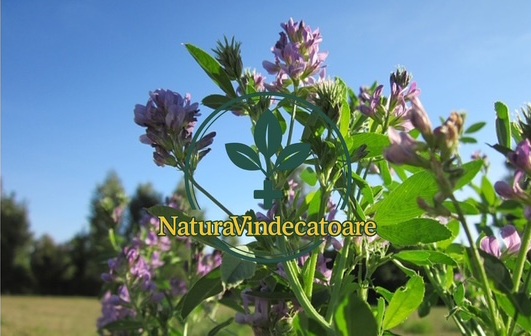
Alfalfa (Medicago sativa) is a perennial leguminous plant cultivated for thousands of years both for fodder and medicinal use. In natural medicine, alfalfa is considered a superfood due to its rich content of proteins, minerals, vitamins, and phytoestrogens. Its leaves are primarily used in the form of infusions, powders, or supplements.
Benefits of Alfalfa
1. Remineralizes Bones and Prevents Osteoporosis
Alfalfa is extremely rich in calcium, magnesium, vitamin K, and silicon—essential elements for maintaining bone density. The high content of natural phytoestrogens helps women in menopause compensate for the lack of estrogen, thus preventing bone loss. Additionally, vitamin K contributes to calcium fixation in bones, reducing the risk of fractures. Studies have shown that a consistent intake of vitamin K2 and calcium from plant sources has a beneficial effect in preventing osteoporosis. Alfalfa is one of the richest plants in these compounds and is recommended in post-fracture recovery regimens.
2. Purifies Blood and Supports Red Blood Cell Regeneration
Due to its high content of chlorophyll, iron, and vitamin C, alfalfa contributes to hemoglobin formation and combats anemia. Chlorophyll has a chemical structure similar to that of hemoglobin, making it effective in blood restoration. Iron is absorbed more easily in the presence of vitamin C, and alfalfa provides both elements naturally. Through this action, the plant is particularly valuable for individuals suffering from chronic fatigue, pallor, or lack of energy. Alfalfa is often used in spring detoxification and revitalization regimens.
3. Regulates Estrogen Levels and Alleviates Menopausal Symptoms
Alfalfa contains isoflavones and coumestans—two plant compounds with effects similar to human estrogen. These phytoestrogens can balance hormonal levels in women, reducing hot flashes, night sweats, and mood swings during menopause. Unlike synthetic hormone therapies, the phytoestrogens in alfalfa have a milder effect and do not increase the risk of breast cancer. Additionally, they support uterine health and may help reduce menstrual pain. Alfalfa is also recommended for adolescents with hormonal imbalances, but only under medical supervision.
4. Detoxifies the Liver and Improves Digestion
Alfalfa contains natural digestive enzymes and fiber that support intestinal transit and stimulate liver functions. It helps eliminate toxins, especially after periods of high-fat diets, alcohol, or medications. The plant also has a mild choleretic effect (stimulating bile secretion), which facilitates fat digestion. Alfalfa can be useful in cases of bloating, indigestion, liver overload, or constipation. Through its detoxifying action, it supports skin health and prevents acne related to liver dysfunction.
5. Lowers Cholesterol and Balances Blood Pressure
Alfalfa contains saponins—substances that reduce cholesterol absorption in the intestines and contribute to its elimination through bile. Studies show that regular consumption of alfalfa can lower LDL cholesterol (bad cholesterol) without affecting HDL cholesterol (good cholesterol). Additionally, alfalfa has mild diuretic effects, which help reduce blood pressure. Regular consumption may lower the risk of atherosclerosis and cardiovascular diseases, making it valuable in heart and circulation diets.
6. Stimulates Lactation in Nursing Women
Alfalfa is a natural galactagogue, meaning it stimulates the production of breast milk. This effect is due to its high content of phytoestrogens and essential minerals such as calcium and magnesium. Additionally, the plant improves the quality of milk, providing valuable nutrients to both mother and child. However, it should be consumed in moderation and under supervision, as it can cause bloating. It is often used in combination with fennel or anise for a synergistic effect.
7. Supports the Immune System
Due to its content of vitamin C, zinc, flavonoids, and chlorophyll, alfalfa has a strong antioxidant effect. These compounds help protect cells against oxidative stress and support the activity of immune cells. Regular consumption of alfalfa may reduce the risk of respiratory infections, viral illnesses, or chronic inflammation. It is often used during convalescence or as an adjunct in chronic autoimmune conditions.
Scientific Studies
Study 1: The Effects of Phytoestrogens from Alfalfa on Menopausal Symptoms
A study published in Phytotherapy Research (2022) evaluated the effects of isoflavones from alfalfa on a group of postmenopausal women. Participants were divided into two groups: one received standardized alfalfa extract, while the other received a placebo for 12 weeks. At the end, women who received alfalfa reported a significant reduction in hot flashes, sleep disturbances, and anxiety. Additionally, a slight increase in lumbar bone density was observed. Researchers concluded that phytoestrogens from alfalfa could be a viable natural alternative to hormone replacement therapy.
Study 2: The Effect of Saponins from Alfalfa on Cholesterol
An experimental study published in Journal of Nutritional Biochemistry (2021) analyzed how saponins extracted from alfalfa influence lipid metabolism. The study was conducted on a group of rats fed a high-fat diet. After 6 weeks, animals that received alfalfa supplements showed over a 30% reduction in LDL cholesterol and triglycerides, without negative changes in liver enzymes. The authors suggested that alfalfa may contribute to reducing the risk of cardiovascular diseases by inhibiting cholesterol absorption and stimulating its excretion.
How to Use
- Infusion: 1 tablespoon of dried leaves in 250 ml of boiling water, infused for 10 minutes, 2-3 cups per day.
- Powder: 1 tablespoon twice a day, with water or yogurt.
- Alfalfa Sprouts: consume in salads, smoothies, or as a garnish, rich in live enzymes.
- Supplements (capsules or extracts): take according to the manufacturer’s or herbalist’s instructions.
Nutritional Table (per 100 g of dried leaves)
| Nutrient | Approximate Amount |
|---|---|
| Protein | 22 g |
| Calcium | 500 mg |
| Iron | 8 mg |
| Magnesium | 190 mg |
| Vitamin K | 870 µg |
| Vitamin C | 14 mg |
| Vitamin A | 12000 IU |
| Chlorophyll | ~1.2 g |
Contraindications
- Contraindicated for individuals with systemic lupus erythematosus (SLE), as it may exacerbate autoimmune symptoms.
- Not recommended during pregnancy without medical advice due to hormonal effects.
- May interact with anticoagulant medications (e.g., warfarin) due to its vitamin K content.
- Excessive consumption may lead to bloating, flatulence, or nausea.
- Raw alfalfa sprouts may contain bacteria (E. coli, Salmonella), so they should be consumed fresh and thoroughly washed.




