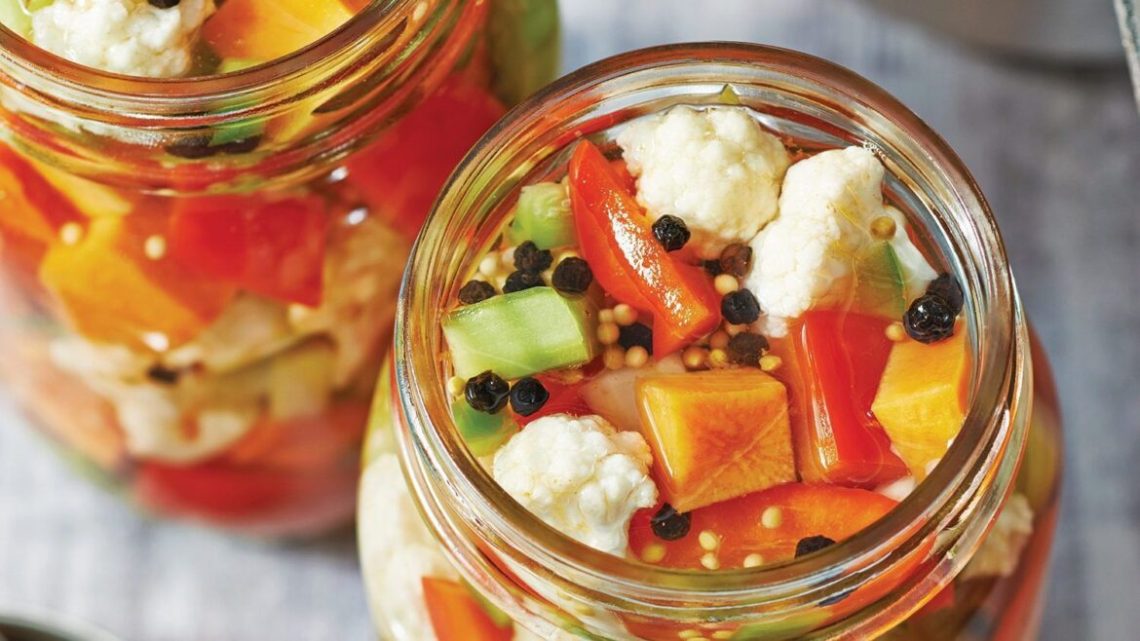
Pickles are not just a tradition on Romanian tables during the cold season; they are a true gift for health. In a time when fermented foods are gaining more and more attention for their benefits, assorted pickles remain an essential preparation. This recipe offers the perfect combination of taste, color, and freshness. With carefully selected vegetables and a balanced brine, the result is spectacular: crunchy, aromatic, and natural, made only with coarse salt. And the health benefits are quick to appear.
Benefits of Consuming Assorted Pickles
1. Supports Intestinal Flora Through Natural Fermentation
Pickles made in brine, without vinegar, rely on a natural lactic fermentation process. This process promotes the development of beneficial bacteria for the digestive tract. Regular consumption can help restore the intestinal flora affected by antibiotics or an unbalanced diet. Lactic bacteria support nutrient absorption and strengthen the immune system. Additionally, this type of fermentation prevents bloating and abdominal discomfort.
2. Improves Digestion and Reduces Constipation
Due to the fiber content in pickled vegetables, intestinal transit is regulated. Fiber helps form normal stools and prevents constipation, especially in the cold season when the diet is poorer in fresh vegetables. Moreover, the enzymes produced during fermentation aid in digesting heavier foods, such as meat or fatty dishes.
3. Contributes to Strengthening the Immune System
Natural fermentation increases the bioavailability of certain vitamins, especially vitamin C and B vitamins. By supporting intestinal flora and maintaining a healthy environment in the digestive tract, pickles provide an effective barrier against pathogens. This is particularly important in winter months when exposure to viruses is higher.
4. Helps Maintain Acid-Base Balance
Even though they have a sour taste, pickles obtained through fermentation contribute to alkalizing the body. This is a surprising but essential characteristic for preventing chronic inflammation. An organism with a slightly alkaline pH is less prone to degenerative diseases and has a greater capacity for cellular regeneration.
5. Supports Skin Health
By improving digestion and eliminating toxins, pickles indirectly contribute to skin health. A healthy digestive tract means fewer toxins entering the bloodstream, which reflects in clearer skin, free from acne or irritations. Additionally, vitamin C supports collagen production and skin elasticity.
6. Aids Natural Detoxification
Fiber, enzymes, and good bacteria from pickles help eliminate toxins from the body. Furthermore, the vegetables used (such as cauliflower, bell peppers, or green tomatoes) are rich in antioxidants. Thus, pickles not only cleanse the colon but also help the liver function more efficiently.
7. Helps Maintain a Balanced Weight
Pickles have a very low caloric content and can be consumed as a snack or alongside other dishes without adding a significant caloric load. Additionally, due to their fiber content, they provide a feeling of fullness. They can replace unhealthy snacks between meals.
8. Enhances the Flavor of Dishes Without Additives
Pickles add a boost of flavor and natural acidity to dishes without the need for sauces or unhealthy additives. Therefore, they can be an ally in reducing salt consumption in other preparations, as they are already slightly salty and sour.
Study: The Effects of Fermented Pickles on Digestive Health
A study published in Frontiers in Microbiology analyzed the impact of regular consumption of fermented foods, including pickles in brine, on intestinal health. Participants who consumed a portion of pickles daily for 10 weeks showed a significant diversification of their intestinal microbiota. A reduction in chronic inflammation at the intestinal level was observed, along with improved digestion and nutrient absorption.
The authors concluded that the lactic bacteria in pickles contribute to maintaining a balance between good and harmful bacteria in the intestine. Furthermore, it was noted that patients with irritable bowel syndrome experienced a reduction in symptoms (bloating, cramps, erratic transit) after regularly introducing pickles into their diet.
Additionally, a positive effect on mood and energy levels was noted. It is believed that this effect is due to the connection between the gut and the brain, highlighting the importance of intestinal flora for mental health.
Traditional Recipe for Assorted Pickles Step by Step
Ingredients:
- Green tomatoes
- Cauliflower
- Bell peppers
- Small cucumbers (for pickling, optional)
- Carrots (cut into sticks)
- Horseradish sticks
- Celery leaves
- Dried dill
- Mustard seeds, peppercorns, bay leaves
- Coarse non-iodized salt – 1 tablespoon heaped for each liter of water
- Sugar – 1 tablespoon for each liter of water
- Water as needed
Preparation:
- Wash all the vegetables. Cut the bell peppers and break the cauliflower into florets. The carrots and horseradish are cut into sticks.
- In clean, sterilized jars, layer all the vegetables alternately. Don’t forget to add dried dill, mustard seeds, peppercorns, bay leaves, and celery leaves.
- Prepare the brine: for each liter of water, add 1 heaped tablespoon of coarse salt and 1 tablespoon of sugar. Boil the liquid until completely dissolved.
- Pour the hot brine into the jars, completely covering the vegetables. Seal with sterilized lids.
- Let them cool at room temperature, then store in a cool, dark place.
How to Consume
Pickles can be served as a side dish to traditional meals, but also in salads, sandwiches, or even as a snack. Ideally, they should be consumed raw, without cooking, to preserve the beneficial bacteria. A moderate portion (50-100g per day) is sufficient to benefit from their properties.
Contraindications
- People with hypertension should consume pickles in moderation due to their salt content.
- They are not recommended in salt-free diets, for severe kidney or heart conditions.
- They may irritate the stomach in cases of gastritis or active ulcers.
- Not suitable for very young children due to sodium content.
- Avoid consumption if the pickles have developed mold, have an unpleasant smell, or are soft and mushy.




