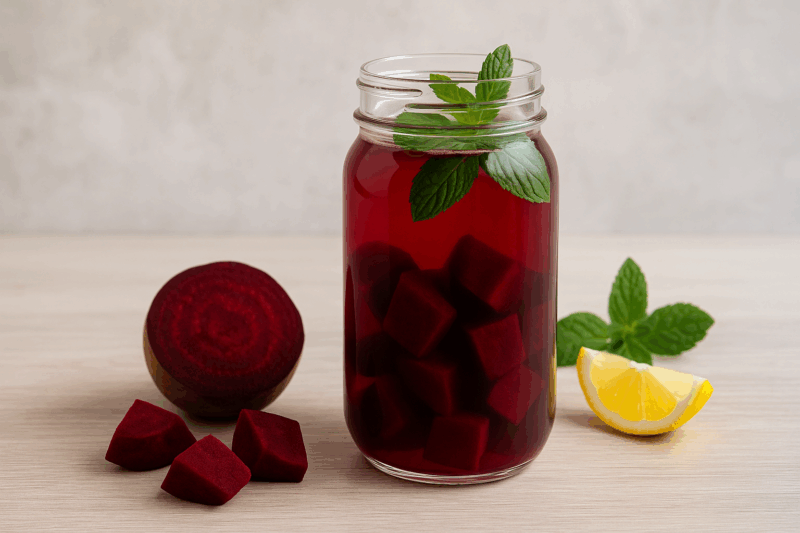
Beetroot water is more than just a drink with an intense color and earthy taste: it is a true elixir for oxygenating the blood and revitalizing the body. This simple beverage, prepared at home from natural ingredients, can support detoxification processes, improve circulation, and increase physical and mental resilience.
Classic Recipe for Beetroot Water
Ingredients:
-
1 medium raw beetroot (preferably organic)
-
1 liter of filtered or still water
-
Juice of 1 lemon (optional)
-
2-3 mint or basil leaves (for flavor, optional)
-
1 tablespoon of honey (optional, if you prefer a sweeter taste)
Preparation Method:
-
Peel the beetroot and cut it into small cubes or thin slices.
-
Place the pieces in a glass jar and pour water over them.
-
Add lemon juice, mint, and honey if desired.
-
Let it steep in the refrigerator for 8-12 hours (ideally overnight).
-
Strain and consume throughout the day.
You can reuse the beetroot for another serving, and then add it to a salad or soup.
Benefits
1. Increases Oxygenation of Cells
Beetroot is rich in natural nitrates, which are converted in the body to nitric oxide. This relaxes blood vessels, improving circulation and increasing oxygen supply to tissues. Better oxygenation supports the proper functioning of the brain, heart, and muscles.
2. Stimulates Energy and Physical Performance
Regular consumption of beetroot water can support the activity of mitochondria, the energy factories of cells. This leads to increased vitality, energy, and endurance. Athletes often consume beetroot juice before training or competitions.
3. Detoxifies the Liver and Blood
Betaine, an active compound in beetroot, helps protect the liver and supports detoxification processes by stimulating bile secretion. Through this mechanism, the body eliminates toxins, heavy metals, and harmful substances more easily.
4. Lowers Blood Pressure
By dilating blood vessels and reducing arterial stiffness, nitric oxide derived from beetroot helps lower blood pressure. The effect can be noticeable even a few hours after consumption, according to several clinical studies.
5. Supports Nervous System Health
The high content of antioxidants and vitamin B9 (folic acid) helps the proper functioning of the nervous system. Beetroot water can support concentration, memory, and mood.
6. Improves Digestion and Gut Health
Soluble fibers and compounds in beetroot stimulate intestinal peristalsis, support beneficial flora, and can reduce inflammation in the digestive tract. Infused water is a gentle way to obtain these benefits without irritating a sensitive stomach.
7. Helps Combat Anemia
Due to its iron and vitamin C content (from lemon, if added), beetroot water can support the formation of red blood cells. It is often recommended as an adjunct in cases of fatigue caused by mild anemia.
8. Balances Blood Sugar Levels (in moderation)
In moderate amounts, beetroot can help regulate blood sugar levels due to its fiber and plant compounds. However, diabetics should consume it with caution and monitor their blood sugar.
Relevant Studies and Research
-
Study published in Hypertension
A study conducted by Queen Mary University of London (2015) showed that beetroot juice significantly reduces systolic and diastolic blood pressure within just a few hours after consumption. The effect was attributed to the conversion of nitrates to nitric oxide, which dilates blood vessels. -
Journal of Applied Physiology
A 2009 study showed that daily administration of beetroot juice for 6 days increased exercise endurance by 16%. Researchers attributed this effect to improved oxygen consumption by cells. -
Research published in Nutrition Journal
It was observed that a single dose of 500 ml of beetroot juice improves cerebral blood flow in older adults, which may have implications for preventing cognitive decline. -
Study in American Journal of Clinical Nutrition
Beetroot is a valuable source of betaine, which has hepatoprotective effects. Participants in the study who consumed betaine showed a significant decrease in homocysteine levels, a marker of vascular inflammation. -
Journal of Redox Biology
It showed that antioxidants in beetroot (especially betalains) have a protective effect against oxidative stress and chronic inflammation, thus contributing to the prevention of cardiovascular and metabolic diseases.
Contraindications and Precautions
-
People with kidney stones (especially calcium oxalate) should limit their consumption, as beetroot is high in oxalates.
-
It may color urine and stool red, a benign effect that may alarm some individuals (beeturia).
-
Diabetics should consume it in moderation and monitor their blood sugar levels.
-
Not recommended for those with severe hypotension, as it may further lower blood pressure.
-
Pregnant women should consult a doctor before consuming beetroot water daily due to its nitrate content.
How to Correctly Consume Beetroot Water
-
Recommended Amount: 1-2 glasses per day (approximately 250-500 ml)
-
Optimal Timing: in the morning, on an empty stomach, or 30 minutes before physical or intellectual activities
-
Duration: 7-14 consecutive days, then a break of one week
-
Alternative Forms: can be combined with lemon water, cucumber, or ginger for synergistic effects




