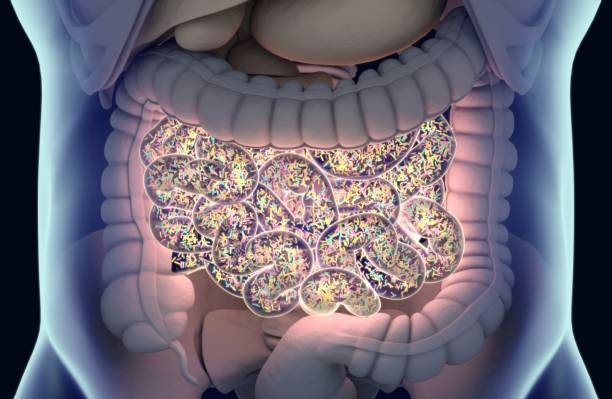
In natural medicine, bitter plants have always been considered true tonics for the digestive system. Among these, one stands out due to its intense taste and profound effects on intestinal flora: wormwood (Artemisia absinthium). Although it is not an easy plant to consume due to its strong bitter taste, wormwood is particularly effective in regulating digestive processes, eliminating toxins, and balancing the intestinal microbiome.
Detailed Benefits for Intestinal Flora and Digestive System
1. Restoring the Balance of Intestinal Flora
Wormwood has a documented antimicrobial effect, which helps reduce pathogenic bacteria and fungi in the intestine (such as Candida albicans), allowing beneficial bacteria to thrive. Active substances, such as thujone, act directly on microbial imbalances.
By reducing the excess of harmful microorganisms, wormwood contributes to creating a more favorable environment for good bacteria, such as Lactobacillus or Bifidobacterium. This balance is essential for proper digestion, increased immunity, and optimal nutrient absorption.
2. Stimulating Digestive Secretions
Consuming wormwood stimulates the production of gastric juices, bile, and pancreatic enzymes. This process is vital for the proper breakdown of food and the prevention of intestinal fermentation, which can lead to bloating and intestinal dysbiosis.
Efficient digestion means a more balanced intestinal transit, fewer toxins, and a reduced risk of chronic inflammation of the intestinal mucosa.
3. Combating Intestinal Parasites
One of the best-documented traditional uses of wormwood is as a natural vermifuge. It helps eliminate intestinal parasites (such as pinworms or roundworms), which can severely affect the balance of flora and the functioning of the digestive system.
Eliminating parasites reduces intestinal inflammation and symptoms such as anal itching, nausea, or loss of appetite.
4. Reducing Intestinal Inflammation
Wormwood has moderate anti-inflammatory properties due to its phenolic compounds and flavonoids. These substances can soothe irritations in the intestinal mucosa, especially in cases of mild colitis or irritable bowel syndrome.
This effect can help reduce abdominal discomfort and normalize transit.
5. Supporting Liver and Intestinal Detoxification
By stimulating bile function, wormwood indirectly contributes to liver cleansing, supporting toxin elimination. This effect also promotes colon health, preventing the accumulation of residues and digestive toxins.
Effective detoxification means a better capacity to absorb essential vitamins and minerals.
Scientific Studies and Research
1. Antimicrobial and Antifungal Effects of Wormwood
A study published in Phytomedicine (2020) showed that the extract of Artemisia absinthium has significant antimicrobial activity against both gram-negative and gram-positive bacteria, including Escherichia coli and Staphylococcus aureus. It also demonstrated antifungal potential against Candida albicans.
The authors concluded that wormwood could be an effective adjunct in intestinal microbial imbalances and in preventing the overgrowth of pathogenic species.
2. Clinical Study on Patients with Ulcerative Colitis
Another study, published in American Journal of Gastroenterology (2007), analyzed the effect of wormwood extract on patients with ulcerative colitis. Those who received wormwood extract for 10 weeks showed a significant reduction in symptoms and were able to reduce their corticosteroid dosage.
The research highlights the systemic and local anti-inflammatory effect of the plant, as well as its potential to balance intestinal flora in chronic inflammatory conditions.
3. Documented Antiparasitic Activity
In a study conducted at Cairo University (2016), wormwood was tested on cultures of Giardia lamblia and Entamoeba histolytica, common intestinal parasites. The results showed significant inhibition of these parasites, with efficacy comparable to allopathic treatments.
These results support the use of wormwood in natural treatments for eliminating intestinal parasites.
Preparation and Consumption Methods
Wormwood Infusion (Most Common Form)
- Ingredients: 1 tablespoon of dried wormwood, 250 ml boiling water
- Preparation Method: Add the plant to boiling water, cover, and let steep for 5-7 minutes.
- Administration: Consume once a day, 15-20 minutes before meals, for a maximum of 7 consecutive days.
The taste is extremely bitter, so it can be consumed with a slice of bread or a few drops of lemon juice to reduce bitterness without sweeteners.
Wormwood Tincture
- Dosage: 15-20 drops in a little water, twice a day, before meals, for a maximum of 10 days.
- Useful for those who cannot tolerate the bitter tea.
Wormwood Capsules or Powder (Controlled Dosage)
Available in health food stores, they offer a convenient and easier-to-administer alternative.
Important Contraindications
Wormwood is a plant with strong effects and should be administered only for short periods and under medical supervision in the case of chronic conditions.
Not recommended in cases of:
- Pregnancy and breastfeeding (risk of miscarriage)
- Hyperacid gastritis and gastric ulcer
- Neurological conditions (epilepsy, mental disorders)
- Treatment with anticoagulants, sedatives, or liver medications
- Children under 12 years old
Excessive consumption can lead to neurological toxicity (tremors, seizures, hallucinations), especially due to the compound thujone. It is not recommended to use it for more than 7-10 consecutive days.




