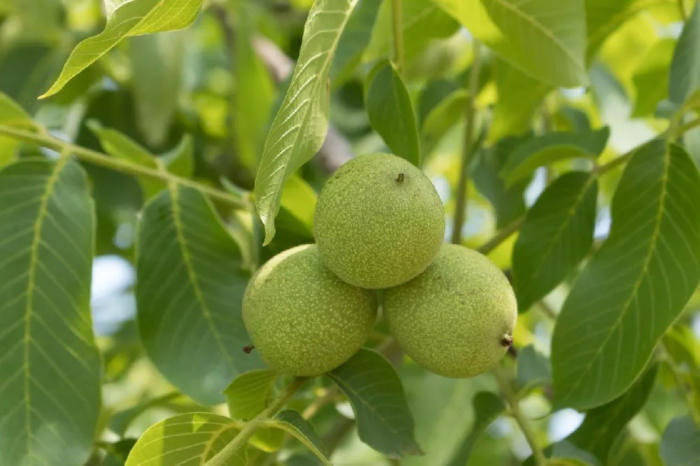
In traditional Romanian medicine, walnut leaves have been used for centuries to treat joint pain and rheumatic inflammation. An almost forgotten yet extremely effective remedy involves boiling these leaves together with coarse salt to create a poultice with rapid anti-inflammatory and soothing effects. This remedy is based on traditional observations and the synergistic use of the antiseptic, detoxifying, and anti-inflammatory properties of the walnut and its leaves. Today, scientific research provides compelling explanations for the effectiveness of these ancient treatments. We will explore in detail how this combination works, what benefits it brings in cases of rheumatism, and how to prepare and apply it correctly.
Detailed Benefits of the Walnut Leaf and Coarse Salt Poultice
1. Reduction of Joint Inflammation
Walnut leaves contain compounds with anti-inflammatory action, especially juglone, tannins, and flavonoids, which help reduce inflammation in the joints. Combined with coarse salt, which stimulates local circulation and promotes the drainage of inflammatory fluids, the poultice becomes a very effective local remedy. The warm application helps relax the muscles around the affected joint, reducing tension and painful spasms. The effects can be felt from the first application, but regular treatments over several days provide visible long-term results. This combination is especially recommended in cases of degenerative rheumatism, arthritis, and gout.
2. Relief of Muscle and Joint Pain
The heat generated by the warm poultice, combined with the chemical action of walnut leaves, acts quickly on pain receptors. Juglone has a mild analgesic effect, while tannins strengthen tissues and reduce painful sensitivity. Coarse salt draws moisture from the tissues and acts as a catalyst in absorbing the active compounds from the walnut leaves. Applying it to the affected areas, especially in the evening, can provide a restful sleep despite chronic pain. This benefit is particularly appreciated by older individuals or those with persistent pain.
3. Local Detoxification of Tissues
Through local sweating stimulated by the heat of the poultice, toxins in the affected area are more easily eliminated through the skin. Walnut leaves have astringent and disinfectant properties, making them useful for removing inflammatory compounds from the application area. Salt helps attract excess water and toxins from the tissues, acting as a natural absorbent. This detoxifying effect helps prevent painful recurrences and supports the natural healing process. Over time, an improvement in joint mobility and a reduction in swelling can be observed.
4. Stimulation of Local Circulation
Both salt and walnut leaves have the ability to stimulate blood flow in the application area. The heat released by the poultice dilates blood vessels, allowing for better oxygenation of the tissues. Thus, the cellular regeneration process is accelerated, and discomfort caused by blood stagnation is reduced. Better circulation also means a greater capacity for the body to deliver nutrients and natural anti-inflammatory substances exactly where they are needed. This contributes to rapid recovery after episodes of acute rheumatism.
5. Improvement of Joint Mobility and Flexibility
By reducing inflammation, detoxifying, and increasing circulation, the poultice with walnut leaves and salt gradually leads to better mobility of the affected joints. Individuals suffering from morning stiffness or difficulties in movement may notice significant improvements after a few days of treatment. It is particularly helpful in combination with other therapies such as physiotherapy, massage, or gentle movement. Walnut leaves strengthen connective tissues, and the warm application allows the joints to lubricate better. Thus, this remedy can become part of an effective and natural recovery program.
Studies and Research
1. Study Published in Iranian Journal of Basic Medical Sciences (2013)
Iranian researchers studied the phytochemical composition of walnut leaves (Juglans regia) and found a high concentration of flavonoids, polyphenols, and compounds with anti-inflammatory activity. In vitro and animal tests showed that walnut leaf extract significantly reduced artificially induced joint inflammation. The anti-inflammatory action was comparable to that of some non-steroidal medications, but without their side effects. The study concluded that walnut leaves have therapeutic potential in chronic inflammatory conditions. These findings support their use in poultice form for rheumatic pain. Flavonoids act by inhibiting pro-inflammatory enzymes such as COX-2, while juglone helps protect tissues. Researchers suggest continuing clinical studies to validate these effects in humans. This study provides a solid foundation for using walnut leaves in local treatments, thus scientifically supporting their traditional use.
2. Review in Journal of Herbal Medicine (2020) on Anti-inflammatory Plants
In a review of medicinal plants with anti-inflammatory effects, Juglans regia was mentioned among the most effective due to its antioxidant compounds and its effect on prostaglandins. The authors specifically mention the external use of the leaves, which has effects comparable to the application of gels or ointments from modern medicinal plants. The study includes a comparative analysis between extracts of leaves and walnut husks and their effects on induced inflammation. The extract’s ability to reduce oxidative stress, an essential component in rheumatic diseases, was also highlighted. Researchers recommend exploring the synergistic use of walnut leaves with salt to enhance osmotic and detoxifying effects. It is emphasized that warm application increases the absorption of active substances through the skin. The results support the idea of poultices as an effective form of local therapy. Traditional use is thus considered justified in the current context. It was concluded that future research should include clinical tests on human subjects with rheumatoid arthritis and osteoarthritis.
Recipe and Application Method
Ingredients:
- 10-15 fresh walnut leaves (or 2 tablespoons of dried leaves)
- 1 large tablespoon of coarse salt (non-iodized)
- 500 ml of water
Preparation Method:
- Boil the walnut leaves together with the coarse salt in 500 ml of water for 10-15 minutes.
- Remove the leaves and place them on a clean gauze, forming an even layer.
- When they have cooled slightly, apply the warm poultice to the painful joint.
- Cover with plastic wrap and then with a thick scarf or blanket to retain heat.
- Leave it to act for 30-60 minutes, once a day, for a minimum of 7 days.
Contraindications and Precautions
- Individuals with sensitive skin may experience mild irritation; it is recommended to test on a small area first.
- Do not apply to open wounds, ulcers, or acutely inflamed skin.
- Pregnant women should avoid application in the lumbar area without medical advice.
- Not recommended in case of known allergy to walnut leaves.
- Avoid excessive use (more than 2 applications daily), as tannins can dry the skin.
Sources:
- Iranian Journal of Basic Medical Sciences: Anti-inflammatory effect of Juglans regia leaf extract on experimental arthritis
- Journal of Herbal Medicine: A review of medicinal plants with anti-inflammatory properties
- Medicinal Plants of Romania: Ovidiu Bojor




