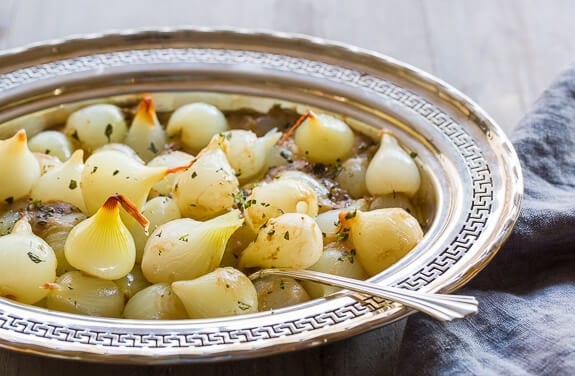
Boiled yellow onion is one of those simple remedies with surprising effects that Romanian folk medicine has passed down from generation to generation. In the past, it was used not only as food but also as an emergency treatment for colds, sore throats, coughs, or digestive issues. Boiling the onion transforms the active compounds into more easily absorbable forms, and the water in which it was boiled becomes a tonic, soothing, and invigorating brew for the body. Nowadays, modern studies confirm many of these benefits, scientifically explaining what the elders intuitively knew. This simple brew can be used as an adjunct in various ailments, with the necessary precautions.
Benefits
1. Supports immunity and protects against infections
Boiled yellow onion releases quercetin and sulfur compounds into the water, substances known for their antimicrobial and antiviral effects. Consuming this preparation helps the body fight more effectively against respiratory viruses and bacteria. Studies have shown that quercetin can reduce the replication of certain viruses and diminish inflammation caused by infections. In the cold season, a cup of boiled onion water can become a beneficial routine for prevention. Although it does not replace treatments prescribed by a doctor, it can support the body in the healing process.
2. Alleviates cough and sore throat
The brew obtained from boiled yellow onion acts as a natural expectorant, thinning mucus and facilitating its elimination. The aromatic compounds in the onion soothe the irritation of the mucous membranes and reduce the burning sensation in the throat. Additionally, the mild antibacterial effect contributes to lowering the risk of a simple irritation evolving into more serious infections. It is suitable for both dry and productive coughs when consumed warm. In folk tradition, this remedy was often combined with a bit of honey after boiling.
3. Aids in detoxifying the body
Due to its content of antioxidants and sulfur compounds, boiled onion can stimulate the liver in the process of neutralizing toxins. The water resulting from boiling supports the elimination of harmful substances through the kidneys, having a mild diuretic effect. This can help reduce water retention and improve blood circulation. Gentle detoxification also supports the skin, giving it a cleaner and brighter appearance. The effect is especially visible if the preparation is consumed for several consecutive days.
4. Reduces joint inflammation
Quercetin and other antioxidants in boiled onion act on inflammatory mediators in the body, reducing pain and joint stiffness. People with rheumatism or arthritis may notice an improvement in discomfort if they regularly consume this brew. Boiling releases substances that act as natural anti-inflammatories. Additionally, extra hydration helps maintain joint lubrication. Although the effects are moderate, combined with a healthy diet, they can contribute to a more comfortable lifestyle.
5. Supports digestive health
Onion contains prebiotic fibers that nourish beneficial bacteria in the gut. When boiled, some fibers become easier to tolerate, making the brew gentler on a sensitive stomach. It can stimulate digestive secretions and ease the digestion of heavier foods. Additionally, the water and mineral content helps hydrate the digestive mucosa. In folk medicine, boiled onion was recommended for mild bloating or abdominal discomfort.
6. Contributes to regulating blood pressure
Boiled onion retains compounds that promote the relaxation of blood vessels and improve circulation. Regular consumption can support the reduction of blood pressure values, especially in mild cases. This effect is associated with the presence of allicin and other sulfur compounds. Additionally, the diuretic effect helps eliminate excess sodium from the body. However, it is important for individuals with very low blood pressure to avoid excess.
7. Improves bone health
Onion contains compounds that can reduce bone mass loss, especially in women during postmenopause. Minerals such as calcium, magnesium, and potassium in boiled onion support skeletal strength. Consistent consumption can help reduce the risk of osteoporosis. Combined with a diet rich in vitamin D and physical exercise, the effects are even more visible. Folk medicine considers onion a nourishing food not only for bones but also for the entire body.
8. Supports skin health
The antioxidants and vitamin C in boiled onion support collagen production and protect the skin against free radicals. Regular consumption can improve skin elasticity and reduce skin inflammation. The cooled boiled onion water was also used externally to rinse irritated skin. The hydrating and soothing effects are due to the combination of minerals and phenolic compounds. Additionally, better blood circulation helps the skin receive more nutrients.
Recipe: Boiled Yellow Onion
Ingredients
-
3 medium yellow onions (ideally organic, well washed)
-
500 ml of still water
-
optional: 1-2 tablespoons of honey (only after the liquid has cooled below 40°C)
Step-by-step preparation
-
Wash the onions well, and if they are organic, you can boil them with the skins to preserve the antioxidants in the outer layer.
-
Cut them in half or quarters to release the active substances more quickly into the water.
-
Place them in a stainless steel or ceramic pot, adding the 500 ml of water.
-
Boil on low heat for 45-60 minutes, until the water takes on a golden-yellow color and a pleasant cooked onion aroma.
-
Strain the liquid and let it cool slightly.
-
If desired, add honey for sweetness, but only after the temperature drops below 40°C to preserve the enzymes in the honey.
-
Consume warm, about 1 cup, preferably in the evening or at the onset of a cold.
Storage:
-
In the refrigerator, in a glass container, it lasts for 24 hours.
-
Daily preparation is recommended to benefit from all the active compounds.
Contraindications
- Individuals with severe gastritis, ulcers, or irritable bowel syndrome may experience digestive discomfort after consumption.
- Those with hypotension should consume with caution, as it may further lower blood pressure.
- Patients undergoing treatment with anticoagulants should consult a doctor before use.
- In small children and pregnant women, consumption should be occasional and in small quantities.
- Avoid consumption in case of allergy to onions or related compounds.
Nutritional Table (100 g raw yellow onion)
| Nutrient | Amount |
|---|---|
| Calories | 40 kcal |
| Carbohydrates | 9.3 g |
| Fiber | 1.7 g |
| Protein | 1.1 g |
| Fat | 0.1 g |
| Vitamin C | 7.4 mg |
| Potassium | 146 mg |
| Calcium | 23 mg |
| Magnesium | 10 mg |
| Iron | 0.2 mg |




