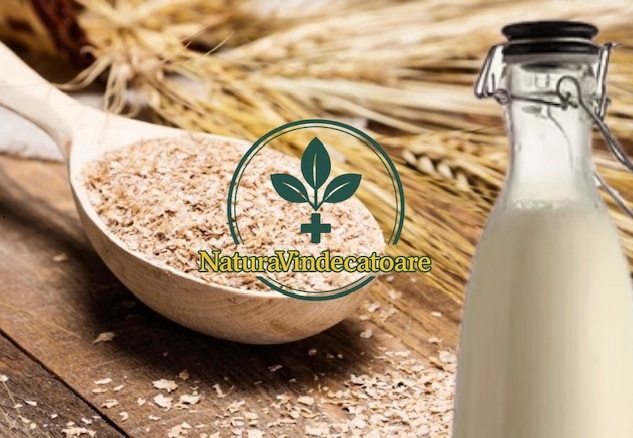
Boiling wheat bran with milk is an old, simple, and nutritious recipe used for generations to strengthen the body and provide a balanced intake of fiber, protein, and essential minerals. Wheat bran, obtained from the outer layer of cereal grains, is a valuable source of B vitamins, iron, magnesium, and natural antioxidants, while milk adds calcium, complete proteins, and beneficial fats. When combined through boiling, these two ingredients transform into a creamy and comforting beverage that supports digestion, daily energy, and bone health.
Nutritional Table (per 250 ml serving)
| Nutrient | Approximate Amount |
|---|---|
| Calories | 150 kcal |
| Protein | 8 g |
| Fats | 6 g |
| Carbohydrates | 18 g |
| Dietary Fiber | 4 g |
| Calcium | 220 mg |
| Magnesium | 50 mg |
| Iron | 1.4 mg |
| Vitamin B1 | 0.18 mg |
| Vitamin B2 | 0.22 mg |
| Phosphorus | 180 mg |
8 Benefits of Boiled Wheat Bran with Milk
1. Improved Digestion
Wheat bran is rich in insoluble fiber that stimulates intestinal transit, preventing constipation and abdominal discomfort. Boiling it in milk softens its texture, making it easier to digest and more stomach-friendly. The fibers attract water and form a soft gel, which helps in the elimination of food residues. Milk, with its lactose content, gently stimulates beneficial intestinal flora. Regular consumption can contribute to more efficient digestion and maintaining a balanced intestinal microbiome.
2. Increased Energy Levels
This beverage provides complex carbohydrates from wheat and lactose from milk, releasing energy gradually throughout the day. The proteins in milk support the maintenance of muscle mass, contributing to strength and physical endurance. The B vitamins from wheat participate in energy metabolism, transforming nutrients into fuel for cells. Additionally, the combination of magnesium and calcium supports the proper functioning of the nervous system, reducing fatigue. It is an excellent option for a hearty breakfast or an energizing snack.
3. Bone and Dental Health
Milk is a well-known source of calcium, while wheat bran contains magnesium and phosphorus, minerals that help in calcium fixation in bones. This combination supports bone mineral density and prevents demineralization, especially in older adults or postmenopausal women. Magnesium contributes to the formation of bone collagen, while phosphorus ensures the structure and strength of bones. Regular consumption can reduce the risk of osteoporosis and fractures.
4. Heart Health Support
The fibers in wheat help reduce LDL cholesterol levels, preventing its deposition on arterial walls. Magnesium regulates heart rhythm and blood pressure, while potassium from milk supports hydroelectrolytic balance. Studies have shown that high-fiber diets reduce the incidence of cardiovascular diseases. Additionally, dairy proteins have beneficial effects on the elasticity of blood vessels.
5. Weight Control
Due to its fiber content, this beverage provides a long-lasting feeling of satiety, reducing hunger and overall caloric intake. Complex carbohydrates digest slowly, avoiding sharp increases in blood sugar and insulin levels. The proteins in milk help maintain muscle mass, which aids in a more active metabolism. Consuming this beverage in the morning can be beneficial in weight loss plans.
6. Skin Health Support
B vitamins, zinc, and antioxidants from wheat help in cellular regeneration and maintaining healthy skin. Milk contains amino acids and beneficial fats that hydrate the skin from within. The combination of these two ingredients can help reduce skin dryness and even out skin tone. Additionally, the antioxidant protection helps combat the effects of free radicals, slowing down the aging process.
7. Improved Nervous Function
The B vitamin complex, especially B1, B2, and B6, plays an essential role in brain and nerve function. Magnesium reduces excessive neuronal excitability, preventing cramps and muscle spasms. Milk, with its tryptophan content, can contribute to more restful sleep and mood regulation. Regular consumption can be beneficial during periods of stress and mental fatigue.
8. Detoxification of the Body
The insoluble fibers in wheat act as an intestinal broom, eliminating toxins and metabolic residues. Milk provides a liquid base that is easy to assimilate, helping to hydrate the body. This combination promotes the elimination of harmful substances and maintains a healthy liver. Regular intestinal transit supports the body’s natural detoxification function.
Studies and Research
Study 1 – Effects of Wheat Bran on Digestive Health
Published in Journal of Nutrition (2020), the study followed 300 participants with various intestinal transit disorders. They consumed 20 g of wheat bran daily, and the results showed a significant improvement in intestinal regularity and a reduction in constipation in over 80% of cases. Researchers explained that insoluble fibers attract water in the intestine and increase stool volume, stimulating peristalsis. Additionally, a reduction in bloating and abdominal discomfort was observed. This study confirms the beneficial effects of wheat bran when integrated into a balanced diet.
Study 2 – The Role of Calcium and Magnesium in Bone Health
A study published in Osteoporosis International (2021) analyzed the impact of the calcium-magnesium combination on bone density in postmenopausal women. Participants received a diet enriched with dairy and whole grains, and after 12 months, a 5% increase in bone density was observed compared to the control group. Researchers explained that magnesium plays a crucial role in activating vitamin D, which allows for the efficient absorption of calcium. The study emphasizes the importance of combining food sources to prevent osteoporosis.
Authentic Recipe
Ingredients:
-
500 ml fresh milk (cow or goat)
-
2 tablespoons clean wheat bran
-
Honey or natural sweetener (optional)
Preparation Method:
-
Put the milk to boil in a pot with a thick bottom.
-
When it starts to boil, add the wheat bran and stir continuously.
-
Boil on low heat for 10-15 minutes until the liquid takes on a creamy texture.
-
Remove from heat and let it cool slightly.
-
Sweeten with honey to taste and consume warm.
Consumption Method
It is recommended to consume this beverage in the morning on an empty stomach or as a snack between meals. It can be included in strengthening diets, during recovery periods, or in children’s nutrition, with the doctor’s approval.
Contraindications
-
Individuals with lactose intolerance should use lactose-free milk.
-
In case of celiac disease, gluten-free wheat bran (certified oats) should be used.
-
Excess fiber can cause abdominal discomfort and diarrhea.
-
Individuals with kidney diseases should limit phosphorus intake.
-
Diabetics should monitor the amount of sweetener used.
Sources
-
Journal of Nutrition – Effects of Wheat Bran on Bowel Function in Adults
-
Osteoporosis International – Synergistic Effects of Calcium and Magnesium on Bone Health




