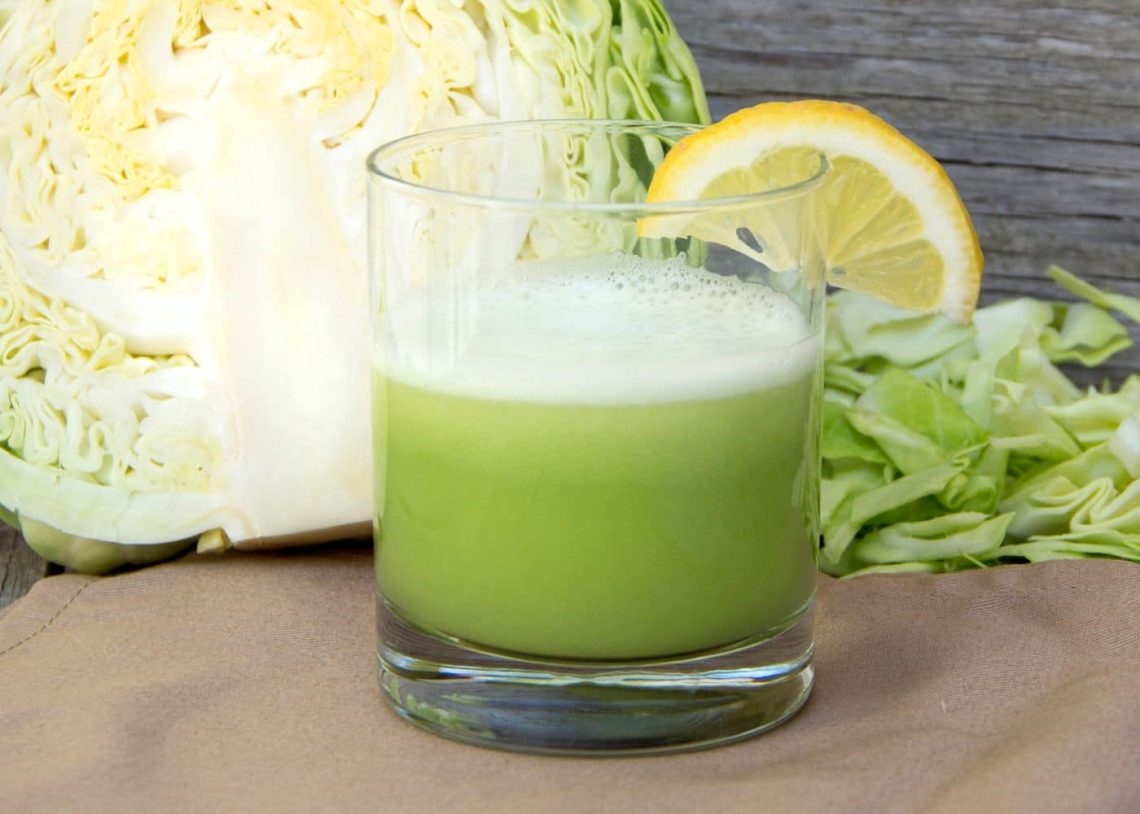
Cabbage is one of the oldest vegetables cultivated by humans and a traditional remedy appreciated in many cultures. When transformed into juice, it becomes a true natural elixir, rich in enzymes, vitamins, and minerals, with much higher bioavailability than in its raw form. Modern doctors and researchers have confirmed in recent decades what folk medicine has known for a long time: cabbage juice has remarkable health properties, from supporting digestion to protecting cells. In this article, you will find a simple recipe, the correct way to consume it, demonstrated benefits, reference studies, contraindications, and a nutritional table.
Recipe for Cabbage Juice
Ingredients:
-
1 fresh, healthy white cabbage with green leaves
-
1 glass of plain water (optional, for dilution)
Preparation Method:
-
Wash the cabbage well and detach the leaves.
-
Cut the leaves into smaller pieces.
-
Put them in a juicer or blender (if using a blender, add a little water and strain at the end).
-
Consume immediately after preparation to preserve the active enzymes.
How to Consume
-
The recommended dose is 150-200 ml of juice, in the morning on an empty stomach.
-
For an effective cleanse, consume daily for 2-3 weeks.
-
It can be combined with carrot, celery, or cucumber juice for a more pleasant taste and a complex effect.
-
It is advisable to start with a small amount (50-100 ml) to allow the body to adapt.
Major Benefits of Cabbage Juice
1. Supports stomach health and digestive mucosa
Cabbage juice is rich in glutamine, an amino acid that helps regenerate the gastric mucosa. Research has shown that people who consume this juice have a lower risk of developing gastric lesions. The active substances reduce inflammation and create a natural protective layer. Regular consumption can soothe gastric burns and discomfort after meals. Additionally, the juice stimulates the secretion of protective mucus in the stomach.
2. Improves detoxification of the body
Cabbage contains sulfur compounds and vitamin C, which stimulate the liver in the detoxification process. These compounds activate liver enzymes, facilitating the elimination of toxins. Cabbage juice helps neutralize harmful substances accumulated in the body. Through its mild diuretic effect, it also contributes to the elimination of excess water. Thus, the detoxification supported is gentle and natural.
3. Strengthens immunity
Due to its high content of vitamin C and antioxidants, cabbage juice nourishes the immune system. Regular consumption helps the body respond better to viral and bacterial infections. The polyphenols in cabbage reduce oxidative stress and protect white blood cells. Additionally, soluble fibers support the health of the intestinal microbiome, which plays a crucial role in immunity. Thus, the juice becomes a reliable ally in the cold season.
4. Supports heart and blood vessel health
Cabbage juice provides potassium, an essential mineral for regulating blood pressure. The anthocyanins in red cabbage (and in white cabbage, in smaller amounts) reduce the risk of vascular inflammation. Consistent consumption can contribute to lowering bad cholesterol (LDL). With its fiber and antioxidant content, it reduces the formation of atheromatous plaques. In this way, it protects the heart in the long term.
5. Contributes to skin health
Cabbage juice is rich in vitamins A, C, and K, which support skin regeneration. The antioxidants in its composition reduce the effects of free radicals responsible for premature aging. Regular consumption helps maintain elasticity and reduce skin inflammation. Moreover, the intense hydration provided by cabbage juice supports a healthy and radiant complexion. In some cases, it is also used externally for soothing compresses.
6. Aids in weight control
Cabbage juice is very low in calories but has a high nutritional density. The fibers it contains quickly induce a feeling of fullness, reducing appetite. Regular consumption can support metabolism through the intake of B vitamins. Additionally, its mild diuretic effect helps eliminate excess fluids. Thus, it is a valuable support in weight loss diets.
7. Maintains bone and joint health
Due to its vitamin K content, cabbage juice contributes to bone mineralization. This vitamin plays a key role in calcium fixation in bone tissue. Additionally, antioxidants reduce inflammation that can affect the joints. Studies suggest that regular consumption supports the prevention of osteoporosis. The juice thus becomes an important ally for the elderly.
8. Balances blood sugar levels
The bioactive compounds in cabbage can help maintain blood sugar levels within normal limits. The fibers slow down glucose absorption in the blood, reducing spikes in blood sugar. Some studies have shown an improvement in insulin sensitivity after consuming cabbage juice. Additionally, antioxidants reduce inflammation associated with insulin resistance. Thus, it is a natural aid for people at risk of diabetes.
Relevant Scientific Studies
A study published in the Journal of Clinical Nutrition analyzed the effects of cabbage juice on gastric ulcers. The results showed that patients who consumed 1 liter of fresh juice daily for 10 days had a much faster healing than those who followed standard treatments. Researchers attributed this effect to the glutamine content and the factor vitamin U (a derivative of methionine).
Another study conducted at the University of Massachusetts highlighted the role of sulforaphane in cabbage in protecting against gastric cancer. It was found that this compound inhibits the development of the Helicobacter pylori bacteria, responsible for many cases of ulcers and gastritis.
A study conducted in Poland showed that both fermented cabbage juice (sauerkraut) and fresh cabbage juice reduce LDL cholesterol and triglyceride levels. The effects were observed after 6 weeks of regular consumption.
Another clinical trial on patients with type 2 diabetes showed that cabbage juice lowers blood sugar levels and improves insulin sensitivity. The explanation is given by the phenolic compounds and the fiber content.
In conclusion, most studies confirm that cabbage juice is a natural remedy with real and measurable effects, scientifically supported.
Contraindications
-
People with hypothyroidism should consume with caution, as cabbage contains goitrogens.
-
In case of irritable bowel syndrome or predisposition to bloating, gradual introduction is recommended.
-
Excessive consumption during pregnancy or breastfeeding is not recommended without medical advice.
-
It may interact with anticoagulant treatments due to its vitamin K content.
Nutritional Table (100 g raw cabbage)
| Nutrient | Approximate Amount |
|---|---|
| Calories | 25 kcal |
| Carbohydrates | 6 g |
| Fiber | 2.5 g |
| Protein | 1.3 g |
| Vitamin C | 36 mg (60% DV) |
| Vitamin K | 76 g (90% DV) |
| Folate (B9) | 43 g |
| Potassium | 170 mg |
| Calcium | 40 mg |
| Magnesium | 12 mg |
Cabbage juice is not just a healthy drink but a true natural treatment for the entire body. Whether consumed in regular cleanses or occasionally, it supports digestion, detoxification, immunity, and overall health. With a simple and accessible recipe, it can become a beneficial daily habit for the whole family.




