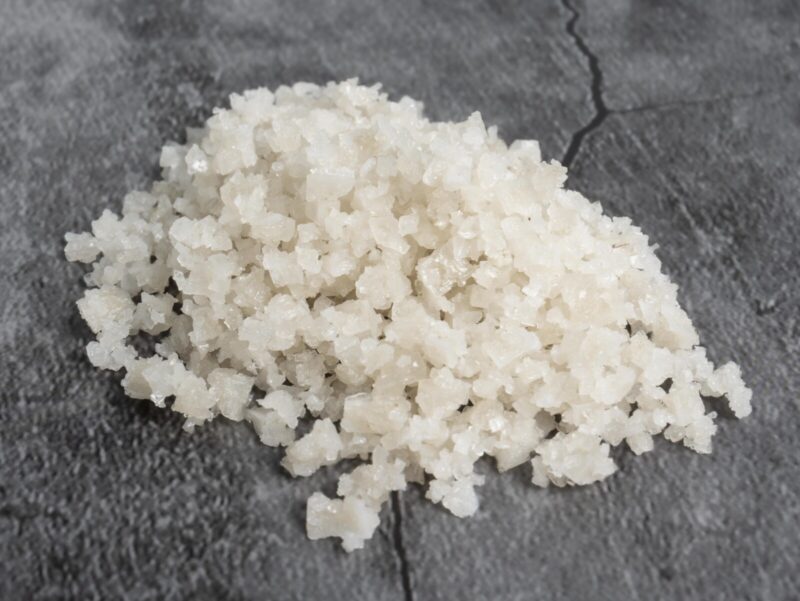
Sourced from the coastal regions of France, particularly Brittany, Celtic salt, also known as Celtic Sea Salt, is an unrefined type of salt harvested by hand. Unlike refined table salt, it is naturally dried by the sun and wind, retaining a high content of essential minerals and trace elements beneficial for the body. Its slightly moist texture and gray color make it distinct, appreciated for both its unique flavor and nutritional value.
Nutritional Composition
Celtic salt contains over 80 minerals and trace elements, the most important of which include magnesium, calcium, potassium, zinc, iron, manganese, and iodine in natural quantities.
Nutritional Table (100 g of Celtic Salt)
| Component | Approximate Quantity |
|---|---|
| Sodium | 33 – 35 g |
| Chlorides | 50 – 55 g |
| Magnesium | 0.5 – 1 g |
| Calcium | 0.1 – 0.3 g |
| Potassium | 0.1 – 0.3 g |
| Zinc | 0.01 – 0.05 g |
| Iron | 0.01 – 0.03 g |
| Trace Elements | traces (Cu, Mn, Se) |
| Water (moisture) | 10 – 15% |
Benefits
1. Electrolytic Balance of the Body
Celtic salt provides sodium and potassium, essential for regulating blood pressure and cellular hydration. This balance contributes to the proper functioning of the heart and muscles. Unlike refined salt, it does not cause drastic sodium imbalances, as it contains minerals that mitigate negative effects on blood pressure. Moderate consumption helps maintain normal water metabolism and reduces the risk of muscle cramps.
2. Improved Digestion
The minerals in Celtic salt stimulate the production of gastric acid, aiding in the digestion of proteins and the absorption of vitamins. Proper consumption can prevent bloating and abdominal discomfort. Additionally, it stimulates the secretion of digestive enzymes, enhancing food processing. It is also used in natural rehydration drinks for athletes, helping to quickly restore electrolytes.
3. Support for Thyroid Health
Celtic salt contains iodine in its natural form, necessary for the proper functioning of the thyroid. Iodine deficiency can lead to hypothyroidism and chronic fatigue. The natural iodine in Celtic salt is better absorbed compared to artificially added iodine in iodized salt. However, intake should be moderate to prevent hormonal imbalances.
4. Magnesium Source for the Nervous System
The magnesium in Celtic salt contributes to the relaxation of the nervous system and muscles. It is essential for reducing stress and insomnia. A lack of this mineral can lead to anxiety and fatigue. With balanced intake, Celtic salt helps maintain calmness and restful sleep.
5. Detoxification and Acid-Base Balance
Due to its alkaline minerals like magnesium and calcium, Celtic salt supports the balancing of the body’s pH. An acidified body is prone to inflammation and chronic diseases. Regular and moderate consumption helps eliminate toxins and reduce inflammation. It is often used in detoxifying baths, which remineralize and cleanse the skin.
6. Improved Nutrient Absorption
The minerals in Celtic salt stimulate healthy intestinal permeability, promoting the absorption of vitamins and minerals from food. This effect directly impacts energy and immunity. Individuals with mineral deficiencies may benefit from additional intake of Celtic salt. Combined with a varied diet, it contributes to more complete nutrition.
7. Support for Skin Health
Celtic salt is used externally in baths and scrubs for the skin. Its minerals help remineralize the epidermis and reduce irritation. It is effective against acne, eczema, and dry skin. Regular use in natural cosmetics leaves the skin softer and revitalized.
8. Energy and Vitality
By providing essential minerals, Celtic salt supports the proper functioning of cells. A balanced diet that includes it can combat chronic fatigue. It contributes to better cellular oxygenation and maintains optimal circulation. It is often recommended for athletes for rehydration and recovery after intense effort.
Studies and Research
-
Study published in Journal of Applied Physiology
This study analyzed how unrefined natural salts influence hydration and electrolyte balance. Researchers found that athletes who consumed water with Celtic salt showed better fluid retention compared to those who used refined salt. The results indicated a reduction in muscle cramps and faster recovery after exertion. The authors concluded that the additional minerals play an essential role in optimal rehydration. -
Study conducted by the University of Nantes, France
Researchers analyzed the composition of Celtic salt and confirmed the presence of over 80 trace elements. They demonstrated that the bioavailability of minerals from natural salt is higher than that of synthetic supplements. The study suggested that using this salt can help prevent mild mineral deficiencies. However, they cautioned that excessive consumption remains harmful, even in the case of natural salt.
Contraindications
-
High Blood Pressure – Even though it is more balanced than refined salt, excessive consumption can increase blood pressure.
-
Kidney Conditions – High sodium intake can overstrain the kidneys.
-
Thyroid Issues – Individuals with hyperthyroidism should avoid high iodine intake.
-
Water Retention – Excess can promote edema.
-
Pregnant or Nursing Women – Consumption should be medically regulated.
Celtic salt is a valuable natural product that offers multiple benefits when consumed in moderate quantities. It contains essential minerals for the body’s balance and has various uses in both nutrition and cosmetics. However, like any type of salt, excess can be harmful, so moderation is recommended.
Sources
-
Healthline Celtic Sea Salt: Benefits and Uses
-
Medical News Today The truth about different types of salt
-
Journal of Applied Physiology Electrolyte balance and hydration in athletes
-
University of Nantes Comparative analysis of refined and unrefined sea salts




