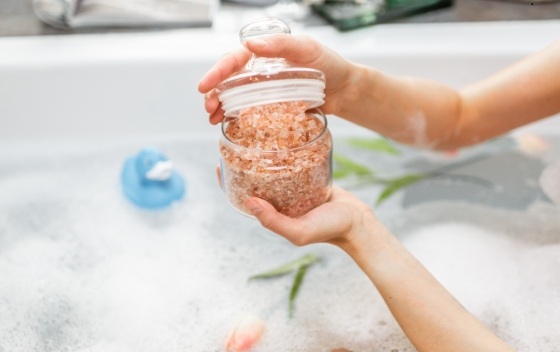
Bitter salt, also known as magnesium sulfate or Epsom salt, is a mineral with remarkable therapeutic properties, used for centuries in both folk medicine and modern wellness treatments. When added to bathwater, it can transform a simple relaxation into a therapy for skin, muscles, and circulation. In addition to the pleasant sensation it provides to the body, bitter salt is recognized for its ability to deliver magnesium and sulfur through the skin, having visible and rapid effects.
Benefits for Skin and Circulation
1. Stimulates Blood Circulation
A bath with bitter salt helps to dilate blood vessels, improving blood flow throughout the body. This effect is especially beneficial for individuals suffering from cold feet or numbness. The magnesium in the salt contributes to the relaxation of vascular walls, reducing local blood pressure. Additionally, improved circulation accelerates the elimination of toxins from tissues. Regular use can also help prevent problems caused by poor circulation, such as varicose veins.
2. Hydrates and Softens the Skin
Bitter salt attracts and retains water in the outer layer of the skin, preventing dryness. After a bath with Epsom salt, the skin becomes smoother and softer. The sulfur present in its composition aids in the regeneration of epidermal cells. It also reduces the rough appearance caused by flaking or sun exposure. The hydrating effect is particularly useful in cold seasons when the skin loses moisture more easily.
3. Calms Skin Inflammations
Due to its magnesium content, bitter salt has anti-inflammatory effects, being useful in conditions like dermatitis, eczema, or psoriasis. A bath with Epsom salt reduces redness and the sensation of itching. Sulfate helps eliminate impurities from pores, preventing infections. Moreover, warm water with bitter salt promotes the healing of micro-injuries to the skin. Individuals with inflammatory skin conditions often report relief after 2-3 baths per week.
4. Detoxifies the Body
Through the process of osmosis, bitter salt helps eliminate toxins from the body through the skin. This internal cleansing reduces the burden on the lymphatic system. Detoxification helps prevent inflammation and fluid retention. A cleaner body metabolizes nutrients more efficiently. Additionally, regular detoxification can contribute to healthier and more radiant skin.
5. Alleviates Muscle Pain
The magnesium in the salt relaxes contracted muscle fibers and reduces stiffness. It is a natural remedy for cramps that occur after intense physical exertion. A bath with bitter salt accelerates muscle recovery after workouts. It can also be helpful for pain caused by arthritis or rheumatism. The relaxing effect is felt both physically and mentally.
6. Improves Skin Elasticity
Bitter salt helps maintain collagen in the skin, thus preventing the loss of firmness. Magnesium supports the normal functioning of fibroblasts, the cells responsible for producing collagen and elastin. When used regularly, it contributes to reducing the appearance of stretch marks and delaying the onset of wrinkles. Warm water with salt opens the pores, allowing minerals to penetrate deeply. This effect combines perfectly with gentle massage to stimulate elasticity.
7. Reduces Swelling and Water Retention
Bitter salt has an osmotic effect, drawing excess fluids from tissues. It is very helpful in cases of swollen feet or edema. This effect is beneficial for individuals who stand for long periods or, conversely, sit for extended times. By reducing water retention, the skin takes on a more even appearance. Regular use can also contribute to alleviating cellulite.
8. Supports Foot Health
A warm bath with bitter salt for the feet can prevent the appearance of fungi and unpleasant odors. Sulfate has antifungal effects, destroying fungi that affect the skin. Magnesium reduces foot fatigue after prolonged walking. Improved circulation in the foot area aids in tissue regeneration. Additionally, the skin of the feet becomes softer and easier to care for.
Studies and Research
A study conducted by University of Birmingham (2017) evaluated the transdermal absorption of magnesium from Epsom salt baths. Participants who took baths for 12 minutes with a 1% magnesium sulfate concentration showed increased magnesium levels in the blood after 7 consecutive days. Researchers concluded that bathing with bitter salt can be an effective method of magnesium supplementation, especially for individuals with deficiencies.
Another study published in the Journal of Clinical Medicine (2020) analyzed the effects of Epsom salt baths on patients with psoriasis. After 3 weeks of treatment, most patients reported reduced itching, redness, and an improvement in skin appearance. The authors suggested that the beneficial effects are due to both the anti-inflammatory properties and the hydrating capacity of magnesium sulfate.
Research from the International Journal of Sports Medicine (2018) showed that Epsom salt baths after intense workouts reduce muscle pain and accelerate recovery. The group that used bitter salt reported a 30% decrease in the sensation of muscle fatigue compared to the control group. Magnesium plays a crucial role in muscle relaxation and regulating contractions.
Contraindications
- Individuals with kidney insufficiency should not take frequent baths with bitter salt, as magnesium can accumulate in the body.
- Pregnant women should consult a doctor before using bitter salt in baths.
- Not recommended in cases of open wounds, burns, or severe skin infections.
- Individuals with very low blood pressure may experience dizziness due to vasodilation.
- Avoid accidental ingestion of water with bitter salt, as it has a strong laxative effect.
Sources
- University of Birmingham – Transdermal magnesium absorption from Epsom salt baths
- Journal of Clinical Medicine – Effects of Magnesium Sulfate Baths in Psoriasis Management
- International Journal of Sports Medicine – Magnesium sulfate baths in post-exercise recovery




