A simple tea, but with powerful effects on digestion and blood sugar, has begun to attract increasing attention among nutritionists. This is the infusion made from fenugreek seeds (Trigonella foenum-graecum), an ancient remedy used in traditional Indian medicine, now supported by solid scientific research. This preparation is easy to make at home and can become an important ally for metabolic health.
Benefits of Fenugreek Tea
1. Accelerates Digestion and Prevents Bloating
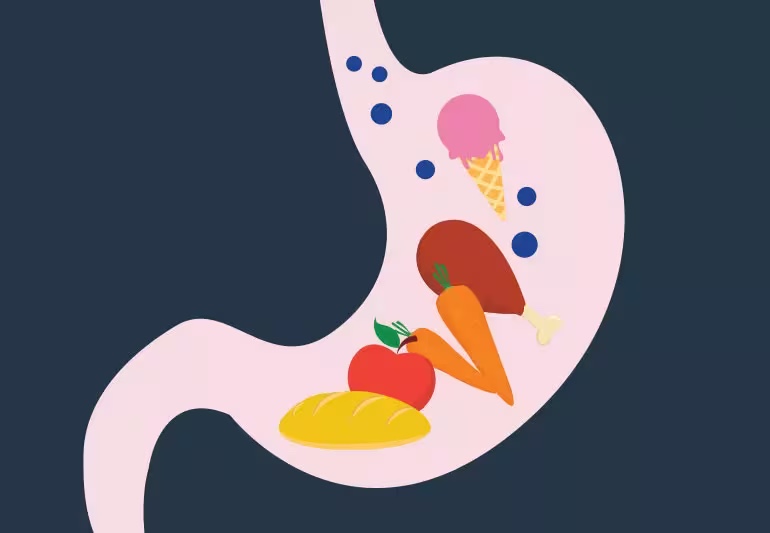
Fenugreek seeds contain soluble fibers that form a gel in the stomach, promoting digestion. This gel slows down gastric emptying, allowing for a more complete digestion of food. Additionally, the bitter compounds in the seeds stimulate bile and pancreatic secretions, essential for fat digestion. Many people with slow digestion or who suffer from bloating after meals have noticed visible improvement after just a few days of consumption. It also reduces excessive intestinal fermentation, decreasing gas.
2. Regulates Blood Sugar Naturally
Fenugreek contains galactomannan, a soluble fiber that slows down glucose absorption in the blood. Thus, blood sugar levels stabilize after meals, without sharp fluctuations. The alkaloids present in the seeds, such as trigonelline, have direct hypoglycemic effects. This action is supported by the seeds’ ability to stimulate insulin secretion from the pancreas. The effectiveness is greater when the tea is consumed on an empty stomach in the morning.
3. Improves Insulin Sensitivity
In addition to reducing blood sugar, fenugreek seeds also contribute to improving cellular response to insulin. This is essential for individuals with prediabetes or insulin resistance. By reducing systemic inflammation, fenugreek can help normalize glucose metabolism. This benefit has been observed especially during treatment courses of at least 3 weeks. Regular consumption leads to better tolerance to carbohydrates.
4. Reduces Sweet Cravings and Hunger
The fibers in fenugreek seeds induce a lasting feeling of fullness. This can help reduce food cravings, especially for sweets. Additionally, stabilizing blood sugar reduces energy crashes that lead to unhealthy snacking. Nutritionists recommend this tea as an adjunct in weight loss programs. Its effectiveness is enhanced if consumed 30 minutes before meals.
5. Contributes to Lowering Cholesterol
Saponins in fenugreek bind to bile acids and help eliminate them, forcing the liver to use more cholesterol to produce bile acids. This mechanism leads to a decrease in LDL cholesterol. Additionally, soluble fibers reduce fat absorption at the intestinal level. Daily consumption can lead to significant reductions in total cholesterol and triglyceride levels. It is a natural way to support cardiovascular health.
6. Has Anti-Inflammatory Effects on the Digestive Mucosa
The antioxidant components and mucilages in fenugreek protect the gastric mucosa from irritation. Therefore, the tea is also beneficial for those suffering from mild gastritis or irritable bowel syndrome. The calming effect reduces inflammation and supports the recovery of the intestinal mucosa. Many patients report a reduction in abdominal pain and digestive discomfort. This effect is enhanced if the seeds are soaked overnight.
7. Supports Liver Function
Through its detoxifying effect and ability to reduce oxidative stress, fenugreek helps protect liver cells. Studies have shown a reduction in markers of liver inflammation in patients with non-alcoholic fatty liver disease. The tea can support liver regeneration, especially when integrated into a balanced diet. It contains choline, an essential nutrient in fat metabolism at the liver level. It is an excellent choice in detoxification programs.
8. Regulates Intestinal Transit
The fibers and mucilages in fenugreek support regular intestinal transit. They act against both constipation and mild diarrhea, having a balancing effect. Additionally, they support the development of beneficial intestinal flora. It is especially indicated for individuals with an unbalanced diet low in fiber. It can be successfully used as a gentle remedy for digestive issues in adults.
Relevant Scientific Studies
A study published in International Journal of Vitamin and Nutrition Research (2009) analyzed the effect of fenugreek on glycemic control in patients with type 2 diabetes. The research included 60 participants, and the results showed a significant decrease in postprandial blood sugar after daily administration of 10 g of fenugreek seeds for 8 weeks. An improvement in hemoglobin A1c levels was also observed, indicating better long-term glycemic management.
Another study published in Phytotherapy Research (2011) showed that fenugreek extract has hypoglycemic effects comparable to oral antidiabetic medications. The study used a group of prediabetic patients who consumed 500 mg of fenugreek extract daily. After 3 months, participants showed a 25% decrease in fasting blood sugar and a reduction in body mass index.
In Journal of Medicinal Food (2014), researchers highlighted the effects of fenugreek on lipid profiles. After administration for 6 weeks, a 16% decrease in total cholesterol and a 20% decrease in LDL was recorded. Additionally, HDL levels slightly increased, contributing to cardiovascular protection.
Researchers from India published in Nutrition Research (2010) a study on the anti-inflammatory and hepatoprotective effects of fenugreek. The results indicated a significant reduction in ALT and AST levels (liver enzymes) in subjects with fatty liver, demonstrating the capacity for liver regeneration.
Another experimental study published in Food Chemistry (2012) demonstrated the high antioxidant activity of fenugreek seeds, comparable to vitamin C. This antioxidant effect also explains the anti-inflammatory and cellular protection benefits observed clinically.
Contraindications and Precautions
-
Pregnant women should avoid consuming fenugreek in large quantities, as it may stimulate uterine contractions.
-
Individuals undergoing treatment with insulin or oral antidiabetic medications should consult a doctor, as the tea may enhance their effects and lead to hypoglycemia.
-
Not recommended in cases of severe hypothyroidism, as it may interfere with iodine absorption.
-
In some cases, it may cause nausea, mild diarrhea, or flatulence in the first few days of consumption.
-
Individuals with legume allergies (peas, lentils, soy) should avoid consumption without medical consultation.
Preparation Method
Ingredients:
-
1 tablespoon of fenugreek seeds (raw)
-
250 ml of hot water
Preparation:
-
Place the seeds in a cup and pour boiling water over them.
-
Cover and let steep for 15-20 minutes.
-
Strain and consume the tea warm.
Alternative Method:
-
Soak 1 tablespoon of seeds in cold water overnight. Drink the water in the morning on an empty stomach and chew the seeds.
Recommended Dosage
-
Drink one cup in the morning on an empty stomach for a minimum of 3 weeks.
-
You can do courses of 3 weeks, followed by a 1-week break.
-
For more intense effects, the tea can be consumed twice a day, in the morning and evening.
Nutritional Table (per 1 tablespoon of seeds approx. 5 g)
| Nutrient | Amount |
|---|---|
| Calories | 18 kcal |
| Fiber | 2.2 g |
| Protein | 1.3 g |
| Carbohydrates | 3.0 g |
| Fats | 0.4 g |
| Iron | 1.1 mg (6% DV) |
| Magnesium | 21 mg (5% DV) |
| Manganese | 0.2 mg (10% DV) |
| Vitamin B6 | 0.1 mg (5% DV) |
| Phenolic Antioxidants | ~ |
Sources
-
International Journal of Vitamin and Nutrition Research Effect of fenugreek seeds on glycemic control in type 2 diabetes
-
Phytotherapy Research Antidiabetic properties of fenugreek seed extract
-
Journal of Medicinal Food Lipid-lowering effects of fenugreek seed powder
-
Nutrition Research Protective role of fenugreek seeds in fatty liver
-
Food Chemistry Antioxidant activity of fenugreek seeds




