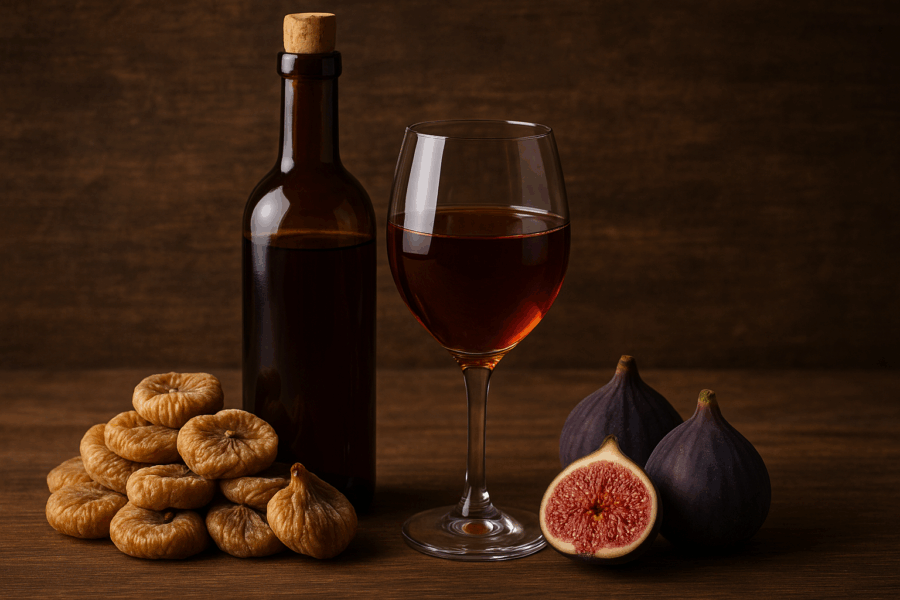
Fig wine is a traditional preparation that combines the sweetness of dried fruits with the natural fermentation process, resulting in an aromatic, nutritious beverage with a light alcoholic content. In many Mediterranean cultures, fig wine was valued not only as a delicacy but also as a digestive tonic and a fortifier for the body. Today, it is gaining attention due to its rich content of polyphenols, minerals, and soluble fibers, as well as its potential to support cardiovascular and digestive health.
Fig Wine Recipe (Traditional Preparation)
Ingredients:
-
1 kg of dried figs
-
4 liters of boiled and cooled water
-
500 g of honey (or 400 g of unrefined brown sugar)
-
1 tablespoon of wine yeast (or fresh yeast dissolved in warm water)
-
Optional: 1 cinnamon stick or 2 cloves for flavor
Preparation Method:
-
The dried figs are cut into small pieces and placed in a large glass jar or fermentation vessel.
-
Add the honey (or sugar), then the boiled and cooled water. Mix well.
-
Dissolve the yeast in a glass of warm water and add it to the mixture.
-
Cover the vessel with a clean cheesecloth and let it ferment for 10-14 days at room temperature, stirring gently daily.
-
After fermentation, strain the liquid, bottle it in airtight containers, and let it mature for another 30-40 days in a cool place.
The result is a lightly sweet wine with a pleasant aroma and a moderate alcohol content (6-10%).
Benefits of Fig Wine
-
Supports Digestion – Due to the high fiber content in figs, the resulting wine retains some of these substances, stimulating intestinal transit and preventing constipation. Moderate consumption may have prebiotic effects and improve the balance of gut flora.
-
Improves Cardiovascular Health – The polyphenols and antioxidants in figs and the fermentation process can reduce oxidative stress and inflammation, supporting the health of blood vessels and helping to maintain normal blood pressure.
-
Contributes to Bone Health – Figs are rich in calcium, magnesium, and potassium, and these minerals are partially present in the wine, providing support for bone density.
-
Energizing and Tonic Effect – Due to its natural sugar content, fig wine provides a quick energy boost, historically appreciated by those who were weak or in recovery periods.
-
Antioxidant Protection – Figs contain flavonoids and phenolic compounds that, after fermentation, can act as powerful antioxidants, protecting cells from premature aging.
Studies and Research
A study published in Journal of Food Science (2016) analyzed the bioactive compounds in figs and showed that they contain high levels of polyphenols and flavonoids with antioxidant and anti-inflammatory effects.
Another study from Journal of Agricultural and Food Chemistry (2017) confirmed that the fermentation process of fruits, including figs, can increase the bioavailability of certain antioxidants, making them easier for the body to absorb.
Research conducted in Iran (2019) showed that fig extracts can help reduce cholesterol levels and improve lipid profiles, suggesting a beneficial effect for wine made from these fruits.
Additionally, a systematic review in Nutrients (2020) concluded that figs may have a protective role against metabolic and cardiovascular diseases by reducing chronic inflammation and improving insulin sensitivity.
Contraindications
-
Excessive consumption may lead to digestive issues (bloating, diarrhea) due to the high fiber and sugar content.
-
Not recommended for individuals with uncontrolled diabetes due to the natural sugar and alcohol content.
-
Individuals with liver or pancreatic conditions should avoid alcohol consumption, including fig wine.
-
Pregnant or breastfeeding women should not consume this wine.
-
May interact with anticoagulant medications or blood pressure medications.
Estimated Nutritional Table (per 100 ml of fig wine)
| Component | Approximate Amount |
|---|---|
| Energy | 80-90 kcal |
| Carbohydrates | 8-10 g |
| Natural Sugar | 7-9 g |
| Alcohol | 6-10% vol. |
| Soluble Fiber | 0.5-1 g |
| Calcium | 150-200 mg |
| Potassium | 100-120 mg |
| Magnesium | 10-12 mg |
| Antioxidants (polyphenols) | 400-600 mg |




