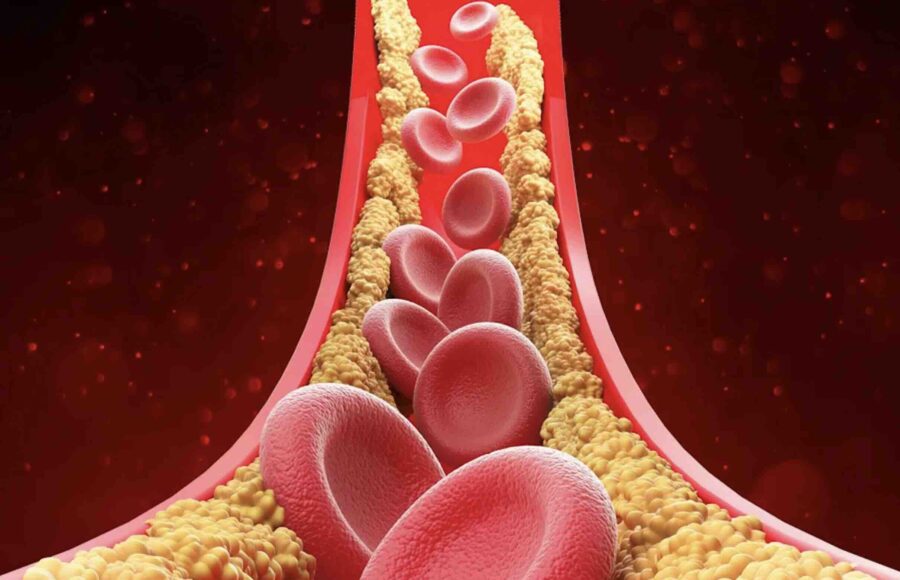
High cholesterol is one of the most common issues of modern times, associated with major cardiovascular risks. Natural medicine offers simple and effective remedies, one of the most well-known being the combination of vinegar and garlic. This traditional duo is valued for both its detoxifying effects and its positive impact on circulation and fat metabolism. This article details how vinegar and garlic act on cholesterol, the correct preparation recipe, administration methods, studies confirming their effectiveness, and contraindications to consider.
Detailed Benefits
1. Lowering LDL Cholesterol
Garlic contains allicin, an active compound with hypolipidemic effects. By inhibiting hepatic cholesterol synthesis, it helps reduce LDL (bad cholesterol) levels. Vinegar, especially apple cider vinegar, contains organic acids that support fat metabolism. Together, these two ingredients reduce fat deposits on arterial walls. Regular consumption, combined with a balanced diet, contributes to keeping blood vessels clean.
2. Increasing HDL Cholesterol
HDL is the good cholesterol that cleanses arteries of fat deposits. Studies show that garlic, due to its sulfur compounds, promotes an increase in HDL levels. Vinegar stimulates enzymes involved in lipid metabolism, supporting lipid balance. With consistent consumption, the remedy aids in better blood circulation, significantly reducing the risk of atherosclerosis.
3. Improving Blood Circulation
Garlic has a vasodilatory effect, relaxing arterial walls and reducing their stiffness. This effect helps improve oxygenation of organs. Vinegar acts as a natural blood thinner. Together, they can prevent the formation of clots. The result is better circulation and a protected heart.
4. Detoxifying the Liver
The liver is the central organ in cholesterol metabolism. Garlic stimulates liver enzymes responsible for detoxifying the body. Apple cider vinegar contains acetic acid and enzymes that help metabolize fats more efficiently. With regular use, the liver is supported in its regeneration process, leading to a long-term decrease in cholesterol levels.
5. Controlling Blood Pressure
High cholesterol often goes hand in hand with hypertension. Allicin in garlic relaxes blood vessels, lowering blood pressure. Vinegar contributes to blood pressure regulation by improving insulin sensitivity and reducing vascular stiffness. Therefore, the remedy is useful for preventing cardiovascular diseases.
6. Antioxidant Action
Garlic and vinegar are rich in natural antioxidants. These reduce oxidative stress, one of the main causes of cholesterol plaque deposits. Antioxidants protect endothelial cells that line blood vessels. Thus, arterial walls remain healthy and elastic. Over time, this significantly reduces the risk of heart attack and stroke.
7. Support for Digestion and Metabolism
Apple cider vinegar balances gastric acidity, improving fat digestion. Garlic has antimicrobial properties that protect intestinal flora. Better digestion means correct nutrient absorption and faster elimination of lipid residues. This process indirectly contributes to maintaining cholesterol within normal limits.
8. Preventing Atherosclerosis
Cholesterol deposits on blood vessels lead to their narrowing, a phenomenon known as atherosclerosis. Garlic reduces the formation of atheromatous plaques. Vinegar helps maintain blood fluidity and dissolves fat deposits. Together, these effects prevent artery blockage and maintain vascular elasticity.
Studies and Research
A study published in the Journal of Nutrition demonstrated that garlic supplements reduce total cholesterol by 7-10% after a few weeks of administration. Researchers highlighted the role of allicin in inhibiting the HMG-CoA reductase enzyme, responsible for hepatic cholesterol synthesis.
Another study conducted in Iran on patients with hypercholesterolemia showed that daily consumption of apple cider vinegar for 8 weeks reduced LDL levels and triglycerides. Participants also experienced an increase in HDL, indicating the balancing effect of this remedy.
Research published in Atherosclerosis showed that garlic has an anti-atherosclerotic effect by reducing fat deposits at the arterial level. The study followed patients for 4 years and demonstrated a slowdown in the progression of cholesterol plaques.
Animal studies confirmed that acetic acid in vinegar reduces lipogenesis (the formation of new fat molecules) and improves lipid metabolism. This mechanism explains the decrease in total cholesterol observed in human subjects.
A review published in 2020 in Frontiers in Nutrition analyzed over 20 studies regarding the effects of garlic on blood lipids. The conclusion was that garlic has a significant impact on reducing total and LDL cholesterol, but effects vary depending on dosage and duration.
In Japan, a clinical study showed that daily administration of apple cider vinegar in patients with metabolic syndrome reduced visceral fat and triglyceride levels, confirming beneficial effects on lipid profiles.
A meta-analysis published in Nutrition Reviews concluded that garlic reduces total cholesterol by an average of 12%, with a stronger effect in individuals with initially high values.
In 2019, a randomized clinical study showed that apple cider vinegar consumed before meals improves glycemic control and insulin sensitivity, factors correlated with reduced cholesterol and cardiovascular risk.
A long-term experiment conducted in Germany showed that patients who consumed garlic extract exhibited an 18% reduction in atheromatous plaques in the carotid artery.
A clinical study conducted in Egypt tested the combination of garlic and vinegar in patients with dyslipidemia, observing a significant reduction in LDL cholesterol and an increase in HDL. The conclusion was that the combination of the two has a synergistic effect.
Traditional Recipe
Ingredients:
-
10 cloves of garlic
-
200 ml natural apple cider vinegar
-
200 ml plain water
Preparation Method:
-
Peel and finely crush the garlic.
-
Place it in a glass jar.
-
Add the apple cider vinegar and water.
-
Let it macerate for 5-7 days in a cool place, shaking the jar daily.
-
After maceration, strain the liquid and store it in a dark glass bottle in the refrigerator.
Administration Method
-
Consume 1 tablespoon diluted in a glass of water in the morning, on an empty stomach.
-
The treatment can last 21 days, followed by a 7-day break.
-
It can be repeated 2-3 times a year, depending on necessity and doctor’s recommendation.
Contraindications
-
Individuals taking anticoagulants should avoid consumption, as garlic thins the blood.
-
Contraindicated for patients with gastric ulcers or severe gastritis due to the acidity of vinegar.
-
Not recommended for individuals with hypotension, as it may lower blood pressure further.
-
Avoid in case of garlic allergy or pronounced digestive sensitivity.
-
Pregnant and breastfeeding women should seek medical advice.




