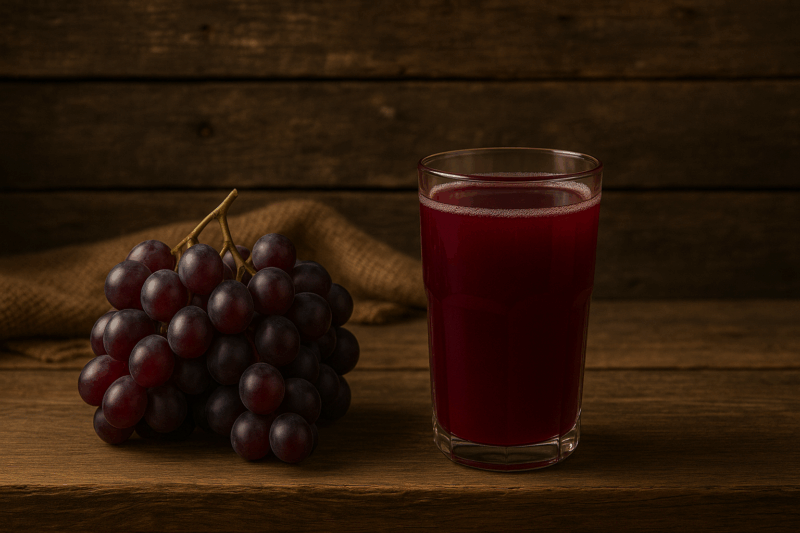
Grape must, the sweet and aromatic juice obtained by pressing fresh grapes, is considered a true elixir of autumn. Unlike wine, grape must is not fermented, which means it retains the full content of vitamins, minerals, and antioxidants of the fruit. Traditionally, it was consumed as a natural tonic for the body, and today modern studies confirm its remarkable health properties.
Nutritional Value (per 100 ml of grape must)
| Nutrient | Approximate Amount |
|---|---|
| Calories | 6070 kcal |
| Carbohydrates | 1618 g |
| Fiber | 0.3 g |
| Vitamin C | 10 mg |
| Vitamin B1 | 0.03 mg |
| Vitamin B6 | 0.05 mg |
| Potassium | 180 mg |
| Magnesium | 7 mg |
| Iron | 0.4 mg |
| Antioxidants | flavonoids, resveratrol, polyphenols |
Benefits of Grape Must
1. Support for the Immune System
Grape must is rich in vitamin C and polyphenols, substances that strengthen the body’s defense mechanisms. Regular consumption helps activate immune cells and protects against seasonal infections. Research has shown that the flavonoids in grapes inhibit the development of bacteria and viruses. Additionally, the resveratrol in grape skins activates anti-inflammatory processes, reducing the risk of infectious diseases.
2. Support for Cardiovascular Health
The antioxidants in must help reduce oxidative stress and maintain the elasticity of blood vessels. Resveratrol improves endothelial function and prevents the formation of clots. The potassium present in must contributes to regulating blood pressure, while soluble fibers lower LDL cholesterol levels. Thus, moderate consumption of must protects the heart and circulation.
3. Quick and Natural Energy
Due to its high content of simple carbohydrates, must is a quick source of energy. It is recommended for athletes or active individuals for replenishing muscle glycogen. Unlike artificial energy drinks, must also provides essential minerals that prevent dehydration. This combination of sugars and electrolytes supports physical and mental performance.
4. Protection Against Oxidative Stress
The polyphenols and anthocyanins in must neutralize free radicals responsible for the premature aging of cells. Regular consumption protects the skin, eyes, and nervous system. Studies have confirmed that the antioxidants in grapes can prevent macular degeneration and cognitive decline. Moreover, must contributes to maintaining liver health by reducing inflammation.
5. Digestive Health
Must contains fiber and organic acids that stimulate intestinal transit. Its consumption can prevent constipation and digestive discomfort. The bioactive substances in grapes also support the development of beneficial gut flora. Additionally, due to its high water content, must hydrates and contributes to the natural detoxification of the body.
6. Improvement of Memory and Cognitive Functions
The flavonoids in must have neuroprotective effects. They improve cerebral circulation and stimulate the release of neurotransmitters involved in learning and memory. Regular consumption may reduce the risk of Alzheimer’s disease and other neurodegenerative disorders. Studies show that resveratrol stimulates neurogenesis and synaptic plasticity.
7. Support for Bone Health
Must contains boron, a mineral that plays an important role in calcium metabolism and maintaining bone density. The antioxidants in must protect bones from inflammatory processes that lead to osteoporosis. Additionally, magnesium and potassium support muscle health, preventing cramps. This combination of nutrients is beneficial for women undergoing menopause.
8. Natural Detoxification
Due to its high content of water, minerals, and polyphenols, must has a detoxifying effect on the body. It helps eliminate toxins through the kidneys and liver. Organic acids stimulate bile secretion and fat digestion. Moderate consumption of must can contribute to reducing internal inflammation and purifying the blood.
Relevant Studies and Research
A study published in Journal of Nutrition demonstrated that the polyphenols in grape juice (equivalent to must) improve endothelial function and reduce blood pressure. Researchers observed that individuals who consumed grape juice daily for 8 weeks had better blood pressure values and lower levels of oxidative stress. The results were attributed especially to resveratrol and flavonoids, which increase the availability of nitric oxide, a substance that dilates blood vessels.
Another study published in American Journal of Clinical Nutrition showed that purple grape juice can improve memory and reaction time in older adults. After 12 weeks of daily consumption, participants showed a significant improvement in cognitive functions. The explanation lies in the effect of flavonoids on cerebral blood flow and the synthesis of dopamine and acetylcholine.
Additionally, research from the University of Montpellier confirmed the antioxidant effects of grape must on the liver. In the study, rats fed a high-fat diet supplemented with grape must extract showed reduced levels of liver inflammation and better protection against oxidative stress.
Contraindications
-
Must has a high sugar content and is not recommended for individuals with diabetes or insulin resistance.
-
Excessive consumption can cause bloating and intestinal fermentation.
-
Individuals with gastritis or ulcers should avoid large quantities, as organic acids can irritate the gastric mucosa.
-
It is not recommended in weight loss diets due to its high caloric intake.
-
In the case of children, consumption should be moderate to avoid digestive disturbances.
Grape must is a natural beverage with a valuable nutritional profile and demonstrated health benefits. When consumed in moderation, it can support immunity, heart health, cognitive functions, and detoxification of the body. However, excess should be avoided, especially by individuals with metabolic issues.




