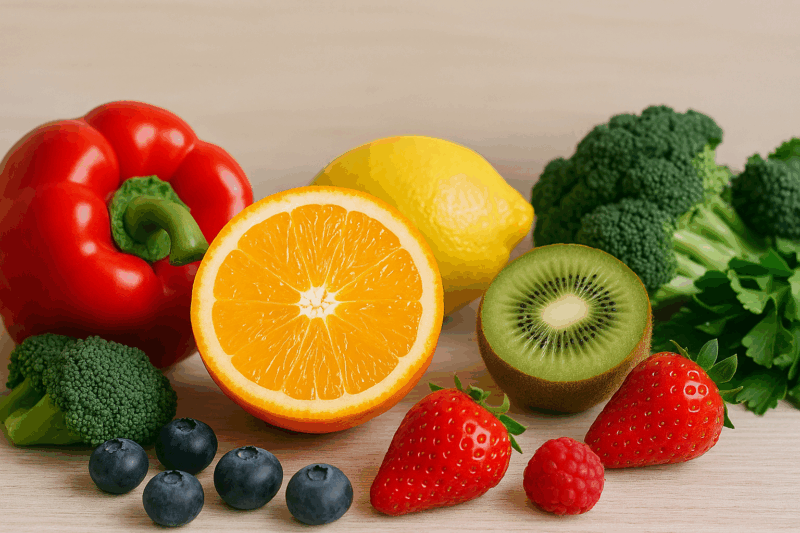
Vitamin C (ascorbic acid) is one of the most well-known and important nutrients for the body. It is essential for the functioning of the immune system, for collagen production, for skin and blood vessel health, and for combating oxidative stress. Unlike other animals, humans cannot synthesize vitamin C, which is why we need to obtain it daily from our diet.
Why is a vitamin C cleanse important?
-
Strengthening the immune system
Vitamin C stimulates the production of leukocytes, the cells that protect the body from infections. It reduces the duration and severity of colds and supports the body in recovering more quickly after viral infections. -
Antioxidant protection
Ascorbic acid neutralizes free radicals, unstable molecules responsible for premature aging and the onset of chronic diseases. -
Collagen formation
It is indispensable for collagen synthesis, the protein that maintains skin elasticity, joint resilience, and the integrity of blood vessels. -
Iron absorption
Vitamin C increases the absorption of iron from plant sources, preventing iron deficiency anemia. -
Supporting cardiovascular health
By reducing oxidative stress and inflammation, vitamin C can help protect blood vessels and maintain blood pressure within normal limits.
How much vitamin C do we need daily?
-
Adults: 75-90 mg per day
-
Smokers: +35 mg in addition to the recommended daily dose
-
Children and adolescents: between 45-65 mg, depending on age
Experts recommend that the daily requirement be met through diet, with supplements being useful only when the diet is deficient or at the doctor’s recommendation.
Foods rich in vitamin C
Fruits
-
Citrus fruits (oranges, lemons, mandarins, grapefruit) 50-70 mg/100 g
-
Kiwi 90 mg/100 g
-
Strawberries 60 mg/100 g
-
Berries (blackcurrants over 180 mg/100 g)
-
Papaya and mango 60-70 mg/100 g
Vegetables
-
Red bell pepper 120-150 mg/100 g
-
Broccoli 90 mg/100 g
-
Kale 80-100 mg/100 g
-
Raw sauerkraut 25 mg/100 g (also provides probiotics)
-
Spinach and Swiss chard 20-30 mg/100 g
Examples of daily menus for optimal vitamin C intake
-
Breakfast: a fruit salad with kiwi, strawberries, and orange (approx. 150 mg vitamin C)
-
Snack: a raw bell pepper (approx. 120 mg vitamin C)
-
Lunch: steamed broccoli and cabbage salad (approx. 100 mg vitamin C)
-
Dinner: vegetable soup with spinach and herbs (approx. 50 mg vitamin C)
Thus, even on an ordinary day, the intake of vitamin C can exceed 400 mg, providing significant antioxidant and protective effects.
Contraindications and precautions
-
High doses of vitamin C from supplements (over 1,000 mg/day) can cause digestive disturbances (bloating, diarrhea).
-
People with kidney stones (oxalate-based stones) should avoid high-dose supplements.
-
In the case of chronic conditions or when taking medications, it is recommended to consult a doctor before starting an intensive supplement regimen.
A vitamin C cleanse is beneficial when done correctly and balanced. The safest way to obtain this nutrient is through the daily consumption of fresh, varied, and colorful fruits and vegetables. Supplements should only be used when dietary intake is insufficient or at the doctor’s recommendation.
Nutritional table of vitamin C content in main foods (mg/100 g)
| Food | Vitamin C (mg/100 g) |
|---|---|
| Red bell pepper | 120-150 |
| Kiwi | ~90 |
| Broccoli | ~90 |
| Strawberries | ~60 |
| Oranges | ~50 |
| Lemons | ~50 |
| Blackcurrants | 180-200 |
| Kale | 80-100 |




