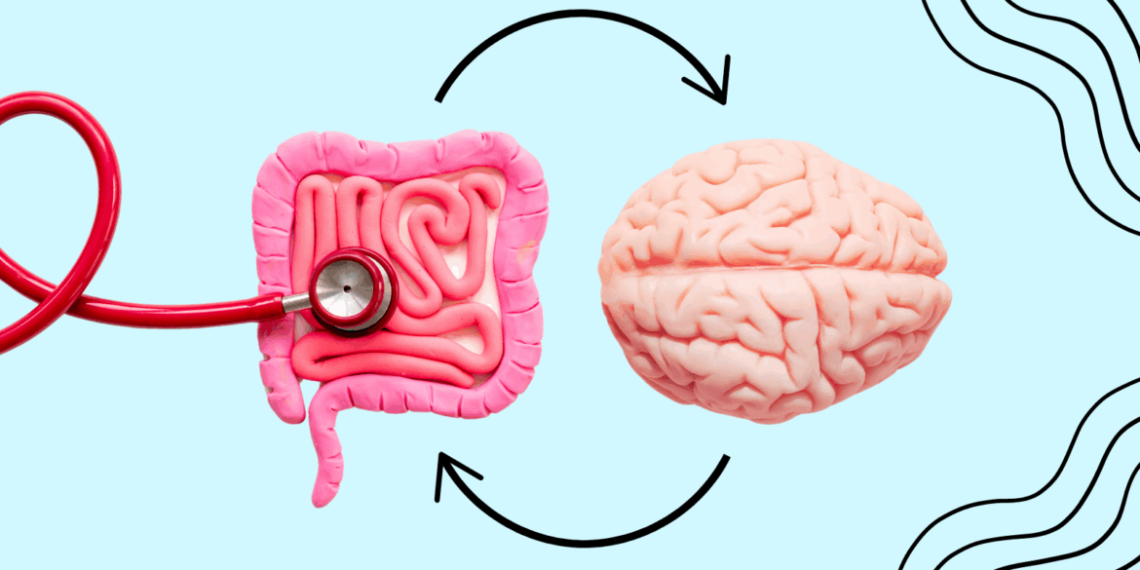
The connection between the brain and the gut is deeper than it seems at first glance. When we are stressed, not only does the mind suffer, but so does the digestive system. Specifically, chronic stress can disrupt gut flora, which is the collection of beneficial bacteria that support digestion, immunity, and even our mental state. In this article, you will discover how stress affects gut flora and what medicinal plants can help restore intestinal balance.
What is Gut Flora and Why Does It Matter?
Gut flora, also known as the gut microbiome, consists of trillions of beneficial bacteria that thrive in the colon. These bacteria:
- break down undigested food,
- produce essential vitamins (such as B12 and K),
- support the immune system,
- directly influence the gut-brain axis.
An imbalance in the flora (known as dysbiosis) can lead to bloating, constipation, diarrhea, chronic fatigue, anxiety, and even inflammatory bowel diseases.
How Stress Affects Gut Flora
Stress, especially chronic stress, directly impacts the microbiome through several mechanisms:
- Modifies intestinal motility – stress can speed up or slow down intestinal transit, disrupting bacterial balance.
- Reduces the diversity of beneficial bacteria – particularly species of Lactobacillus and Bifidobacterium, which are essential for healthy digestion.
- Increases intestinal permeability – known as leaky gut syndrome, it allows toxins to enter the bloodstream, intensifying systemic inflammation.
- Stimulates cortisol release – the stress hormone reduces the secretion of immunoglobulins (IgA), which are essential for protecting the intestinal mucosa.
- Affects the gut-brain axis – an imbalance in flora can exacerbate anxiety and depression, creating a vicious cycle between stress and dysbiosis.
Medicinal Plants That Regenerate Gut Flora
Many plants have prebiotic, mild antimicrobial, and anti-inflammatory properties. Here are the most effective:
1. Chicory Root (Cichorium intybus)
Rich in inulin – a prebiotic that nourishes beneficial bacteria.
Supports liver detoxification and reduces intestinal inflammation.
Can be consumed as tea or powder added to yogurt.
2. Flaxseeds (Linum usitatissimum)
Contains mucilage that protects the intestinal mucosa.
Has a mild laxative effect, reducing constipation associated with stress.
Can be used ground, in salads or yogurts.
3. Ginger (Zingiber officinale)
Stimulates digestion and reduces inflammation.
Contributes to balancing flora through a mild antimicrobial effect.
Can be consumed as an infusion, macerate, or raw grated.
4. Fennel (Foeniculum vulgare)
Helps reduce bloating and intestinal fermentation.
Useful in dysbiosis accompanied by gas and abdominal discomfort.
As tea, it is well tolerated even by children.
5. St. John’s Wort (Hypericum perforatum)
Regulates the gut-brain axis, reducing stress and anxiety.
Indirectly improves gut flora by reducing cortisol levels.
Should not be combined with antidepressants or contraceptives.
6. Peppermint (Mentha piperita)
Has a calming effect on irritable bowel.
Reduces cramps and normalizes transit.
Can be consumed as an infusion, capsules, or diluted essential oil.
7. Nettle (Urtica dioica)
Detoxifying, supports kidney and intestinal function.
Contains important minerals for tissue regeneration.
Administered as an infusion or fresh juice.
1. Prebiotic Tea with Chicory and Mint
Ingredients:
- 1/2 tablespoon dried chicory root (ground)
- 1/2 tablespoon dried mint leaves
- 250 ml boiling water
Preparation Method:
- Place the plants in a cup.
- Pour boiling water and cover.
- Let steep for 10-15 minutes.
- Strain and consume warm, twice a day.
Effects: Chicory nourishes good bacteria (due to inulin), while mint calms the intestinal mucosa.
2. Flaxseed and Yogurt Mix
Ingredients:
- 1 tablespoon flaxseeds (freshly ground)
- 150 g natural yogurt (preferably with probiotics)
Preparation Method:
- Mix the seeds into the yogurt.
- Let sit for 10 minutes for hydration.
- Consume in the morning on an empty stomach.
Effects: Flaxseeds form a protective gel in the intestine and promote the growth of good bacteria.
3. Relaxing Infusion for the Gut-Brain Axis (St. John’s Wort + Lemon Balm)
Ingredients:
- 1/2 tablespoon St. John’s Wort
- 1/2 tablespoon lemon balm leaves
- 250 ml hot water
Preparation Method:
- Mix the plants in a cup.
- Add hot water, cover, and steep for 10 minutes.
- Consume in the evening, before bedtime.
Effects: Reduces stress levels and indirectly supports the health of gut flora.
Attention: Do not combine with contraceptives, antidepressants, or other medications without medical advice.
4. Prebiotic Salad with Chicory, Carrot, and Pumpkin Seeds
Ingredients:
- 1 small raw chicory root (grated)
- 1 carrot (grated)
- 1 tablespoon pumpkin seeds
- Some olive oil and lemon juice
Preparation Method:
- Mix all ingredients in a bowl.
- Consume fresh, as a snack or alongside a main meal.
Effects: Raw chicory has the highest natural prebiotic (inulin), while seeds support digestion through their zinc and fiber content.
5. Nettle and Ginger Juice for Intestinal Detoxification
Ingredients:
- 1 handful of fresh nettle leaves
- 1 tablespoon grated ginger
- 1 green apple
- 200 ml water
Preparation Method:
- Wash the nettle leaves well.
- Add all ingredients to a blender.
- Blend well and consume immediately, once a day.
Effects: The combination helps with gentle detoxification of the digestive tract and stimulates the rebalancing of flora.
Recent Studies and Research
A study published in Nature Microbiology (2021) showed that psychological stress directly alters the composition of gut flora, drastically reducing the number of beneficial bacteria species (Bifidobacterium, Faecalibacterium). Concurrently, an increase in opportunistic bacteria, which can cause inflammation, was observed.
Another study in Psychosomatic Medicine (2020) highlighted that individuals with elevated cortisol levels exhibited low microbial diversity, which correlated with digestive symptoms such as bloating, constipation, and diarrhea.
Researchers from Harvard Medical School confirmed in 2022 that therapy with adaptogenic and anti-inflammatory herbs (such as St. John’s Wort, holy basil, and ginger) led to a restoration of flora balance and a reduction of irritable bowel symptoms in 72% of patients.
Contraindications
Although plants are generally well tolerated, there are some important precautions:
- St. John’s Wort may interact with contraceptives, anticoagulants, antidepressants, and other medications.
- Ginger is contraindicated in active gastric ulcers or treatments with anticoagulants.
- Nettle may increase blood pressure in some individuals.
- Chicory is not recommended in cases of allergy to plants from the Asteraceae family.
- Peppermint should not be administered to children under 2 years in the form of essential oil.
Stress is a major factor that influences the health of gut flora. If ignored, it can lead to digestive imbalances, chronic inflammation, and even psychological issues. Restoring the microbiome can be done naturally, with the help of suitable medicinal plants, but also by reducing stress, maintaining a balanced diet, and ensuring adequate sleep.




