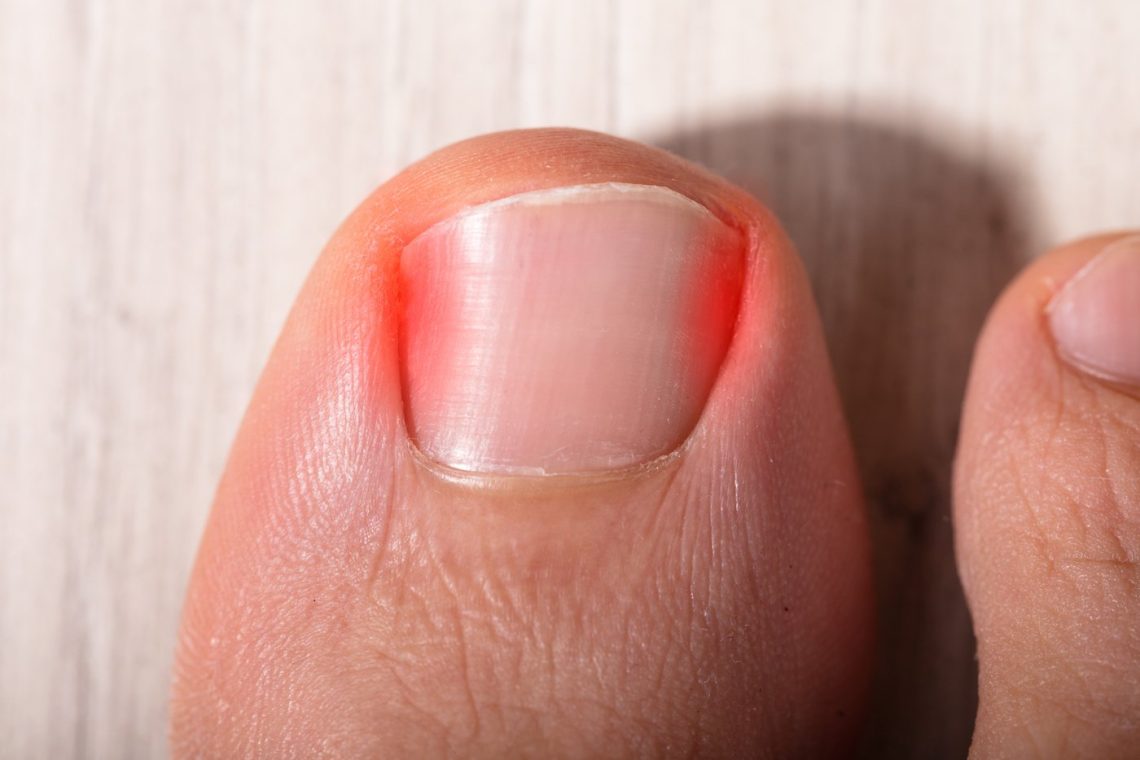
Ingrown nails, whether on the hands or feet, can be caused by fungal infections, bacterial infections, trauma, excessive sweating, improper footwear, or even nutritional deficiencies. This issue affects aesthetic appearance and can be accompanied by discomfort. Natural medicine offers effective solutions that are easy to apply at home, supporting the recovery of nail health.
1. Baking Soda
Baking soda has recognized antifungal and antibacterial properties.
-
A solution is prepared from 1 tablespoon of baking soda in 250 ml of warm water.
-
Soak the nails for 15 minutes daily.
-
The alkalinity neutralizes the environment favorable to fungi.
-
Studies confirm the inhibition of the growth of Candida and Trichophyton.
2. Tea Tree Oil
One of the most powerful natural antifungals.
-
Apply 12 drops on the affected nail, twice a day.
-
Contains terpinen-4-ol with antimicrobial effects.
-
Research shows visible improvements after 6 months of use.
-
Recommended for nails on both hands and feet.
3. Apple Cider Vinegar
A traditional remedy against fungi and bacteria.
-
Make a local soak: 1 part vinegar + 1 part warm water.
-
Soak the nails for 15 minutes daily.
-
Acetic acid balances pH and inhibits fungi.
-
Especially effective for toenails exposed to sweating.
4. Coconut Oil
Has antimicrobial effects and nourishes the nail.
-
Apply by massaging daily.
-
Lauric acid destroys bacteria and fungi.
-
Moisturizes, preventing peeling and thickening of the nail.
-
Studies confirm its antifungal action against Candida.
5. Wormwood or Calendula Infusion
Used in the form of soaks or compresses.
-
Wormwood: antifungal and antimicrobial.
-
Calendula: anti-inflammatory and healing.
-
Studies show it accelerates tissue regeneration.
6. Lemon Juice
Whiten and disinfect nails.
-
Apply locally a few drops for 10-15 minutes.
-
Citric acid has antibacterial effects.
-
Slows down the development of fungi.
-
Use moderately to avoid excessive drying.
7. Garlic
A recognized natural antibiotic.
-
Apply a paste of crushed garlic on the affected nail for 15 minutes daily.
-
Allicin destroys fungi and bacteria.
-
Studies show comparable efficacy to some topical treatments.
8. Sea Salt Soak
Recommended especially for toenails.
-
2 tablespoons of sea salt in 500 ml of warm water.
-
Reduces sweating and bacteria.
-
Improves the appearance and cleanliness of the nails.
Contraindications
-
People with sensitive skin should dilute acidic or oily remedies.
-
Pregnant women and small children should avoid essential oils without medical advice.
-
In case of severe infection, deformity, or intense pain, dermatological consultation is mandatory.
Natural remedies for ingrown nails can provide visible results when applied consistently and correctly. Combined with daily hygiene and a balanced diet, they restore the health and beauty of nails, whether on the hands or feet.
Sources
-
Mycopathologia Antifungal activity of sodium bicarbonate against Candida and dermatophytes
-
Journal of Family Practice Tea tree oil in the treatment of toenail onychomycosis
-
Journal of Applied Microbiology Antimicrobial properties of coconut oil and its fatty acids
-
Planta Medica Phytochemical and pharmacological properties of Calendula officinalis
-
Journal of Ethnopharmacology Antifungal activity of Artemisia absinthium extracts
-
International Journal of Microbiology Garlic (Allium sativum): antimicrobial activity and clinical applications
-
BMC Complementary Medicine and Therapies Antimicrobial effect of lemon juice and citric acid
-
Journal of Food Science Antibacterial and antifungal activity of sea salt solutions




