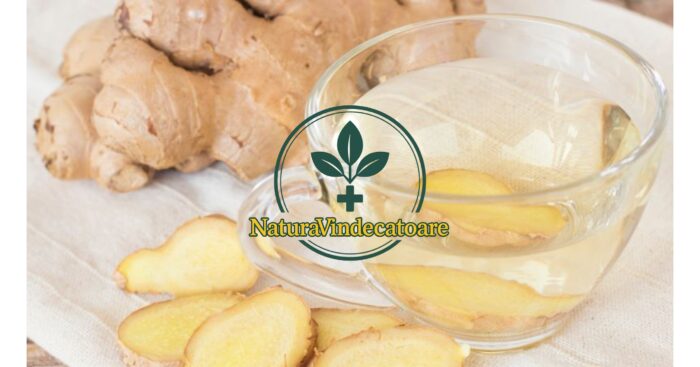
Ginger (Zingiber officinale) is one of the most appreciated medicinal plants in the world, recognized for its compounds and active ingredients such as gingerols and shogaols. However, the method of preparing the tea is essential to preserve these substances in optimal quantities. Overboiling, improper cutting, or incorrect storage can significantly reduce its effectiveness. In this article, you will learn how to prepare ginger tea in a way that retains all its beneficial properties, based on studies and recommendations from specialists.
How to Prepare Ginger Tea to Preserve All Its Properties
Ingredients:
- 1 tablespoon of freshly grated ginger (approx. 3-4 g)
- 250 ml of still water
- Optional: slices of lemon, honey (add only after the tea has cooled below 40°C)
Correct Preparation Method:
- Wash the ginger root well and peel it thinly to preserve the outer layer rich in antioxidants.
- Grate the ginger finely or slice it thinly (the exposed surface influences the extraction of active substances).
- Heat the water to 70-80°C (do not boil) to prevent the degradation of gingerols.
- Add the ginger to the warm water, cover it, and let it steep for 10-15 minutes.
- Strain and consume immediately, adding honey only when the tea is warm to avoid destroying the enzymes.
Important: Do not steep the ginger for more than 15 minutes, as the active compounds degrade, and the taste becomes excessively spicy.
Major Benefits of Ginger Tea
- Supports digestion and reduces nausea
Gingerol stimulates gastric motility, helping to accelerate intestinal transit and reduce bloating. It is effective against morning sickness and nausea caused by motion sickness. Studies show it acts on serotonin receptors in the digestive tract, reducing the vomiting reflex. It also helps alleviate abdominal pain and improve bile secretion. It is useful even in post-anesthesia nausea. - Powerful anti-inflammatory effect
Gingerols and shogaols inhibit the production of pro-inflammatory cytokines, which helps in arthritis, muscle pain, or chronic inflammation. Regular consumption of ginger tea reduces joint stiffness and improves mobility. It acts by blocking the COX-2 enzyme, similar to some anti-inflammatory medications. Unlike these, it does not affect the gastric mucosa. The effect is felt gradually, after a few days of consumption. - Boosts the immune system
Ginger stimulates the production of lymphocytes and antibodies. It contains antioxidants that neutralize free radicals, reducing oxidative stress. Warm tea helps maintain an optimal body temperature during the cold season. In combination with lemon and honey, the immunostimulatory effect is amplified. It helps the body recover more quickly after infections. - Regulates blood sugar levels
Studies indicate that ginger improves insulin sensitivity and reduces fasting blood sugar levels. Gingerols influence the enzymes involved in carbohydrate metabolism. Regular consumption can help prevent sharp fluctuations in blood sugar levels. It is a useful ally for people with type 2 diabetes, with a doctor’s approval. Combining it with a balanced diet increases its effectiveness. - Protects the heart and blood vessels
Ginger helps lower LDL cholesterol and reduce triglycerides. It has a mild vasodilatory effect, improving circulation. Antioxidants prevent the oxidation of cholesterol, reducing the risk of plaque formation. Studies show a moderate decrease in blood pressure with regular consumption. It is especially beneficial when combined with moderate physical exercise. - Alleviates menstrual pain
The antispasmodic effect of ginger helps relax the uterine muscles. Consuming the tea a few days before and during the first days of menstruation reduces the intensity of cramps. It is a natural alternative to classic anti-inflammatories. It also helps reduce fatigue and irritability associated with the menstrual cycle. It can be combined with mint tea for additional calming effects. - Supports brain health
The antioxidants and anti-inflammatory compounds in ginger protect neurons against degeneration. There is evidence that it improves short-term memory and reaction speed. It reduces the risk of beta-amyloid plaque formation, associated with Alzheimer’s disease. It may help reduce anxiety and depressive symptoms. The effects are observed with regular, long-term consumption. - Accelerates metabolism
Ginger increases thermogenesis, the process by which the body burns calories to produce heat. It helps mobilize fat stores and maintain energy levels. It is useful in weight loss diets, especially when combined with a balanced diet. It reduces the feeling of hunger between meals. It contributes to maintaining a healthy weight.
Studies
1. Study published in the Journal of Ethnopharmacology (2013)
This study analyzed the effects of gingerol on inflammation and joint pain. Researchers administered ginger extract to patients with arthritis for 12 weeks. The results showed a significant reduction in pain and an increase in mobility. A decrease in inflammatory markers in the blood, such as C-reactive protein, was observed. The authors concluded that the anti-inflammatory effects are comparable to those of some non-steroidal anti-inflammatory drugs, but without gastric side effects. The mechanism involves the inhibition of the COX-2 enzyme and the reduction of oxidative stress. Participants did not report significant side effects. The equivalent daily dose was 2-3 cups of concentrated tea. The study recommends consuming ginger in its fresh form for maximum effects. Conclusion: correct preparation preserves the active compounds responsible for these benefits.
2. Study published in Phytotherapy Research (2015)
This study evaluated the effect of ginger on postoperative nausea and vomiting. 160 patients received either ginger or a placebo before surgical intervention. The ginger group reported a significant reduction in episodes of nausea in the first 24 hours post-surgery. Biochemical analyses showed that gingerols influence serotonin receptors in the gastrointestinal tract. A shortening of gastric emptying time was also observed. Administration did not cause relevant adverse effects. The results support the use of ginger tea before travel or medical procedures. The dose used corresponded to approximately 1-2 tablespoons of freshly infused ginger. The authors emphasized the importance of steeping in warm, not boiling, water. Conclusion: the method of preparation directly influences the therapeutic effect.
Contraindications
- People with active gastric ulcers or severe gastritis should avoid consumption.
- Not recommended in cases of coagulation disorders or treatment with anticoagulants.
- Pregnant women should consult a doctor before regular consumption.
- May cause gastric burns or diarrhea in large quantities.
- Not recommended for children under 2 years old.
Nutritional Table (per 100 g of fresh ginger)
| Nutrient | Amount |
|---|---|
| Energy | 80 kcal |
| Carbohydrates | 17.8 g |
| Proteins | 1.8 g |
| Fats | 0.8 g |
| Fiber | 2.0 g |
| Vitamin C | 5 mg |
| Potassium | 415 mg |
| Magnesium | 43 mg |
| Iron | 0.6 mg |




