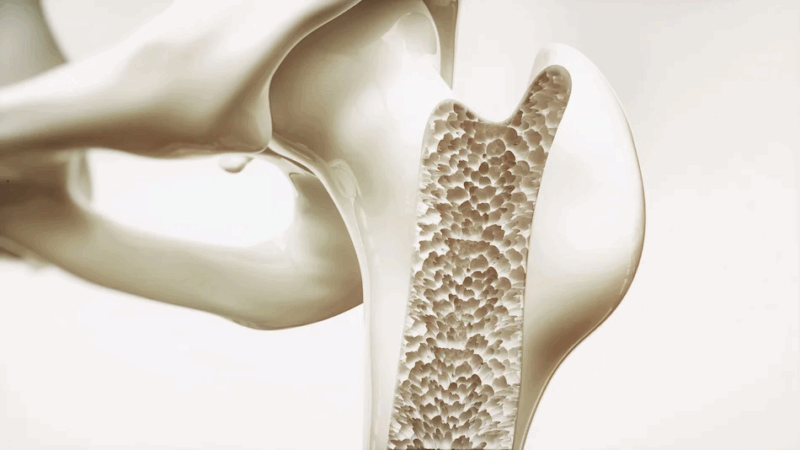
Strengthening bones does not depend solely on calcium and vitamin D. Medicinal plants can provide natural support through the intake of minerals, silicon, antioxidants, and substances that promote the regeneration of bone tissue. More and more people are turning to herbal elixirs to support bone density and prevent joint fragility. In the following sections, you will discover how to prepare a herbal elixir for strong bones, based on modern research and traditional phytotherapy.
Table of Useful Plants for Bone Health
| Plant | Relevant Constituents / Proposed Mechanism | Observations & Warnings |
|---|---|---|
| Horsetail (Equisetum arvense) | Rich in silicon, supports collagen synthesis and bone mineralization | Should not be used long-term; may decrease vitamin B1 levels. Avoid during pregnancy or in cases of kidney disorders. |
| Nettle (Urtica dioica) | Contains calcium, magnesium, silicon, vitamin K, contributes to bone density | May have a diuretic effect; avoid in cases of severe kidney insufficiency. |
| Comfrey (Symphytum officinale) | Allantoin stimulates tissue regeneration and bone healing | Internal use should be done with caution; not recommended for long-term use. |
| Turmeric (Curcuma longa) | Curcumin has anti-inflammatory and antioxidant effects; reduces bone resorption | Combine with black pepper for better absorption; avoid in cases of bile problems. |
| Red Sage (Salvia miltiorrhiza) | Stimulates the formation of osteoblasts and bone regeneration | May interact with anticoagulants; used under supervision. |
| Red Clover (Trifolium pratense) | Isoflavones have estrogen-like effects that support bone density | Avoid in cases of estrogen-dependent breast cancer or hormone therapy. |
Benefits
1. Horsetail – A Natural Source of Silicon
Horsetail contains one of the highest natural concentrations of silicon, an essential mineral for collagen synthesis and bone mineralization. Silicon contributes to the formation of the bone matrix, improving elasticity and mechanical resistance. It also promotes the regeneration of cartilage and connective tissues. Regularly consuming the infusion can support the restoration of bone density and prevent fragility. However, it is important to administer it with breaks, as the plant has a strong diuretic effect.
2. Nettle – A Complete Mineral Fortifier
Nettle is one of the richest plant sources of calcium, magnesium, potassium, iron, and silicon. These nutrients contribute to maintaining bone structure and forming osteoblast cells. Regular consumption of nettle, in teas or elixirs, supports the natural mineralization of bones and reduces joint inflammation. The vitamin K in nettle helps fix calcium in bone tissue. It is an ideal plant for spring and autumn detoxification and strengthening of bones.
3. Turmeric – A Natural Protector Against Inflammation
Curcumin, the main active substance in turmeric, has strong anti-inflammatory and antioxidant actions. It contributes to reducing chronic inflammation that accelerates bone mass loss. Additionally, it stimulates the formation of osteoblasts and inhibits collagen degradation processes. Combining it with black pepper increases curcumin’s bioavailability by up to 20 times. Due to its effects, turmeric is a valuable aid for maintaining bone density and reducing joint pain.
4. Comfrey – Deep Regeneration
Comfrey contains allantoin, a substance recognized for its regenerative effect on tissues. It has been traditionally used for healing fractures and restoring cartilage. Allantoin accelerates cellular regeneration and stimulates the formation of bone callus. Although internal use should be done carefully, in small quantities and for a short duration, comfrey is extremely effective in combinations for bones. When applied externally (as poultices or ointments), it significantly contributes to recovery after fractures.
5. Red Clover – Hormonal Support for Women
Red clover contains isoflavones, natural compounds similar to estrogens, which can compensate for hormonal decline during menopause. These phytoestrogens help prevent bone mass loss and increase mineral density in postmenopausal women. Additionally, they support calcium metabolism and reduce the risk of osteoporosis. Consuming red clover in controlled courses helps maintain hormonal balance and strengthen bone structure. It is a key ingredient in elixirs for the bone health of women over 45.
Studies and Research
A study published in the Journal of Bone and Mineral Research showed that silicon from horsetail stimulates the synthesis of type I collagen, improving bone structure. Research from 2023 confirmed that extract from Equisetum arvense can increase bone mineral density in women with osteopenia. Nettle, according to an animal study, demonstrated a reduction in bone resorption markers and an increase in bone formation.
Turmeric, through curcumin, inhibits the expression of inflammatory proteins (TNF-α and IL-6), factors involved in bone degradation. In 2024, Chinese researchers highlighted that red sage stimulates osteoblasts and promotes bone mineralization. Additionally, combinations of nettle and comfrey showed beneficial effects in restoring bone tissue after fractures, according to a study published in Phytotherapy Research.
Red clover, rich in isoflavones, has been associated with improved bone density in postmenopausal women in clinical studies conducted in the UK and Denmark. A 2022 study showed that women who consumed red clover extract for 12 weeks exhibited significant increases in mineral density at the femoral neck. In conclusion, these plants act synergistically, reducing inflammation, supporting bone regeneration, and strengthening the mineral structure of bones.
Recipe: Herbal Elixir for Strengthening Bones
Ingredients
- 1 tablespoon horsetail (dried, crushed)
- 1 tablespoon dried nettle
- 1 tablespoon turmeric powder
- A pinch of ground black pepper
- 250 ml hot water
- Optional: 1 tablespoon natural honey
Preparation Method
- Boil the water and let it cool for 1 minute.
- Add the plants to a cup and pour the water over them.
- Cover and let steep for 15 minutes.
- Strain and, after it has cooled slightly, add honey.
- Drink 1 cup daily, preferably in the morning.
Consumption Method
Consume one cup daily for 3 weeks, followed by a 7-day break. It can be resumed in seasonal courses, in spring and autumn.
Contraindications
- Not recommended during pregnancy or breastfeeding.
- Individuals with kidney disorders should avoid prolonged consumption of horsetail.
- Turmeric is contraindicated in cases of gallstones.
- Red clover should not be administered in cases of estrogen-dependent breast cancer.
- Do not combine the elixir with anticoagulant medications without medical advice.




