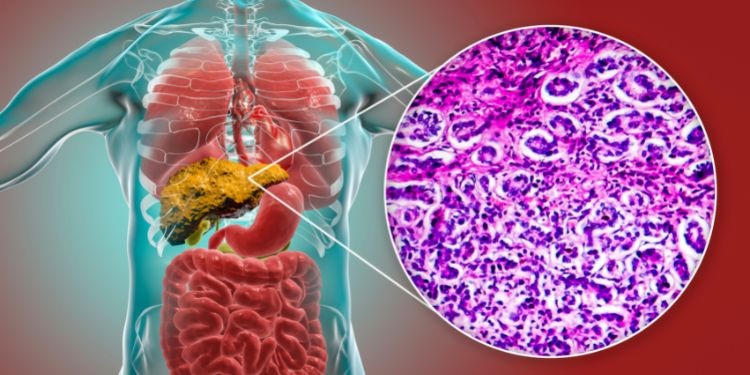
Fatty liver, a condition increasingly encountered due to modern diets and sedentary lifestyles, has become a major public health issue. Many people seek natural remedies to regenerate their liver, but not all plants promoted online are effective or safe. In this article, you will discover which plants are supported by science in combating hepatic steatosis and which are merely myths without real evidence.
What is Fatty Liver (Hepatic Steatosis)?
Hepatic steatosis occurs when excess fat accumulates in the liver cells. It can be of two types:
- Alcoholic fatty liver caused by alcohol consumption;
- Non-alcoholic fatty liver (NAFLD) caused by a diet high in fats, sugars, obesity, and type 2 diabetes.
If left untreated, the disease can progress to steatohepatitis, fibrosis, or even liver cirrhosis.
Plants That Can Help Fatty Liver (With Studies)
1. Silymarin (Milk Thistle Silybum marianum)
Silymarin is the active substance extracted from milk thistle seeds, considered one of the most well-studied substances for liver health.
- Silymarin acts as a powerful antioxidant, reducing oxidative stress that exacerbates liver inflammation.
- It stimulates the regeneration of liver cells and prevents the infiltration of toxins into the liver.
- It is often used as an adjunct in the treatment of fatty liver, hepatitis, and cirrhosis.
- It lowers transaminase levels, liver enzymes elevated in steatosis.
- A study published in World Journal of Hepatology (2020) showed that administration of silymarin for 6 months improved liver functions and reduced liver fat in patients with NAFLD.
STUDY (2020, World J Hepatol)
In a double-blind randomized study, patients with non-alcoholic fatty liver were divided into two groups: one received silymarin and the other a placebo. After 6 months, the silymarin group showed a significant reduction in ALT and AST levels and a decrease in liver fat measured by elastography. Researchers concluded that silymarin has a real hepatoprotective effect supported by scientific evidence, without notable adverse effects.
2. Artichoke (Cynara scolymus)
- Artichoke contains cynarin, a substance that stimulates bile secretion and helps metabolize fats.
- It has a mild hypolipidemic effect, meaning it helps lower cholesterol and triglycerides.
- It is used in mild liver dysfunctions and has antioxidant and anti-inflammatory properties.
- It protects liver cells and stimulates their regeneration.
- It aids in fat digestion, which can prevent the worsening of steatosis.
STUDY (2015, Phytomedicine Journal)
A clinical study showed that daily administration of artichoke extract for 2 months in people with fatty liver led to a decrease in ALT, AST, and GGT levels, as well as a reduction in abdominal circumference. Artichoke was well tolerated and effective, especially in the early stages of the disease.
3. Turmeric (Curcuma longa)
- It contains curcumin, a compound with anti-inflammatory and antioxidant effects.
- It reduces liver inflammation and improves insulin sensitivity.
- It helps lower fat levels in the liver, especially in combination with piperine (for absorption).
- It protects liver cells from damage caused by oxidative stress.
- It stimulates liver detoxification by inducing certain enzymes.
STUDY (2019, Journal of Medicinal Food)
A group of patients with NAFLD received 500 mg of curcumin/day for 8 weeks. The results showed a significant reduction in liver fat measured by ultrasound, along with a decrease in inflammatory markers. Researchers highlighted the therapeutic potential of turmeric as an adjunct, but recommended caution in patients with gallbladder issues.
4. Schisandra (Schisandra chinensis)
- Used in traditional Chinese medicine for liver protection.
- Contains lignans, compounds that stimulate the regeneration of liver cells.
- Helps detoxify the liver and supports the body’s own antioxidant enzymes.
- Has a demonstrated hepatoprotective effect in several studies on animals and humans.
- Reduces lipid accumulation and liver inflammation.
STUDY (2018, Evidence-Based Complementary and Alternative Medicine)
Schisandra extract was administered for 12 weeks to patients with hepatic steatosis. A reduction in transaminase levels, an improvement in lipid profile, and a significant reduction in liver fat were observed. The effects were comparable to those of classical treatments, without notable adverse reactions.
Contraindications and Precautions
- Silymarin: Contraindicated in individuals with allergies to plants in the Asteraceae family.
- Artichoke: Contraindicated in cases of bile duct obstruction or gallstones.
- Turmeric: May interact with anticoagulants or exacerbate gallbladder issues.
- Schisandra: Not recommended during pregnancy or in cases of unstable mental illnesses.
- All plants should be administered under medical supervision, especially in cases of concurrent treatment with other medications.
Fatty liver can be positively influenced by certain medicinal plants, but only those supported by real studies, not myths from the internet. Silymarin, artichoke, turmeric, and Schisandra stand out with concrete results in clinical research. However, no plant can replace a healthy lifestyle, a balanced diet, and regular physical activity.
Sources:
- World Journal of Hepatology – Silymarin in non-alcoholic fatty liver disease: A randomized controlled trial
- Phytomedicine Journal – Artichoke leaf extract reduces hepatic fat content
- Journal of Medicinal Food – Curcumin and nonalcoholic fatty liver disease: A double-blind placebo-controlled trial
- Evidence-Based Complementary and Alternative Medicine – Clinical effects of Schisandra chinensis extract in non-alcoholic fatty liver disease




