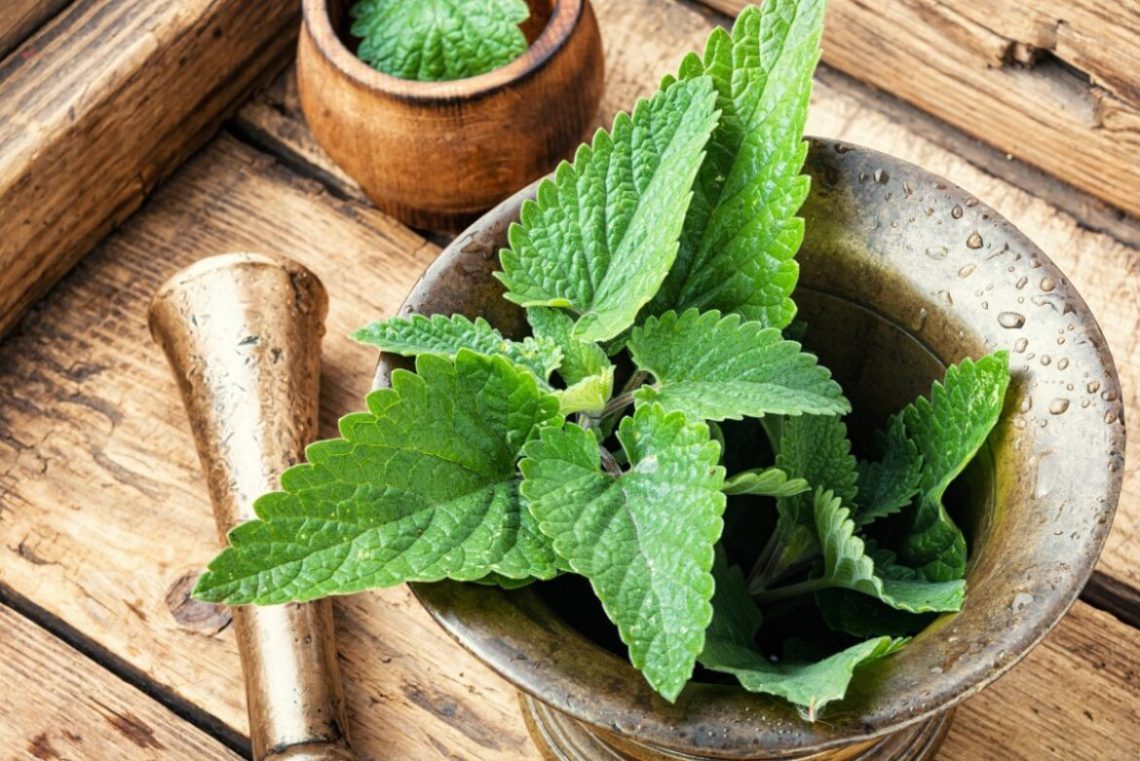
During hectic times, when stress impacts sleep, digestion, and emotional stability, lemon balm tea becomes a reliable ally. This pleasantly lemon-scented plant is known for its calming effects on the nervous system, having been used since ancient times to soothe the soul and mind. In this article, you will discover how lemon balm acts during intense stress, how to prepare the tea correctly, and what recommendations exist for effective consumption.
Benefits of Lemon Balm Tea During Periods of Intense Stress
1. Regulates Cortisol Levels – The Stress Hormone
Cortisol is the hormone released during stressful moments, and elevated levels over the long term can affect the heart, immune system, and digestion. Regular consumption of lemon balm tea helps balance this hormone, reducing the body’s continuous state of alertness. The flavonoids and phenolic acids in the plant act on the adrenal glands, calming the stress response. Through this mechanism, lemon balm promotes a return to physical and emotional balance.
2. Calms the Nervous System and Reduces Agitation
Lemon balm has a mild sedative effect without inducing excessive drowsiness during the day. It is ideal for hyperactive, agitated individuals with repetitive thoughts or mild anxiety. Active principles such as rosmarinic acid and essential oils stimulate GABA activity (a calming neurotransmitter) in the brain. Thus, lemon balm tea is effective in relaxing the mind without compromising mental clarity.
3. Improves Sleep Affected by Stress
Stress is one of the main causes of insomnia. Drinking lemon balm tea in the evening, 30-60 minutes before bedtime, contributes to inducing a deeper and more restful sleep. It works synergistically with the body’s natural melatonin and reduces the time needed to fall asleep. It is often used in combination with other herbs like linden or lavender, but even on its own, it provides excellent results.
4. Relieves Digestive Disturbances Due to Stress
Intense stress can trigger bloating, intestinal spasms, nausea, or even irritable bowel syndrome. Lemon balm has carminative and antispasmodic properties, helping to relax the smooth muscles in the digestive tract. Additionally, it stimulates gastric secretions naturally without irritating the mucosa. Thus, individuals with sensitive stomachs during stressful periods experience noticeable relief.
5. Provides Mental Clarity and Improves Concentration
Contrary to expectations, lemon balm does not dull the mind but helps it function more clearly during stressful times. This effect is possible due to neuroprotective compounds that enhance brain activity. The tea helps reduce mental fatigue, confusion, and irritability that arise during tense periods.
6. Regulates Heart Palpitations Caused by Stress
Many people experience palpitations or an accelerated heart rate when under pressure. Lemon balm tea has mild sedative effects on the heart by reducing the excitability of the sympathetic nervous system. Thus, heart rates return to normal without medication if stress is the primary cause.
7. Reduces Blood Pressure Associated with Mental Stress
Lemon balm promotes the dilation of blood vessels and relaxation of arterial walls, leading to a slight decrease in blood pressure. This effect is particularly useful for those who experience elevated blood pressure due to stress.
Relevant Studies on Lemon Balm and Mental Stress
Study Published in Phytotherapy Research (2004)
A group of researchers demonstrated that the extract of Melissa officinalis (lemon balm) reduced anxiety and improved mood among healthy participants subjected to stress. Administration of 600 mg of extract was associated with a better state of calm and mental alertness.
Study in Journal of Ethnopharmacology (2011)
The neurochemical effect of lemon balm was analyzed, and it was found that rosmarinic acid influences GABA activity, having a similar effect to some mild anxiolytics but without side effects.
Study Published in Nutrients (2021)
This research demonstrated that supplementation with lemon balm in individuals with moderate stress led to a reduction in symptoms of anxiety, muscle tension, and irritability without negatively affecting alertness.
Randomized Clinical Trial (2014)
Participants who consumed 12 cups of lemon balm tea daily reported a significant improvement in sleep and a reduction in mental fatigue after 15 days of administration.
Meta-Analysis (2023) Published on ScienceDirect
This synthesized multiple studies regarding lemon balm and stress, concluding that the plant is effective in reducing psychological and somatic stress in healthy individuals or those with mild conditions.
Preparation Method
Ingredients
- 1 tablespoon of dried lemon balm leaves (or 12 tablespoons of fresh leaves)
- 250 ml of boiling water
Preparation
Add the lemon balm leaves to a cup and pour boiling water over them. Cover and let steep for 7-10 minutes. Strain and consume warm.
Optional: You can add a slice of lemon or half a tablespoon of honey, to taste.
How to Correctly Consume Lemon Balm Tea
- For general stress: 2 cups a day, in the morning and evening.
- For sleep: 1 cup in the evening, 30-60 minutes before bedtime.
- For digestive symptoms: 1 cup after meals, 1-2 times a day.
Cures of 2-3 weeks are recommended, followed by breaks of 1 week.
Contraindications and Precautions
- Administration is not recommended in parallel with sedatives or antidepressants without medical advice.
- Pregnant women and those who are breastfeeding should consult a doctor before regular consumption.
- It may cause mild drowsiness in some individuals; avoid combining with alcohol or activities that require immediate concentration.
- Individuals with hypothyroidism should avoid daily consumption, as lemon balm may interfere with thyroid hormones.
Sources
- Phytotherapy Research – The psychopharmacological profile of an extract of Melissa officinalis
- Journal of Ethnopharmacology – Melissa officinalis extract modulates mood and cognitive performance
- ScienceDirect – Melissa officinalis for stress and anxiety: A systematic review
- Nutrients – A Randomized, Double-Blind, Placebo-Controlled Trial on Lemon Balm Supplementation




