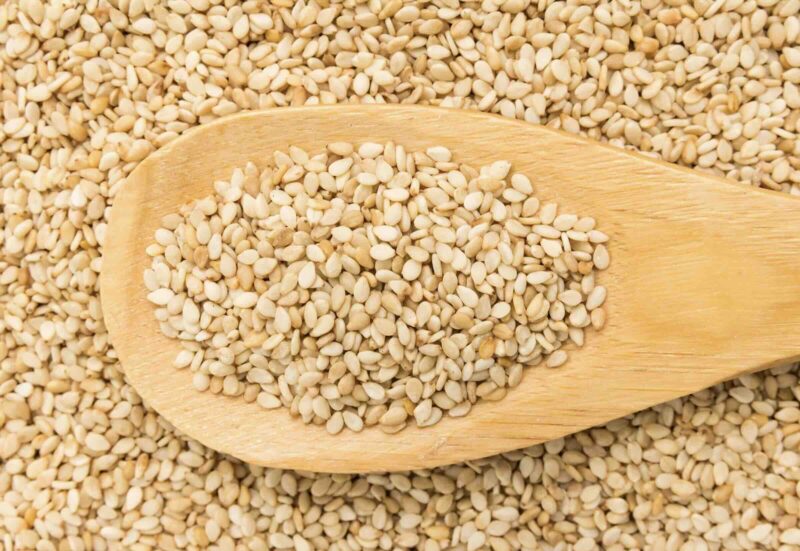
Sesame seeds, known and appreciated for thousands of years in oriental medicine, are a true tonic for the skeletal system. Due to their exceptional content of calcium, magnesium, phosphorus, and zinc, these small seeds have been used in ancient recipes to prevent and combat bone fragility. The recipe below is simple, natural, and extremely effective—a true living calcium from nature. Regular consumption can support bone health, especially during critical periods such as menopause, osteopenia, or osteoporosis.
Benefits of Sesame Seeds for Bones
1. Rich in Calcium, Essential for Bone Density
Sesame seeds contain over 8 times more calcium than milk, in their whole form (with the shell). This mineral is essential for maintaining bone structure and preventing demineralization. The calcium from sesame is well absorbed when the seeds are ground or soaked, unlike industrial forms that are harder to absorb. People who avoid dairy can greatly benefit from including sesame in their daily diet. Regular consumption prevents the occurrence of fractures and maintains the integrity of the joints.
2. Zinc Supports Bone Regeneration and Repairs Microfractures
Zinc plays a major role in bone mass formation and in the healing process after trauma. Sesame seeds contain approximately 10 mg of zinc per 100 g, making them an excellent source of this essential mineral. Studies show that zinc deficiency is associated with decreased bone density, especially in postmenopausal women. Zinc also contributes to the activation of osteoblasts, the cells that form new bone. In combination with calcium and magnesium, this mineral increases bone strength and reduces the risk of osteoporosis.
3. Magnesium in Sesame is Essential for Calcium Absorption
Without magnesium, calcium cannot be effectively utilized in the body. Fortunately, sesame provides this mineral in generous amounts, approximately 350 mg/100 g. Magnesium contributes to the mineral balance of the body and prevents abnormal calcification of soft tissues. It also helps relax muscles, preventing cramps that can occur during mineral deficiencies. For active individuals or the elderly, sesame can be a natural ally in maintaining mobility. Magnesium is also crucial for maintaining joint health.
4. Phosphorus: The Structural Mineral of the Skeletal System
Phosphorus is the second most important mineral in bone structure, after calcium. Sesame seeds provide approximately 600 mg of phosphorus per 100 g. This element helps maintain normal pH in the blood and activates enzymes involved in bone mineralization. Adequate phosphorus intake helps prevent bone loss in cases of unbalanced diets. In combination with calcium and vitamin D, phosphorus supports the harmonious development of the skeleton in children and adolescents. In adults, it prevents demineralization and maintains bone elasticity.
5. Fatty Acids in Sesame Reduce Joint Inflammation
In addition to minerals, sesame seeds also contain unsaturated fatty acids, especially omega-6, which have anti-inflammatory effects. They contribute to reducing joint pain and chronic inflammation, especially in people with arthritis. Inflammation is a key factor in the degradation of cartilage and bone tissue. By reducing it, sesame can prevent the progressive degradation of joints. Regular consumption can sometimes replace the need for supplements or synthetic anti-inflammatories.
Important Study: Sesame Seeds and Bone Density
A study published in International Journal of Rheumatic Diseases (2013) investigated the effects of sesame seed consumption in patients with knee osteoarthritis. For 2 months, 50 patients received 40 g of sesame seeds daily, while the control group continued standard medication treatment. At the end, the group consuming sesame showed a significant decrease in pain and an improvement in mobility.
The authors noted that sesame positively influenced not only inflammatory symptoms but also biochemical markers of bone density. This effect is explained by the presence of lignans (such as sesamin) and minerals. The study also highlighted that sesame has antioxidant effects, reducing oxidative stress associated with cartilage deterioration. Participants did not report adverse reactions, confirming the safety of long-term consumption. Additionally, an increase in exercise capacity was observed, indicating improved joint function. The conclusion was that sesame seeds can represent a valuable natural adjunct in bone disorders.
Old Recipe with Sesame Seeds for Strengthening Bones
Ingredients:
-
5 tablespoons of sesame seeds (with the shell)
-
1 tablespoon of raw honey
-
1 tablespoon of fresh lemon juice (optional)
Preparation Method:
-
Lightly toast the seeds in a dry pan (1-2 minutes) to activate their compounds.
-
Let them cool and then grind them finely.
-
Mix the resulting powder with honey and lemon juice.
-
Store in a glass jar in the refrigerator.
Dosage:
Take 1 tablespoon in the morning on an empty stomach for 30 days. It can be repeated in cycles of 3 months, with breaks of 2 weeks in between.
Contraindications
-
Allergy to Sesame is one of the most common food allergies, especially among children.
-
People with Hyperparathyroidism Excess calcium in the diet can worsen hormonal imbalance.
-
Kidney Stones (Calcium Oxalate) Sesame seeds can increase calcium intake, being contraindicated in certain forms of kidney stones.
-
Diabetes Although healthy, sesame seeds are caloric and should be consumed in moderation.
-
Digestive Disorders In cases of irritable bowel syndrome, whole seeds can cause bloating or discomfort if not well ground.
Sources:
-
International Journal of Rheumatic Diseases The effect of sesame consumption on clinical signs in patients with knee osteoarthritis
-
The Impressive Health Benefits of Sesame Seeds
-
Nutrition Facts and Health Benefits of Sesame Seeds
-
Zinc and Bone Health
-
Sesame Seeds Nutrition, Benefits & How to Use Them




