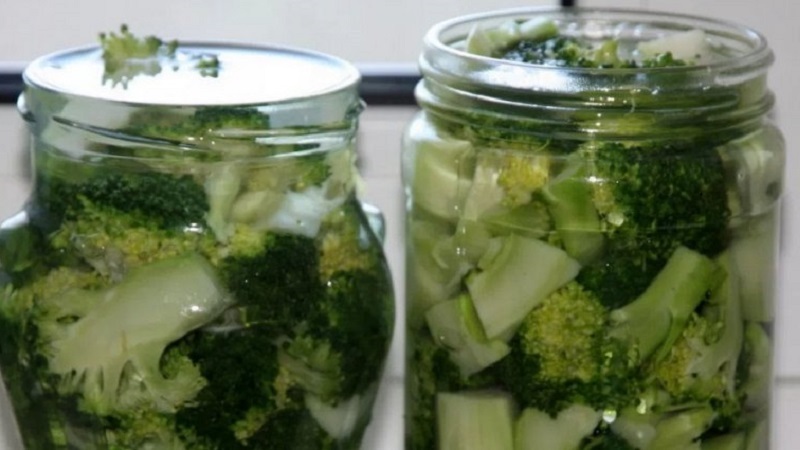
Did you know that broccoli, a symbol of healthy eating, can be preserved through pickling without losing its essential properties? The fermentation process transforms the vegetable into a true natural probiotic, maintaining its crunchiness and adding extra benefits for intestinal flora. In recent years, more studies have shown that natural pickles are not just tasty side dishes but also real support for the immune and digestive systems. Pickled broccoli successfully combines a slightly spicy flavor with high nutritional value, making it an excellent choice for the cold season.
Benefits of Consuming Pickled Broccoli
1. Supports the Immune System
Through the natural fermentation process, broccoli develops beneficial bacteria such as Lactobacillus, which help maintain the balance of intestinal flora. This balance is closely linked to the functioning of the immune system, as over 70% of immune cells are located in the intestines. Regular consumption of pickled broccoli stimulates the production of antibodies and reduces the risk of seasonal infections. Additionally, the vitamin C content remains significant even after pickling, supporting cellular protection.
2. Improves Digestion
Fermentation transforms the natural sugars in broccoli into lactic acids, aiding digestion and reducing abdominal discomfort. These lactic acids promote the growth of friendly bacteria in the intestines, contributing to better nutrient absorption. People who suffer from bloating or slow digestion can benefit from regularly incorporating natural pickles into their diet. Pickled broccoli is also an excellent choice for gently detoxifying the body.
3. Contributes to Bone Health
Broccoli is an important source of calcium, magnesium, and vitamin K—essential combinations for bone density. Fermentation enhances the absorption of these minerals, making them more bioavailable. Additionally, the lactic acid formed during fermentation helps maintain a balanced pH, which is beneficial for joint health.
4. Has a Strong Antioxidant Effect
Pickled broccoli contains compounds such as sulforaphane, which retain their activity even after fermentation. These antioxidants protect cells against oxidative stress, slow down aging processes, and may reduce the risk of degenerative diseases. In combination with lactic bacteria, the antioxidant effect becomes even more pronounced, supporting the overall health of the body.
5. Regulates Blood Sugar Levels
Studies have shown that fermented foods can improve insulin sensitivity. Pickled broccoli slows down glucose absorption, contributing to the stabilization of blood sugar levels. It is a suitable choice for individuals looking to keep their blood sugar under control, especially during the cold season when diets tend to be richer in carbohydrates.
Studies and Research
Research published in the journal Frontiers in Microbiology (2021) has shown that fermented vegetables such as broccoli, cabbage, or cauliflower can become natural sources of probiotics. The study demonstrated that strains of Lactobacillus plantarum and Leuconostoc mesenteroides developed during fermentation can survive the acidic environment of the stomach and reach the small intestine, where they restore beneficial intestinal flora.
Another study conducted by University of Reading (2020) confirmed that sulforaphane, a bioactive compound in broccoli, remains stable during fermentation and even increases its bioavailability. This compound has been associated with DNA protection and a reduced risk of chronic inflammation.
Research published in Nutrients Journal (2022) analyzed the impact of fermented foods on the human microbiome. The results showed a significant increase in the diversity of beneficial bacteria in individuals who regularly consumed natural pickles, including broccoli. After 6 weeks, a decrease in inflammatory markers and an improvement in digestion were observed.
A Japanese team from Kyoto University (2023) highlighted that the fermentation of cruciferous vegetables contributes to the release of compounds with potential anticancer properties, such as isothiocyanates. The fermentation process activates enzymes that transform glucobrassicin into bioactive substances useful for cellular protection.
Overall, these studies confirm that pickled broccoli is not just a method of preservation but a way to amplify the nutritional and therapeutic benefits of the plant.
Simple Pickled Broccoli Recipe
Ingredients:
- 1 kg fresh broccoli florets
- 4 cloves of garlic
- 1 carrot sliced into rounds
- 1 small piece of horseradish
- 1 tablespoon mustard seeds
- 1 bay leaf
- water
- 1 tablespoon coarse salt per liter of water
Preparation Method:
- Wash the broccoli florets well and let them drain.
- Place them in a large jar along with the carrot, horseradish, garlic, bay leaf, and mustard seeds.
- Boil the water with the salt, let it cool slightly, and pour it over the vegetables.
- Seal the jar tightly and let it sit at room temperature for 2-3 days for fermentation, then store it in a cool place.
- After 7 days, the pickled broccoli is ready to eat—crunchy, slightly tangy, and full of life!
Contraindications
Pickled broccoli is not recommended for individuals with severe hypertension due to its salt content. Additionally, those suffering from kidney issues, gastritis, or ulcers should consume it in moderation. In cases of severe intestinal dysbiosis, it is advisable to introduce it gradually to avoid digestive discomfort. Pregnant women and those who are breastfeeding should consult a doctor before consuming fermented pickles.
Sources
- Frontiers in Microbiology Lactic Acid Bacteria in Fermented Vegetables
- University of Reading Effect of Fermentation on the Bioavailability of Sulforaphane in Broccoli
- Nutrients Journal Dietary Fermented Foods Enhance Gut Microbiota Diversity
- Kyoto University Fermentation of Cruciferous Vegetables and Formation of Bioactive Isothiocyanates



