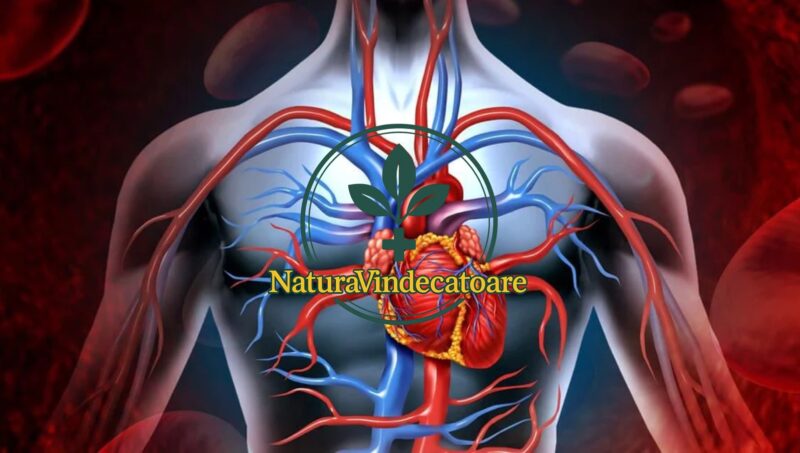
Blood circulation is essential for the proper functioning of the entire body. Poor circulation can lead to fatigue, cold extremities, low blood pressure, or muscle pain. Beyond medical treatments, some natural spices can effectively and quickly stimulate circulation. They work by dilating blood vessels, reducing inflammation, or thinning the blood. In this article, we present the best spices that support cardiovascular health, with detailed explanations and specialized studies.
1. Ginger
Benefits
Ginger is known for its stimulating effect on peripheral circulation, especially in the colder areas of the body. The active compounds in ginger, such as gingerol, contribute to the dilation of blood vessels, facilitating blood flow. Additionally, it has anti-inflammatory effects that reduce vascular stiffness. Ginger also helps reduce blood viscosity, thus preventing the formation of clots. It is particularly useful for individuals with cold hands and feet.
Study
A study published in Thrombosis Research (2015) demonstrated that administering ginger extract for 4 weeks significantly reduced platelet aggregation in patients with cardiovascular risk. The research involved participants divided into two groups: one received ginger extract, while the other received a placebo. The results showed a reduction in thromboxane, a compound that promotes coagulation, by over 35% in the ginger group. The authors concluded that ginger acts similarly to aspirin but without the side effects. Other research conducted in Australia showed improved peripheral blood flow in individuals who consumed ginger tea daily. The effect was particularly observed among people with Raynaud’s syndrome or poor peripheral circulation. Ginger also has the ability to reduce arterial inflammation by lowering inflammatory markers such as CRP and TNF-alpha, thus preventing artery narrowing and stiffening.
2. Cayenne Pepper
Benefits
Capsaicin, the active compound in cayenne pepper, is a powerful vasodilator. It stimulates circulation by increasing blood flow and lowering blood pressure. Additionally, it reduces cholesterol buildup on the walls of blood vessels. Cayenne pepper also helps strengthen vascular walls, making them more flexible and resilient. Furthermore, it alleviates the sensation of heavy legs and can improve symptoms of varicose veins.
Study
An analysis published in Journal of Clinical Nutrition (2018) highlighted the effects of capsaicin on blood vessels and cardiovascular metabolism. The study included patients with mild hypertension who were monitored for 3 months. Those who consumed capsaicin daily showed a significant reduction in systolic blood pressure and an improvement in endothelial function. Researchers also observed a decrease in vascular inflammation and an increase in nitric oxide levels, responsible for relaxing arteries. Another study conducted in South Korea showed that cayenne pepper stimulates heat production in the body, thus improving peripheral circulation. In individuals with cold hands and feet, a 20% increase in blood flow to the extremities was noted after consuming capsaicin. In the long term, moderate consumption of cayenne pepper may reduce the risk of cardiovascular diseases and stroke.
3. Garlic
Benefits
Garlic is considered one of the most effective spices for vascular health. It lowers blood pressure and prevents the formation of atheromatous plaques. Compounds such as allicin help thin the blood and improve blood flow. Garlic stimulates the synthesis of nitric oxide, promoting artery relaxation. Additionally, it lowers levels of bad LDL cholesterol and increases good HDL cholesterol.
Study
A large study published in Atherosclerosis (2017) analyzed the effect of garlic on blood vessels in patients with atherosclerosis. The research involved 210 participants who consumed 800 mg of garlic extract daily for 12 months. At the end, a regression of atherosclerotic plaques was observed in 56% of participants. Additionally, total cholesterol levels decreased on average by 18%. Other studies conducted in Germany showed that garlic improves arterial elasticity by up to 40%. Furthermore, it reduces the risk of thrombosis and heart attack. Positive effects were particularly observed in individuals with hypertension and diabetes.
4. Turmeric
Benefits
Curcumin in turmeric has a strong anti-inflammatory effect, protecting the endothelium of blood vessels. It helps prevent excessive blood clotting and improves its fluidity. Additionally, it reduces oxidative stress, which affects cardiovascular health. Turmeric stimulates circulation, especially in the brain, and is also useful in preventing dementia. When combined with black pepper, the absorption of curcumin is significantly enhanced.
Study
A study conducted in Japan and published in American Journal of Hypertension (2014) investigated the effect of turmeric on blood pressure and cerebral blood flow. Participants received 200 mg of curcumin daily, and after 6 weeks, a significant improvement in cerebral circulation and a decrease of 10 mmHg in mean blood pressure were observed. Additionally, an increase in nitric oxide levels was recorded, indicating the dilation of blood vessels. Another study published in Nutrition Research highlighted a decrease in inflammatory markers and a reduction in arterial stiffness in patients with metabolic syndrome who received turmeric. Studies thus support its preventive role in cardiovascular diseases.
Important Contraindications
- Ginger and cayenne pepper can irritate the gastric mucosa and are contraindicated in gastritis, ulcers, or reflux.
- Garlic and ginger may interact with anticoagulants; it is recommended to consult a doctor.
- Turmeric is contraindicated in cases of biliary lithiasis (gallstones) as it may stimulate bile secretion.
- Avoid using these spices in large quantities if you are undergoing medication for blood pressure or circulation.
- Do not administer these spices to young children or during pregnancy without medical advice.
Nutritional Table (average values per 100g for dried spices)
| Spice | Calories | Vitamin C | Iron (mg) | Potassium (mg) | Main Antioxidants |
|---|---|---|---|---|---|
| Ginger | 80 | 5 mg | 0.6 | 415 | Gingerol |
| Cayenne Pepper | 282 | 76 mg | 14 | 2014 | Capsaicin |
| Garlic | 149 | 31 mg | 1.7 | 401 | Allicin |
| Turmeric | 312 | 0 mg | 55 | 2080 | Curcumin |




