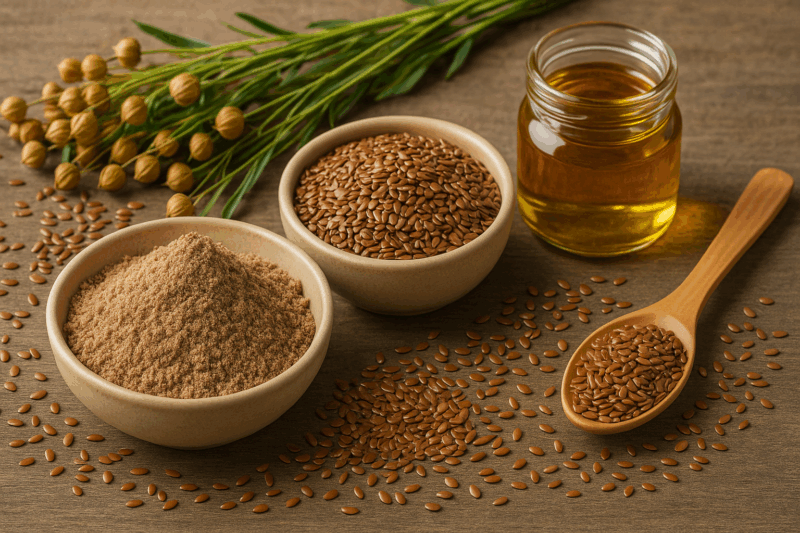
In a world where white flour dominates supermarket shelves, there exists a type of flour that is forgotten but has remarkable health benefits: flaxseed flour. This flour is considered a true ally in weight maintenance, colon cleansing, and supporting digestive health, being extremely rich in fiber, essential fatty acids, and antioxidants. Unlike refined flours, flaxseed flour not only does not make you gain weight, but it also has a profound detoxifying effect on the large intestine.
Remarkable Nutritional Value
Flaxseed flour is obtained by grinding flaxseeds after the oil is extracted, making it rich in both soluble and insoluble fiber, while being low in fat. Its composition is extremely balanced:
| Nutrient (per 100 g) | Approximate Amount |
|---|---|
| Dietary Fiber | 27-35 g |
| Proteins | 30-35 g |
| Carbohydrates (slow absorption) | 10-15 g |
| Fats | 10-12 g (in minimal form) |
| Omega-3 Fatty Acids | present (in small amounts) |
| Lignans (antioxidants) | high amount |
Main Benefits Explained in Detail
1. Does Not Make You Fat, Supports Metabolism, and Reduces Appetite
Flaxseed flour has a low caloric content compared to white flour, but it is extremely filling. Due to its high fiber content, it swells in the stomach, providing a lasting feeling of fullness. This helps reduce food portions and control cravings for sweets or unhealthy snacks. The soluble fibers in flaxseed flour slow down sugar absorption, thus preventing sharp spikes in blood sugar, an essential factor in the fight against weight gain.
2. Deeply Cleanses the Colon
Flaxseed flour acts as a natural brush for the intestines, promoting the elimination of residues accumulated on the walls of the colon. Insoluble fibers stimulate intestinal peristalsis, while soluble fibers absorb toxins and eliminate them easily from the body. When consumed regularly, it helps regulate intestinal transit, reduces constipation, and prevents the appearance of diverticula or colon polyps.
3. Regulates Blood Sugar and Prevents Insulin Resistance
Consuming flaxseed flour is especially beneficial for people with type 2 diabetes or at risk of glycemic imbalance. Its soluble fibers form a gel in the digestive tract that slows down glucose absorption, preventing dangerous blood sugar spikes. Several studies have shown that incorporating flaxseed flour into the diet helps lower glycosylated hemoglobin (HbA1c), an important marker of glycemic control.
4. Protects and Regenerates the Intestinal Mucosa
In addition to physically cleansing the colon, this flour has regenerative effects on the intestinal mucosa due to its lignan and antioxidant content. These reduce inflammation and create a favorable environment for the repair of epithelial cells. It is extremely useful for individuals suffering from irritable bowel syndrome, bloating, or intestinal inflammation.
5. Contributes to Balancing Intestinal Flora
Flaxseed flour also acts as a prebiotic, providing nourishment for beneficial bacteria in the intestines. This contributes to a balanced intestinal microbiota, which directly influences immunity, digestion, and even mental state. A healthy colon means more efficient nutrient absorption and an increased capacity to eliminate toxins.
6. Helps Reduce LDL Cholesterol
Due to its rich content of fiber and lignans, flaxseed flour reduces cholesterol absorption in the intestines and promotes its elimination. It also contains small but active amounts of omega-3 fatty acids, which protect blood vessels and reduce cardiovascular risk.
7. Has Anti-Inflammatory Effects on the Digestive System
In addition to its prebiotic effects, flaxseed flour also has a mild anti-inflammatory effect due to its lignans and antioxidants. This is useful in preventing inflammatory bowel diseases, such as colitis or Crohn’s disease, and in alleviating general gastric discomfort.
8. A Natural Ally in Detoxification
Due to its fibers, lignans, and bioactive compounds, this flour supports the detoxification of the liver and colon. It helps eliminate lipophilic toxins and heavy metals from the body without stressing the organs. It is useful in detoxification regimens and in supporting the body after medical treatments.
How to Use Flaxseed Flour
-
Recommended Dose: 1-2 tablespoons per day, preferably in the morning, with water or added to yogurt, smoothies, salads, or soups.
-
Hydration is Essential: consume with a large glass of water to activate the fibers.
-
Duration: can be consumed daily, in cycles of 3-4 weeks, followed by breaks of 1-2 weeks.
-
In Recipes: can be added to dough for bread, cookies, pancakes, or even as an egg substitute in vegan recipes.
Contraindications and Precautions
-
Individuals with intestinal obstructions or severe inflammatory bowel conditions (such as active Crohn’s disease) should avoid consumption.
-
Pregnant women should consult a doctor before use, due to the content of phytoestrogens (lignans).
-
It is not recommended to combine with anticoagulant treatments without a doctor’s advice, as it may influence their absorption.
-
Overdose may lead to bloating, gas, and abdominal discomfort.
Relevant Studies
-
Flaxseed dietary fiber: characterization, antioxidant activity, and effect on cholesterol metabolism Journal of Medicinal Food, 2010
This study showed that the fibers in flaxseed flour have the ability to reduce total and LDL cholesterol levels by up to 15% among participants who consumed flaxseed flour for 8 weeks. -
Flaxseed and its lignan reduce blood pressure and improve glycemic control Hypertension, 2013
The study showed a significant decrease in blood pressure and blood sugar levels in patients who included 30 g of flaxseed flour in their daily diet. -
Role of flaxseed dietary fiber in improving bowel health and regularity Nutrition Research Reviews, 2008
The authors highlighted the ability of flaxseed flour to improve intestinal transit and reduce symptoms of irritable bowel syndrome by increasing stool frequency and reducing abdominal discomfort.




