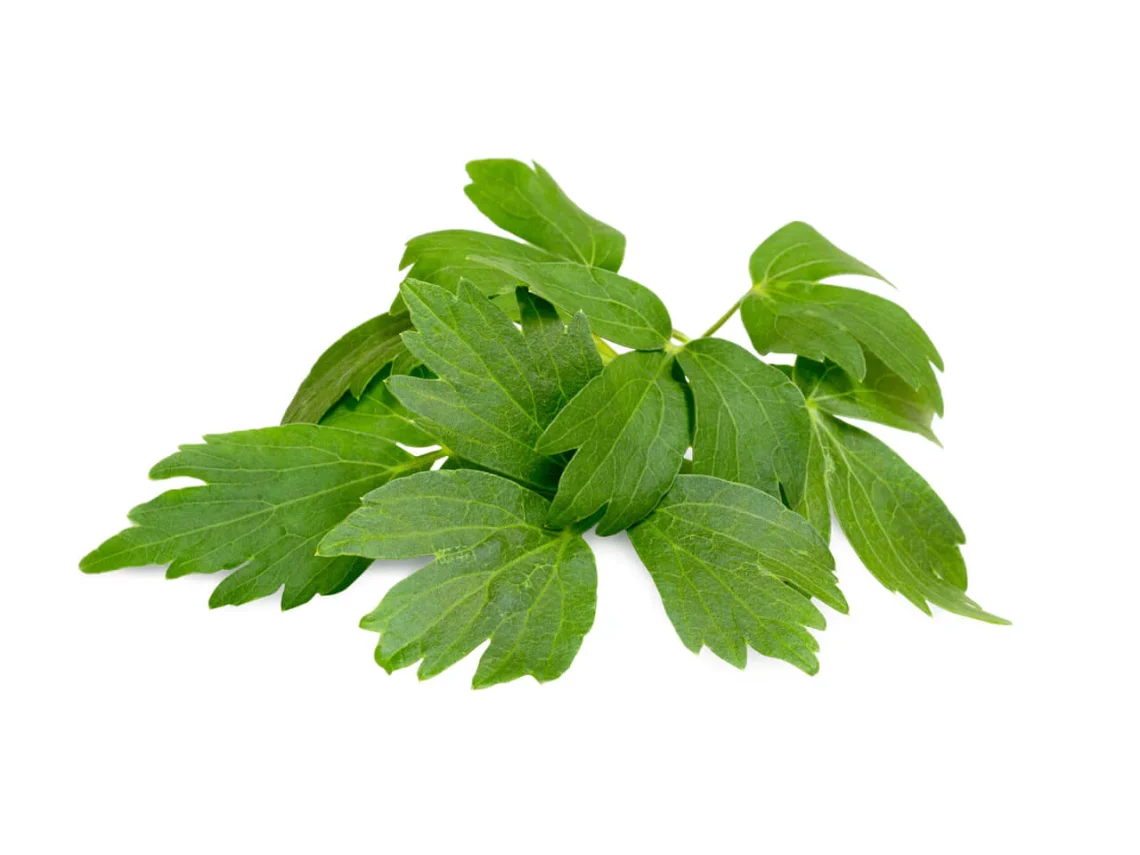
Lovage is primarily known for its intense flavor in soups, but few know that in the past, it was used as a medicinal plant with strong action against joint ailments. In Romanian villages, women would place leaves and roots of lovage in warm baths to relieve bone pain, rheumatism, and chronic fatigue. This practice was based on the anti-inflammatory, diuretic, and detoxifying effects of the plant, which are rapidly absorbed through the skin during baths. Today, this use of lovage is almost forgotten, but modern studies confirm its ancient wisdom.
Benefits of Lovage Baths for Rheumatism
1. Alleviation of Joint Inflammation
Lovage contains compounds with anti-inflammatory properties, such as phthalides, coumarins, and volatile oils. These compounds act by reducing the levels of pro-inflammatory prostaglandins in tissues. Baths with lovage allow for the transdermal absorption of these substances, contributing to the reduction of local inflammation. The effect is especially noticeable in cases of back, knee, or hip pain. A bath with lovage after a day of physical work can quickly reduce stiffness and the sensation of joint pressure.
2. Stimulation of Peripheral Circulation
Warm baths with lovage have a vasodilating effect on the capillaries and arteries in the skin and joints. This effect stimulates blood circulation in areas affected by rheumatism, contributing to the oxygenation of tissues. Improved circulation helps eliminate toxins more efficiently and reduces swelling. It is an important support for individuals with cold limbs, numbness, or sensations of discomfort with temperature changes. Additionally, it stimulates lymphatic drainage, which enhances the detoxifying effect.
3. Detoxification of the Skin and Deep Tissues
Lovage is a natural diuretic, but in contact with the skin, it also aids in detoxification through sweating. During baths, the pores open, and the active substances in lovage (especially the volatile oils) penetrate the skin and stimulate the elimination of toxins. This process reduces muscle tension and eliminates inflammatory residues around the joints. Individuals with gout, arthritis, or other forms of acute rheumatism may notice an improvement in symptoms after a few baths. Sustained detoxification also leads to a reduction in systemic inflammation.
4. Relaxing and Anti-Stress Effect
The intense and slightly spicy aroma of lovage has a calming effect on the nervous system. Inhaling the vapors from lovage baths reduces anxiety and has a mild sedative effect, promoting sleep. At the same time, deep muscle relaxation can help in cases of contractions or neuro-muscular pain. Chronic stress is an aggravating factor for rheumatism, and this relaxing effect can have a positive indirect impact on joint pain. A bath of 20-30 minutes can successfully replace a mild sedative or a sleeping pill.
5. Improvement of Joint Mobility
By reducing inflammation and pain, baths with lovage contribute to the recovery of mobility in stiff joints. Individuals with rheumatoid arthritis or ankylosing spondylitis can benefit from a weekly routine with external baths. Mobilizing the joints immediately after bathing helps restore their functionality. In combination with an anti-inflammatory diet and gentle movement, the effects can become visible over time. Lovage thus becomes a real ally in managing chronic symptoms without the side effects of medication.
Recent Study: Anti-Inflammatory and Antioxidant Activity of Lovage
A study published in Journal of Ethnopharmacology (2023) analyzed the phytochemical composition of extracts from Levisticum officinale and their biological activity on inflammatory models. Researchers identified over 20 bioactive compounds, including phthalides (ligustilide), caffeic acid, quercetin, and camphor. These compounds demonstrated a strong inhibitory effect on enzymes involved in inflammation, such as COX-2 and 5-LOX.
In animal models, the extract of lovage significantly reduced artificially induced inflammation compared to placebo. The effects were comparable to those of synthetic non-steroidal anti-inflammatory drugs but without gastric side effects. Additionally, a decrease in systemic inflammatory markers, such as interleukin-6 and TNF-alpha, was noted.
The study highlights the potential for external use of lovage, especially in the form of baths, as a natural alternative in rheumatism therapy. The authors recommend including this plant in current phytotherapy, including for external use, due to its increased bioavailability through the skin. This type of application can be very effective in complementary treatments for arthritis, osteoarthritis, and other chronic inflammatory forms.
How to Prepare Lovage Baths
Ingredients:
-
2 large handfuls of fresh lovage leaves (or 3 tablespoons of dried plant)
-
1 liter of water
Preparation Method:
-
Boil the plant for 15 minutes.
-
Let it infuse for another 10 minutes with the lid on.
-
Strain and pour the liquid into warm bath water or into a basin for foot baths.
-
Soak in the bath for 20-30 minutes.
Contraindications
-
Lovage is contraindicated for individuals allergic to plants in the Apiaceae family (such as celery, parsley).
-
Pregnant women should avoid lovage baths due to its mild emmenagogue effect (stimulating menstruation).
-
Not recommended in cases of open wounds or skin infections.
-
Individuals with very low blood pressure should avoid prolonged hot baths with lovage.
-
In cases of severe kidney conditions, the use of natural diuretics (including externally) should be done with caution and under medical supervision.




