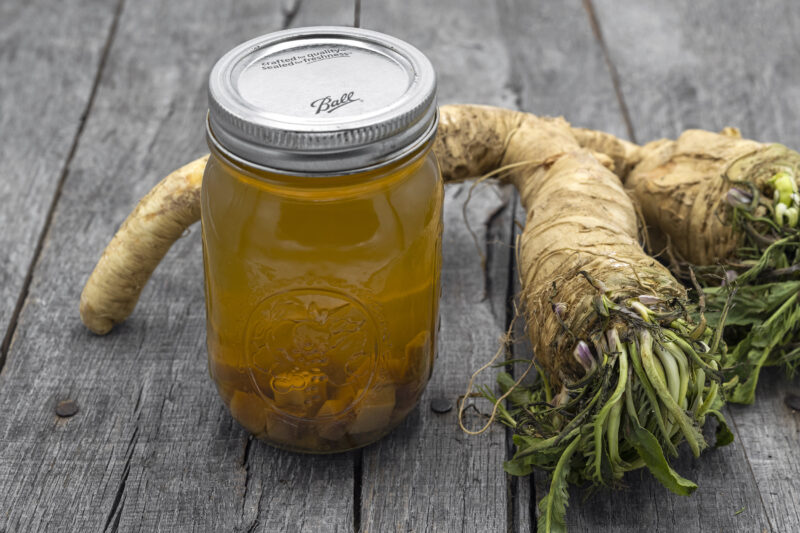
In autumn, in the households of the past, a cure with horseradish and honey was never missing. This simple yet powerful mixture was used to strengthen immunity, treat respiratory ailments, and combat inflammation. Horseradish, considered a natural antibiotic, combined with raw honey, was an effective solution to prepare the body for the cold season. Although the recipe seems simple, its effects are today demonstrated through scientific research. In the following lines, you will discover the real benefits of this cure, the correct preparation method, how to administer it, and who should avoid it.
Benefits of the Horseradish and Honey Cure
1. Supports Respiratory Health
The mixture of horseradish and honey is a traditional remedy known for decongesting sinuses and soothing coughs. Horseradish has an expectorant effect, which means it helps eliminate secretions from the bronchi and lungs. At the same time, honey has antimicrobial properties that reduce inflammation and irritation of the throat. This combination acts quickly on inflamed mucous membranes and contributes to nasal decongestion. When used regularly, the cure prevents respiratory infections and alleviates symptoms in the case of seasonal viruses.
2. Strengthens the Immune System
Horseradish is rich in vitamin C, sulfur compounds, and glucosinolates, which stimulate the production of immune cells. Honey adds powerful antioxidants and enzymes that help combat free radicals. The combination of these two ingredients supports the body in fighting bacteria and viruses, making it an ideal aid during the cold months. The cure is especially effective at the beginning of the cold season when the immune system needs support. Daily administration prevents the onset of infections and reduces the severity of flu symptoms.
3. Stimulates Digestion and Reduces Bloating
Horseradish stimulates the production of gastric and bile juices, facilitating the digestion of heavier foods. It has a carminative effect, which means it helps eliminate gas from the digestive tract. Honey regulates intestinal transit and soothes mucosal inflammation. The combination of these two ingredients can reduce symptoms of dyspepsia, including bloating and the feeling of heaviness after meals. It is especially recommended after rich meals or during periods of heavy eating.
4. Detoxifies the Liver and Cleanses the Blood
The sulfur compounds in horseradish activate the enzymes involved in liver detoxification. These compounds contribute to the breakdown and elimination of toxins from the body. Honey supports liver function through its content of antioxidants and essential minerals. The horseradish and honey cure can be a natural option for a gentle autumn detox, especially when combined with a balanced diet. A cure of at least 7 days is recommended for visible effects.
5. Regulates Blood Pressure and Stimulates Circulation
Horseradish has vasodilatory properties, which help improve blood circulation. At the same time, it can contribute to a slight decrease in blood pressure due to its potassium content. Honey supports the health of blood vessels and prevents the oxidation of bad cholesterol (LDL). The cure can have a tonic effect on the cardiovascular system, especially when combined with a healthy lifestyle. It is recommended for individuals with poor peripheral circulation or fluctuating blood pressure, but only with a doctor’s approval.
Relevant Study: Horseradish: Review of its Phytochemistry and Pharmacology
A study published in the Journal of Pharmacognosy and Phytochemistry in 2021, titled Horseradish: Review of its Phytochemistry and Pharmacology, analyzed in detail the active compounds of horseradish and its therapeutic effects. The authors emphasized that horseradish contains glucosinolates, which, once consumed, transform into isothiocyanates—substances with antimicrobial and antitumor effects. The study showed that horseradish has the ability to inhibit the growth of several types of bacteria, including Staphylococcus aureus, Escherichia coli, and Helicobacter pylori.
Additionally, the research analyzed the antioxidant activity of horseradish, noting that extracts from the plant’s root neutralize free radicals in a manner comparable to well-known antioxidants such as vitamin C. Researchers also highlighted the expectorant and anti-inflammatory effects of horseradish, explaining why it is effective in respiratory ailments. Lastly, the hepatoprotective properties of horseradish extract were analyzed, observing a reduction in liver enzymes in subjects with mild liver conditions.
The conclusion of the study was that horseradish represents a valuable source of bioactive compounds with multiple therapeutic effects, which deserve to be integrated into modern phytotherapy. Honey, combined with horseradish, enhances its effects and ensures a gentler absorption due to its texture and soothing properties.
Traditional Recipe
Ingredients:
-
100 g fresh horseradish root, grated
-
200 g raw honey from linden or wildflower
Preparation Method:
-
Clean and wash the horseradish well.
-
Grate the root finely and let it air for 10 minutes to activate the compounds.
-
Mix the grated horseradish with honey in a glass jar.
-
Seal tightly and store in the refrigerator.
-
Let the mixture macerate for 24 hours before consumption.
Administration Method
-
Recommended Dose: 1 tablespoon, 2-3 times a day, 30 minutes before meals.
-
Duration of the Cure: Between 7 and 14 days, with a break of at least one week before repeating.
-
For Respiratory Ailments: It can be taken 1 tablespoon in the morning and one in the evening for 10 days.
Contraindications
-
People with gastric ulcers, gastritis, or gastroesophageal reflux should avoid this cure.
-
Contraindicated in cases of severe hypertension, as it may stimulate excessive circulation.
-
Pregnant women and those who are breastfeeding should consult a doctor before administration.
-
Not recommended for children under 7 years due to the irritation that horseradish may cause.
-
Individuals allergic to bee products or sensitive to horseradish should avoid this combination.




