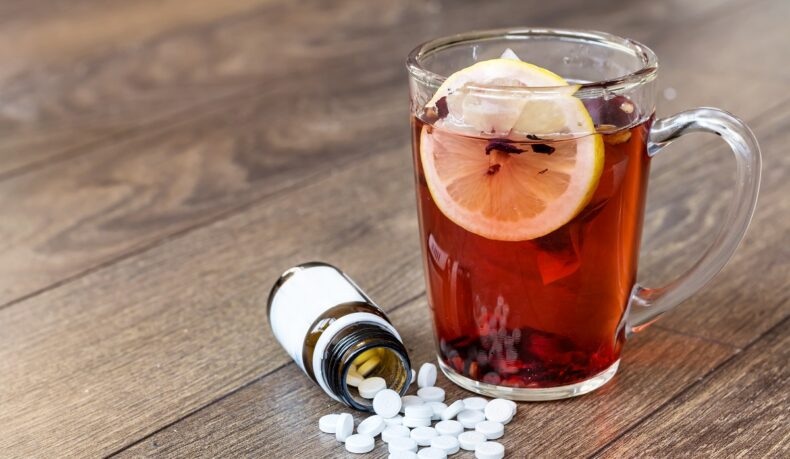
Natural remedies can be extremely effective, but sometimes they can become dangerous when improperly combined with certain medications. The fact that a plant is natural does not mean it is always safe. There are numerous documented interactions between medicinal plants and conventional medications, and some of them can lead to serious adverse effects, including bleeding, liver disorders, decreased treatment efficacy, or even poisoning. In this article, we present the most risky combinations and what should be avoided.
The Most Dangerous Combinations of Plants and Medications
1. St. John’s Wort + Antidepressants (MAO inhibitors or SSRIs)
St. John’s Wort (Hypericum perforatum) is known for its natural antidepressant effect, but it can severely interfere with conventional antidepressant medications. It stimulates the activity of liver enzymes that metabolize these medications, thereby reducing their concentration in the blood. This can lead to decreased treatment efficacy and the reappearance of depressive symptoms. Furthermore, in combination with SSRIs, it can cause serotonin syndrome, a dangerous condition characterized by agitation, fever, hypertension, and confusion.
Study: According to a meta-analysis published in Journal of Clinical Psychopharmacology (2017), St. John’s Wort can reduce the plasma levels of sertraline, fluoxetine, and paroxetine by up to 50%. Clinical studies have documented several cases of severe interactions, some resulting in hospitalization. The authors warn that self-medication with St. John’s Wort alongside psychiatric treatment can have serious consequences. They recommend strict medical supervision in such cases.
2. Ginkgo Biloba + Anticoagulants (Warfarin, Aspirin)
Ginkgo is used to improve circulation and memory, but it has a natural anticoagulant effect. In combination with medications such as warfarin or aspirin, this effect can be excessively amplified, increasing the risk of internal bleeding. Cases of cerebral hemorrhage have been reported in patients taking Ginkgo alongside anticoagulants.
Study: A report published in Neurology (2014) describes the case of a 72-year-old man who suffered a hemorrhagic stroke while taking Ginkgo and warfarin. The coagulation profile indicated exaggerated anticoagulant activity. Laboratory analysis showed that Ginkgo potentiates the effects of warfarin by inhibiting platelet aggregation and hepatic metabolism. The study recommends avoiding Ginkgo in patients undergoing anticoagulant treatment.
3. Garlic (raw or supplements) + Antihypertensive Medications
Garlic is known for its hypotensive effect, but its association with blood pressure medications can lead to severe hypotension, dizziness, or even fainting. This effect is more pronounced if garlic is consumed in large quantities or in concentrated capsule form.
Study: An analysis published in Phytomedicine (2018) showed that garlic extracts can reduce systolic blood pressure by up to 10 mmHg. In combination with beta-blockers or ACE inhibitors, this effect can be doubled. The study emphasizes that hypertensive patients wishing to consume garlic for therapeutic purposes should monitor their blood pressure daily and consult their doctor for dosage adjustments.
4. Ginseng + Insulin or Oral Antidiabetics
Ginseng has hypoglycemic effects and can lower blood sugar levels. In combination with antidiabetic treatments, it can lead to severe hypoglycemia, with symptoms such as tremors, weakness, confusion, and even loss of consciousness. The effect is more pronounced with standardized extracts and concentrated capsules.
Study: Research published in Diabetes Care (2016) showed that ginseng reduces postprandial blood sugar by up to 20% in patients with type 2 diabetes. Participants taking metformin or glibenclamide concurrently frequently experienced mild to severe hypoglycemic episodes. The authors concluded that ginseng can significantly interfere with diabetes treatments and should only be used with medical advice.
5. Licorice (Glycyrrhiza glabra) + Diuretics or Corticosteroids
Licorice can increase sodium retention and decrease potassium levels in the blood, and in combination with diuretics or corticosteroids, it can lead to severe hypokalemia. This can cause muscle weakness, arrhythmias, and hypertension. It can also exacerbate the side effects of cortisone.
Study: In a study published in Clinical Endocrinology (2015), patients who consumed licorice tea daily for 2 weeks experienced increases in blood pressure and significant decreases in serum potassium. In those treated with spironolactone or prednisone, the electrolyte imbalance was exacerbated. The study concludes that regular licorice consumption should be avoided by patients treated with medications that affect the hydroelectrolytic balance.
Other Dangerous Combinations to Avoid
| Plant | Medication | Possible Negative Effect |
|---|---|---|
| Echinacea | Immunosuppressants (e.g., cyclosporine) | Decreased treatment efficacy |
| Valerian | Sedatives, benzodiazepines | Excessive drowsiness, confusion |
| Milk Thistle | Oral contraceptives | Decreased contraceptive efficacy |
| Clove | Anticoagulants | Excessive bleeding |
| Cinnamon (in large amounts) | Antidiabetics | Severe hypoglycemia |
General Contraindications
- Avoid self-medication with medicinal plants if you are undergoing permanent allopathic treatment.
- Do not combine herbal supplements with medications without consulting a herbalist or pharmacist.
- Natural supplements can interfere with the absorption or metabolism of medications.
- Patients with chronic diseases (cardiac, renal, hepatic, autoimmune) are at the highest risk of interactions.
- Some plants can have cumulative effects in the body and disrupt long-term treatments.
Medicinal plants can be reliable allies in maintaining health, but only when used correctly. Understanding the interactions between plants and medications is essential for preventing serious adverse reactions. Always consult a specialist before combining natural remedies with conventional treatments. Safety should always come first.
Sources:
- Journal of Clinical Psychopharmacology Interactions between Hypericum and SSRIs
- Neurology Case report: cerebral hemorrhage associated with Ginkgo and warfarin
- Phytomedicine Effects of garlic extract on blood pressure in hypertensive patients
- Diabetes Care Impact of Panax ginseng on blood glucose control
- Clinical Endocrinology Liquorice-induced hypertension and hypokalemia




