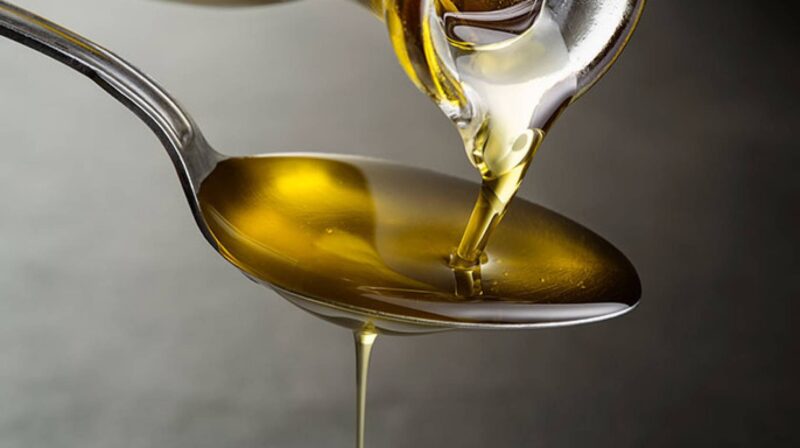
While extra virgin olive oil dominates recommendations for heart health, there is another type of oil that, although often overlooked, has remarkable cardioprotective effects: high oleic sunflower oil. This special variant, obtained from selected seeds, contains a high percentage of monounsaturated fats similar to those in olive oil, which help regulate cholesterol and protect blood vessels. Regular consumption in moderate amounts can be a significant change for cardiovascular health, supported by multiple recent scientific studies.
Benefits for the Heart and Cardiovascular System
1. Lowers LDL Cholesterol (Bad)
High oleic sunflower oil has a content of over 70% oleic acid, which reduces LDL cholesterol levels by improving lipid metabolism. This action helps prevent fat deposits in the arteries, lowering the risk of atherosclerosis. Consistent consumption, replacing saturated fats in the diet, is associated with a significant decrease in bad cholesterol levels. Over time, this effect reduces the risk of myocardial infarction. Compared to regular refined oils, the oleic variant maintains a significantly superior lipid profile.
2. Increases HDL Cholesterol (Good)
In addition to reducing LDL, oleic oil stimulates the increase of HDL, which plays a role in transporting excess cholesterol to the liver for elimination. This balance between LDL and HDL is essential for vascular health. An optimal level of HDL protects against the formation of atheromatous plaques. Studies show that a consistent intake of monounsaturated fatty acids improves the total cholesterol/HDL ratio. This effect becomes noticeable within a few weeks of regular consumption.
3. Reduces Vascular Inflammation
Chronic inflammation in blood vessels is a major cause of heart disease. Oleic oil contains natural anti-inflammatory compounds that reduce the production of inflammatory cytokines. By decreasing inflammation, it improves the flexibility of blood vessels and blood circulation. This property is essential for preventing hypertension and cardiac complications. The anti-inflammatory effect is comparable to that observed in the Mediterranean diet.
4. Improves Endothelial Function
The endothelium, the inner layer of blood vessels, plays a crucial role in regulating blood pressure and flow. Oleic oil helps maintain endothelial health, reducing arterial stiffness. Thus, the heart pumps blood more efficiently and with less effort. This effect is especially important for individuals at risk of heart failure. A healthy endothelium also prevents the formation of clots.
5. Lowers Blood Pressure
By reducing arterial stiffness and improving the elasticity of blood vessels, oleic oil contributes to lowering blood pressure. This effect is particularly observed in individuals with mild to moderate hypertension. The mechanism involves both reducing inflammation and optimizing the electrolyte balance in the body. Regular consumption can lead to decreases of 5-10 mmHg in blood pressure values. This reduction significantly lowers the risk of stroke.
6. Protects Against Oxidative Stress
Monounsaturated fatty acids, along with vitamin E present in oleic oil, reduce the oxidation of lipids in the blood. Oxidative stress is a major factor in the deterioration of blood vessels and the onset of heart disease. The antioxidants in the oil prevent the formation of free radicals and protect heart cells. This effect is amplified when the oil is consumed raw, in salads or added after cooking. Antioxidant protection contributes to slowing down cellular aging.
7. Supports Healthy Fat Metabolism
Oleic oil helps the liver process and eliminate excess fats. This leads to an optimal lipid profile and prevents fat accumulation around internal organs. The effect is beneficial for individuals with metabolic syndrome or insulin resistance. A balanced lipid metabolism means a protected heart in the long term. This process also contributes to maintaining a healthy weight.
8. Easy Integration into Diet
A major advantage is that high oleic sunflower oil has a neutral taste and fits into numerous dishes. It can be used both for cooking and in raw recipes without altering the flavor of the food. This versatility makes it easy to include daily. Replacing regular refined oils with the oleic variant brings evident benefits to the heart. Additionally, it has a relatively high smoke point, making it stable for light cooking.
Relevant Studies
-
American Journal of Clinical Nutrition (2019) – A study demonstrated that replacing saturated fats with oleic oil reduced LDL by 12% in 6 weeks. Researchers highlighted that the effect was due to changes in the composition of lipoproteins, which became more resistant to oxidation.
-
European Journal of Lipid Science and Technology (2021) – An analysis of 500 participants showed that a diet with 15% of calories from oleic acid improved endothelial function and reduced inflammatory markers CRP.
-
Harvard School of Public Health (2022) – A long-term study (over 20 years) showed that individuals who consistently consumed oils rich in oleic acid had a 21% lower risk of coronary events.
-
Journal of the American Heart Association (2020) – Confirmed that replacing refined oils with oleic oil increased HDL by 8% and reduced triglycerides by 15%.
-
Nutrients (2023) – Research highlighted that the antioxidant effects of oleic oil protect cellular DNA against oxidative damage, having a positive impact on cardiovascular longevity.
Contraindications
-
Individuals allergic to sunflower seeds should avoid this oil.
-
Excessive consumption (over 4 tablespoons/day) can lead to excessive caloric intake and body fat accumulation.
-
Intense frying is not recommended, as harmful compounds can form.
-
Patients with acute pancreatitis should avoid high fat intake, including oleic oil.
-
Individuals with severe liver disorders should consume in moderation, under medical supervision.
Consumption Method
-
Raw: 1-2 tablespoons per day, in salads, over vegetables or pasta.
-
Light Cooking: added towards the end of cooking to preserve properties.
-
Healthy Combinations: with green vegetables, fatty fish, or whole grains.
-
Alternation: use together with olive oil, avocado, or flaxseed for nutritional diversity.
Nutritional Table (100 ml of High Oleic Sunflower Oil)
| Nutrient | Amount |
|---|---|
| Energy | 884 kcal |
| Total Fats | 100 g |
| Saturated | 9.5 g |
| Monounsaturated | 83 g |
| Polyunsaturated | 7 g |
| Vitamin E | 41 mg |
| Omega-6 | 6.5 g |
| Cholesterol | 0 mg |
Sources:
-
American Journal of Clinical Nutrition Effects of high-oleic sunflower oil on plasma lipids
-
Harvard School of Public Health Long-term dietary oleic acid intake and cardiovascular risk
-
Journal of the American Heart Association Oleic acid and lipid metabolism
-
Nutrients Antioxidant properties of oleic acid-rich oils
-
European Journal of Lipid Science and Technology Dietary oleic acid and endothelial function




