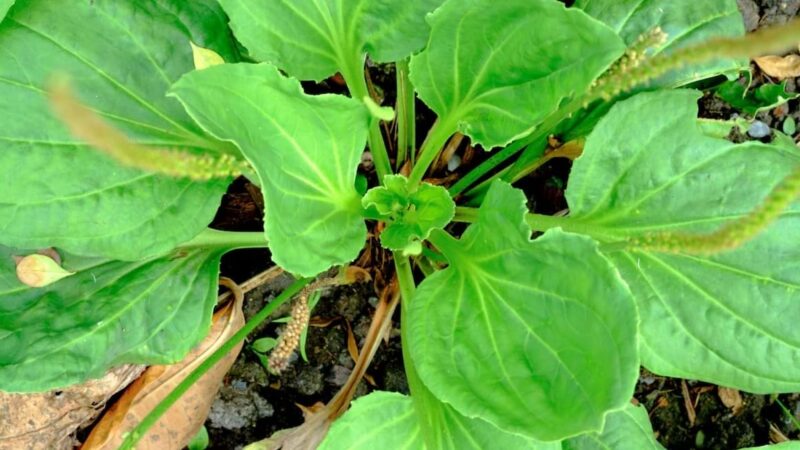
Plantain (Plantago major) is one of the most common plants in the world, growing spontaneously in gardens, along roadsides, in yards, on uncultivated land, and even between the cracks of sidewalks. Although many consider it a weed, plantain has been used for thousands of years as a remedy for pain, inflammation, and wounds. Its anti-inflammatory and analgesic properties are due to active compounds such as aucubin, ursolic acid, flavonoids, and mucilages, which act quickly when applied directly to the skin or consumed internally.
Benefits
1. Relieves Muscle and Joint Pain
Plantain has pronounced anti-inflammatory effects due to aucubin, which inhibits the release of inflammation mediators. When applied as a poultice made from crushed fresh leaves, it can reduce sensitivity and pain in the affected area in less than 30 minutes. It works by decreasing pressure on irritated nerve endings, providing a rapid calming sensation. Used for pain caused by sprains or muscle strains, it can accelerate the recovery process. Combined with rest and cold compresses, the effect lasts longer.
2. Reduces Pain and Inflammation from Insect Bites
Crushed fresh leaves applied directly to a bee, wasp, or hornet sting immediately relieve pain and burning sensation. The mucilages in the leaves form a protective film, while polyphenols inhibit the local inflammatory reaction. The effect usually appears within the first 5-10 minutes. Additionally, it reduces swelling and redness around the affected area. This method is highly valued in rural areas where the plant is readily available.
3. Alleviates Toothaches
Gargling with a concentrated infusion of plantain leaves can soothe toothaches caused by gum inflammation. Aucubin has antibacterial effects, reducing pathogenic flora in the oral cavity. By diminishing inflammation, it also decreases pain intensity, providing temporary relief until a dental consultation. Additionally, the tannins in the plant contribute to toning the gum tissues.
4. Accelerates Wound Healing and Reduces Local Pain
Plantain stimulates cellular regeneration due to its allantoin content. When applied directly, the leaf stops minor bleeding, calms pain, and prevents infection. Analgesia occurs quickly as the leaf acts both mechanically (cooling the area) and chemically (blocking pain receptors). In the past, it was used on the battlefield as a green first aid remedy.
5. Relieves Sore Throat Pain
Tea made from dried or fresh leaves reduces inflammation of the mucous membranes and pain when swallowing. The mucilages form a protective film on the throat, while phenolic acids combat pathogenic microorganisms. Repeated administration at intervals of a few hours can maintain the calming effect throughout the day.
6. Reduces Abdominal Cramps
Consuming plantain infusion helps relax the smooth muscles of the digestive tract. Aucubin and flavonoids reduce spasms, calming abdominal pain associated with colitis or gastritis. By reducing inflammation of the intestinal mucosa, the sensation of pain decreases significantly.
7. Alleviates Pain from Minor Burns
Fresh leaves applied to a superficial burn extract heat from the tissue and calm pain. At the same time, it reduces the risk of blister formation and accelerates skin regeneration. The calming effect is felt within a few minutes, and the subsequent sensation of itching is reduced.
8. Relieves Tension Headaches
Compresses with plantain infusion applied to the forehead or neck help relax blood vessels and reduce muscle tension. Phenolic acids and flavonoids improve local circulation, leading to a decrease in perceived pressure and pain.
Studies and Research
A study published in Journal of Ethnopharmacology (2019) evaluated the anti-inflammatory and analgesic effects of Plantago major extract. Researchers found that the active substances in the plant act on the biochemical pathways involved in pain perception, similar to the action of non-steroidal anti-inflammatory drugs. The study showed a significant reduction in edema and pain in experimental models, with effects starting rapidly, within 20-40 minutes after applying the extract.
Another study conducted by BMC Complementary Medicine and Therapies (2021) demonstrated that the local application of plantain poultice to patients with minor wounds led to a reduction in subjectively reported pain by over 60% within the first 30 minutes. The action was due to a combination of anti-inflammatory, astringent, and wound healing effects.
A clinical research study conducted in Iran (2017) confirmed the efficacy of plantain in relieving dental and gum pain, demonstrating a significant reduction in inflammation compared to commercial antiseptic solutions.
Contraindications
- Not recommended for individuals with known allergies to plantain or other plants in the same family.
- Pregnant women and those who are breastfeeding should consult a doctor before consumption.
- Excessive internal use is not recommended for individuals with very low blood pressure.
- Individuals on anticoagulant treatment should avoid high doses, as the plant may influence coagulation.
Nutritional Table (fresh leaves, 100 g)
| Nutrient | Amount |
|---|---|
| Water | 86 g |
| Protein | 2.4 g |
| Fiber | 3.5 g |
| Vitamin C | 23 mg |
| Vitamin K | 120 g |
| Calcium | 74 mg |
| Potassium | 480 mg |
Sources:
- Journal of Ethnopharmacology Anti-inflammatory and analgesic activities of Plantago major extract
- BMC Complementary Medicine and Therapies Topical application of Plantago major for wound healing and pain relief
- Iranian Journal of Basic Medical Sciences Analgesic effects of Plantago major in dental pain management




