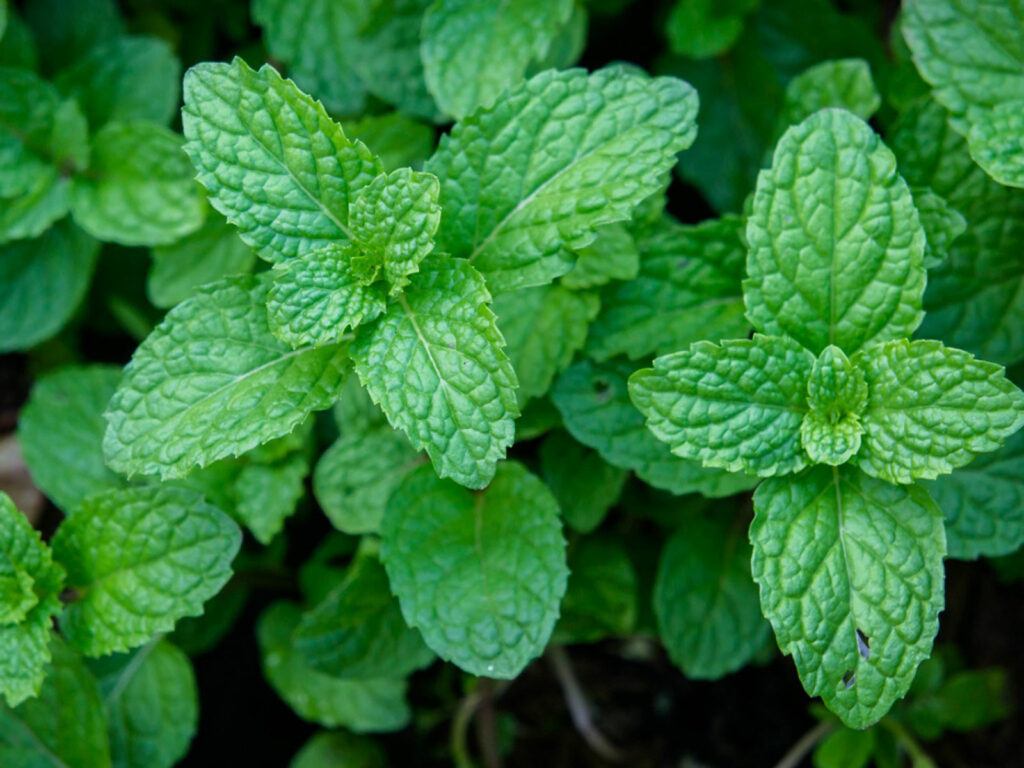
Bloating is one of the most common digestive discomforts, often caused by diet, stress, or imbalances in gut flora. Most people seek quick solutions at pharmacies, unaware that one of the most effective plants for combating bloating is right in their own garden. We are talking about peppermint (Mentha piperita), a well-known aromatic plant that is often underestimated for its rapid and effective digestive effects.
Benefits of Peppermint for Bloating and Digestion
1. Naturally Relieves Intestinal Spasms
The volatile oils in peppermint, especially menthol, have a proven antispasmodic effect. They relax the smooth muscles of the intestines, reducing painful contractions and alleviating the feeling of abdominal pressure. This effect usually sets in within less than 30 minutes after consumption, according to several clinical studies.
2. Stimulates Gas Elimination
Peppermint helps in the evacuation of intestinal gases by stimulating peristalsis and reducing excessive fermentation. Peppermint tea or a few drops of essential oil can quickly reduce bloating after a heavy meal, speeding up the digestive process without side effects.
3. Supports Digestion and Bile Secretion
Peppermint also acts at the hepatic level, stimulating bile secretion. This facilitates the digestion of fats and prevents the accumulation of hard-to-digest substances in the intestines. Thus, not only is bloating reduced, but also the feeling of heaviness after meals.
4. Combats Nausea and Gastric Discomfort
In cases of indigestion, peppermint is effective not only against bloating but also against mild nausea. It can be consumed as a warm tea or by chewing fresh leaves, providing a pleasant feeling of refreshment and calm.
5. Has Antimicrobial Effects on Imbalanced Gut Flora
Several studies show that peppermint has the ability to reduce the excessive growth of fermentative bacteria in the small intestine (SIBO), a common cause of chronic bloating. Thus, regular consumption of peppermint can also have a preventive effect.
What Studies Say
A study published in Journal of Clinical Gastroenterology demonstrated the effectiveness of peppermint oil capsules in reducing symptoms of irritable bowel syndrome, including bloating, in less than 30 minutes. Participants reported a significant reduction in abdominal discomfort compared to the placebo group. The study involved 72 patients monitored over 4 weeks.
Another study in Phytomedicine evaluated the effect of peppermint infusion on postprandial digestion. Researchers observed that 250 ml of peppermint tea consumed immediately after a meal significantly reduced the formation of intestinal gases. The results were confirmed by abdominal ultrasound.
In 2021, BMC Complementary Medicine and Therapies published a meta-analysis that included 12 randomized clinical trials. It concluded that peppermint oil is significantly more effective than placebo in treating symptoms of bloating, cramps, and abdominal pain, with visible effects in the first 30-60 minutes.
How to Use
-
Peppermint Tea: 1 tablespoon of dried leaves in 250 ml of hot water. Let it steep for 10 minutes. Consume after meals.
-
Fresh Leaves: You can chew 2-3 leaves immediately after meals.
-
Essential Oil: 1-2 drops in a spoonful of honey or in a glass of warm water. Be careful with doses as essential oil is highly concentrated.
Contraindications
-
Gastroesophageal Reflux (GERD): Peppermint can relax the lower esophageal sphincter and worsen heartburn.
-
Pregnancy and Breastfeeding: Consumption in large doses is not recommended without medical advice.
-
Children Under 6 Years: Peppermint essential oil can be dangerous, especially when inhaled or applied to the skin.
-
Allergies: Some individuals may have allergic reactions to compounds in peppermint.




