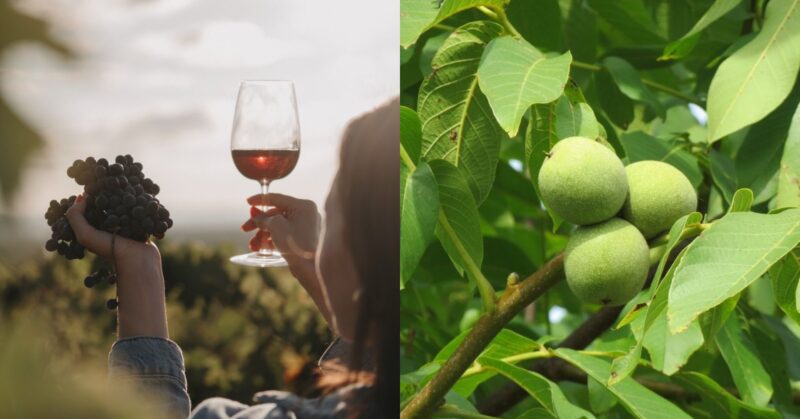
In the tranquility of monastic gardens, where life flows at a gentle pace and prayer intertwines with care for health, simple yet powerful remedies have been born over the centuries. One of these is the preparation made from walnut leaves and red wine, used to support blood circulation and restore the body’s vitality. Monks have observed that young walnut leaves, harvested at the right moment, contain active principles that stimulate circulation and purify the blood. Natural red wine, without additives, extracts and preserves these substances, creating a valued vascular tonic both in the past and in modern phytotherapy.
Traditional Recipe from Monastic Gardens (with Red Wine)
Ingredients
- 250 g fresh walnut leaves, harvested in the morning
- 1 liter of natural red wine (dry)
- 3-4 tablespoons of raw acacia or lime honey
- 1 small stick of cinnamon (optional)
Preparation
- Wash the leaves and dry them on a clean towel.
- Chop them coarsely and place them in a large glass jar.
- Add the wine, honey, and cinnamon.
- Seal tightly and let it macerate for 14 days in a cool, dark place, shaking daily.
- Filter and store in dark-colored bottles.
Administration
- 20-30 ml, twice a day, before meals, for a maximum of 20 days.
Alcohol-Free Adapted Recipe
Ingredients
- 250 g fresh walnut leaves
- 1 liter of 100% natural red grape juice
- 3-4 tablespoons of raw honey
Preparation
- Follow the same procedure as the version with wine, but use grape juice.
- Macerate for 5 days in the refrigerator, shaking daily.
- Consume within a maximum of 10 days.
Benefits
1. Stimulates Peripheral Circulation
Walnut leaves contain tannins and flavonoids that tone small blood vessels, improving their elasticity. Red wine brings polyphenols that dilate vessels and increase blood flow. Regular administration can reduce the sensation of cold hands and feet. The action is enhanced by resveratrol, which increases nitric oxide production. Thus, the remedy is useful for individuals with poor circulation.
2. Improves Tissue Oxygenation
Good circulation ensures efficient transport of oxygen. Antioxidants in walnut leaves protect blood cells, while red wine reduces vessel stiffness. This improves overall energy. Studies show that optimal blood flow accelerates tissue regeneration. In monasteries, the remedy was used after intense physical labor.
3. Purifying Effect on the Blood
Walnut leaves support the elimination of toxins and metabolic waste. Maceration in wine intensifies the diuretic and detoxifying effect. It helps the liver and kidneys filter the blood more effectively. A short course can be beneficial during seasonal changes. In monastic tradition, it was used to cleanse the blood after winter.
4. Reduces Vascular Inflammation
Chronic inflammation of the vessels promotes cardiovascular diseases. Juglone and polyphenols reduce inflammatory markers. Thus, vessels maintain elasticity and atherosclerosis is prevented. It is especially recommended for those with calf pain.
5. Supports Heart Health
Resveratrol in wine improves endothelial function and prevents clot formation. Walnut leaves provide magnesium and potassium for normal heart rhythm. Moderate consumption can keep blood pressure within normal limits. In fasting, it was used to strengthen the heart.
6. Supports Cerebral Microcirculation
Good blood flow to the brain maintains cognitive functions. Antioxidants protect neurons, while wine dilates cerebral vessels. This supports memory and concentration. In monasteries, it was useful for elderly monks.
7. Strengthens Blood Vessel Walls
Vitamin C stimulates collagen synthesis, strengthening the vessels. Tannins protect the walls from damage. This is important in preventing capillary fragility.
8. General Tonic Effect
In addition to vascular effects, the remedy increases energy, supports digestion, and stimulates appetite. It is useful in chronic fatigue. In monasteries, it was administered after long winters.
Contraindications
- Severe hypertension
- Liver conditions
- Allergy to nuts
- Pregnancy and breastfeeding (alcohol version)
- Treatment with anticoagulants
- Gastritis or ulcer
Approximate Nutritional Table (100 ml of remedy with red wine)
| Nutrient | Approximate Amount |
|---|---|
| Energy | 85 kcal |
| Carbohydrates | 5.4 g |
| Natural Sugars | 5 g |
| Proteins | 0.3 g |
| Fats | 0 g |
| Total Polyphenols | 150-200 mg |
| Vitamin C | 8 mg |
| Potassium | 120 mg |
| Magnesium | 10 mg |
Sources
- American Journal of Clinical Nutrition Effects of red wine polyphenols on endothelial function
- Phytotherapy Research Anti-inflammatory activity of juglone from Juglans regia leaves
- Journal of Nutritional Biochemistry Resveratrol and vascular health: a randomized controlled trial
- University of Ljubljana Chemical composition and bioactivity of Juglans regia leaves




