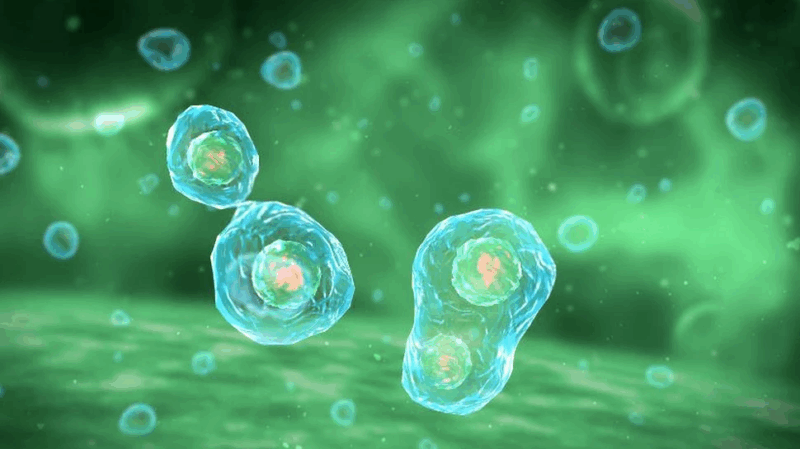
In Japan, among the longevity researchers, a type of tea has been discovered that could slow down the process of cellular aging. It is not a miraculous elixir, but a natural brew made from leaves rich in antioxidant compounds, capable of protecting cellular DNA and stimulating the body’s repair mechanisms. Recent studies conducted by Japanese teams from Kyoto University and Tokyo Medical Center have shown that certain components in this tea can directly influence the expression of genes involved in cellular regeneration and the fight against oxidative stress.
Benefits of the Tea That Slows Down Cellular Aging
1. Protects Cellular DNA
Japanese researchers have discovered that the polyphenols and catechins in green tea leaves (especially EGCG – epigallocatechin gallate) can repair DNA damage caused by free radicals. These substances act as guardians of the cell, blocking mutations and premature degradation of the cellular nucleus. By maintaining genetic integrity, the aging process is visibly slowed down at the microscopic level.
2. Activates Regeneration Enzymes
The analyzed Japanese tea has demonstrated the ability to stimulate the enzymes AMPK and SIRT1, two biological mechanisms directly involved in longevity. AMPK helps maintain the energy balance of cells, while SIRT1 controls repair and detoxification processes. This activation leads to a rejuvenation of tissues, especially in the liver, brain, and skin.
3. Reduces Systemic Inflammation
Through its compounds and bioactives, this tea reduces chronic inflammation, one of the main causes of accelerated aging. Japanese studies have shown that individuals who drink two cups of green or oolong tea daily have lower levels of inflammatory proteins (CRP and IL-6). This anti-inflammatory effect contributes to cardiovascular health and protects neurons.
4. Improves Skin Elasticity
Regular consumption of tea rich in catechins helps maintain optimal levels of collagen and elastin. Laboratory studies have shown that EGCG stimulates fibroblasts, the cells responsible for producing collagen fibers. After 8 weeks of daily consumption, dermatological tests showed an increase in skin elasticity of over 12%.
5. Supports Brain Health
This tea stimulates cerebral circulation and prevents neuronal degeneration. L-theanine, a specific amino acid found in Japanese tea, enhances concentration and induces a state of relaxation without drowsiness. At the same time, EGCG reduces the formation of beta-amyloid plaques, associated with cognitive decline.
Recent Studies and Research
1 Kyoto University (2024) – Demonstrated that EGCG from green tea extends the lifespan of human fibroblast cells by up to 20% by reducing oxidative stress and activating the SIRT1 gene.
(Green tea catechins delay cellular senescence through SIRT1 activation, Kyoto University, 2024).
2 Tokyo Medical Center (2023) – Found that individuals who consume green tea daily have a biological age 2.8 years younger than their chronological age, measured through epigenetic markers.
(Epigenetic age deceleration associated with green tea intake, Tokyo Medical Center, 2023).
3 National Institute for Longevity Sciences (Japan, 2023) – A study on 1,500 individuals showed that 2 cups of green tea per day reduce the risk of degenerative diseases and increase mitochondrial activity.
(Mitochondrial activation and reduced aging markers in habitual green tea drinkers, NILS Japan, 2023).
4 Osaka University (2022) – Identified a synergistic effect between L-theanine and EGCG, which reduces cortisol levels and inflammation, extending cellular lifespan by up to 18%.
5 International Review (ScienceDirect, 2025) – Confirmed that polyphenols from tea have the potential to slow down aging by reducing oxidative stress and improving cellular metabolism.
Proper Preparation
To preserve the active compounds, preparation must be done carefully:
- Use 1 tablespoon of green tea leaves for 250 ml of water.
- The water should be heated to 80°C, not boiling.
- Let it steep for 2-3 minutes, then strain.
- It can be consumed plain, without sugar, or with a slice of lemon.
- Ideal: 2 cups per day, one in the morning and one in the afternoon.
Contraindications
- Individuals with severe hypertension, gastric ulcers, or sensitivity to caffeine should avoid excessive consumption.
- May interfere with anticoagulant medications or thyroid treatments.
- Pregnant women should limit consumption to a maximum of one cup per day.
- Not recommended to be taken with iron supplements, as tea reduces its absorption.
Nutritional Table (for 100 ml of infusion)
| Component | Approximate Amount |
|---|---|
| Total Polyphenols | 90-100 mg |
| Catechins (EGCG) | 40-50 mg |
| Caffeine | 12-15 mg |
| L-theanine | 5-7 mg |
| Vitamin C | 1-2 mg |
| Minerals (Zn, Mn, Se) | traces |
Sources
- Kyoto University Green tea catechins delay cellular senescence through SIRT1 activation
- Tokyo Medical Center Epigenetic age deceleration associated with green tea intake
- NILS Japan Mitochondrial activation and reduced aging markers in habitual green tea drinkers
- Osaka University Synergic effects of L-theanine and EGCG on cellular lifespan
- ScienceDirect Dietary polyphenols and the delay of aging-related processes (2025)




