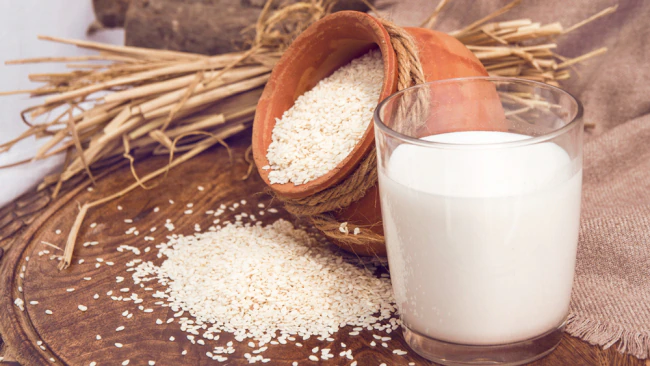
In search of a healthy alternative to cow’s milk, more and more people are discovering a surprisingly calcium-rich plant-based option that is easy to digest and free from the adverse effects of lactose: sesame milk. Although it is not as popular as almond or soy milk, sesame milk offers remarkable nutritional benefits, especially for bones, the heart, and the digestive system.
Why is sesame milk richer in calcium than cow’s milk?
100 ml of cow’s milk contains, on average, 120 mg of calcium. In contrast, 100 g of sesame seeds contains approximately 975 mg of calcium—almost 8 times more. Of course, not all of this amount is retained in homemade milk, but even when diluted, sesame milk remains an excellent source of plant-based calcium.
How calcium from sesame works:
-
Calcium from sesame is associated with magnesium, phosphorus, and zinc, making it easier to assimilate than calcium from animal sources.
-
Being lactose-free, it does not irritate the intestines and does not cause bloating in sensitive individuals.
-
It supports bone density, preventing osteoporosis and reducing the risk of fractures, especially in the elderly.
-
It is also beneficial during the post-menopausal period, when the risk of bone mass loss increases.
-
Plant-based calcium does not increase gastric acidity, as calcium from some dairy products can.
Detailed health benefits
1. Maintains bones and teeth
Sesame milk provides calcium, magnesium, and phosphorus in a synergistic combination. These minerals are essential for bone remineralization. Unlike calcium from supplements, calcium from food is accompanied by natural co-factors that enhance its absorption. Thus, regular consumption of sesame milk can help prevent osteoporosis, especially among women over 50. Additionally, it contributes to maintaining healthy dental enamel.
2. Easy to digest – ideal for those with lactose intolerance
Cow’s milk contains lactose, a sugar that is difficult to digest for many adults. Sesame milk is completely lactose-free and, being plant-based, does not cause intestinal inflammation. It is a perfect option for individuals with irritable bowel syndrome, lactose intolerance, or milk protein allergy.
3. Rich in healthy fats
Sesame seeds are an excellent source of Omega-6 fatty acids and phytosterols, which help regulate cholesterol levels. Regular consumption can help reduce LDL (bad cholesterol) and increase HDL (good cholesterol). Thus, it supports cardiovascular health and prevents the accumulation of atheromatous plaques.
4. Contributes to hormonal balance
Sesame is rich in lignans, natural compounds that can positively influence estrogen balance. This effect is important for women during the premenopausal and postmenopausal periods. It may help reduce hot flashes, fatigue, and frequent hormonal imbalances.
5. Protects the liver and kidneys
Due to its content of antioxidants such as sesamin and sesamolin, sesame milk protects the liver from oxidative stress. It also helps reduce inflammation and protects the kidneys from toxin accumulation, especially in the case of high-protein diets.
6. Source of plant-based proteins
Sesame milk provides essential amino acids necessary for protein synthesis. Although it has fewer proteins than cow’s milk, these are easier to digest and less allergenic.
7. Supports skin health
Due to its content of vitamin E and zinc, regular consumption of sesame milk can help regenerate the skin, provide natural hydration, and reduce skin inflammation. It is often recommended in detoxification regimens for the skin.
Relevant studies
A study published in Journal of the American College of Nutrition compared the bioavailability of calcium from sesame seeds with that from calcium supplements and found that sesame has a significantly higher absorption, especially when combined with vitamin D.
Another study published in Phytotherapy Research highlighted the beneficial effect of lignans from sesame in reducing menopausal symptoms, with significant improvements in bone density after 12 weeks of sesame extract administration.
In Food Chemistry, recent research showed that plant-based milk made from sesame seeds retains over 70% of its antioxidant content, being comparable to almond milk in terms of nutritional value.
An article published in Nutrients indicated that phytosterols and sesamin from sesame seeds reduce systemic inflammation and can support liver health in the case of high-protein diets.
Sesame milk recipe (homemade)
Ingredients:
-
100 g sesame seeds (ideally, unroasted)
-
1 liter of plain water
-
Optional: 1 tablespoon of honey or dates for taste
Preparation method:
-
Soak the seeds overnight (8-12 hours).
-
Drain the water and rinse the seeds well.
-
Add them to a blender with 1 liter of water.
-
Blend for 1-2 minutes until you obtain a milky liquid.
-
Strain through a fine cheesecloth or a nut milk bag.
-
Store in a glass bottle in the refrigerator for up to 2-3 days.
You can use the leftover pulp (okara) in porridge or baked goods.
Estimated nutritional table (per 250 ml of sesame milk)
| Nutrient | Approximate amount |
|---|---|
| Calcium | 300-350 mg |
| Magnesium | 60 mg |
| Proteins | 5 g |
| Healthy fats | 7-8 g |
| Carbohydrates | 2-3 g |
| Fiber | 1 g |
| Vitamin E | 1.5 mg |
| Zinc | 1 mg |
Contraindications
-
Allergy to sesame seeds can cause severe allergic reactions, from skin rashes to anaphylaxis.
-
Individuals with autoimmune diseases should consume with caution due to the immunomodulatory effects of lignans.
-
Not recommended in large quantities for children under 1 year, due to their still immature digestive system.
-
In individuals with advanced kidney conditions, phosphorus and potassium intake should be monitored.
-
Excessive sesame consumption can lead to significant caloric increase—moderation is recommended.




