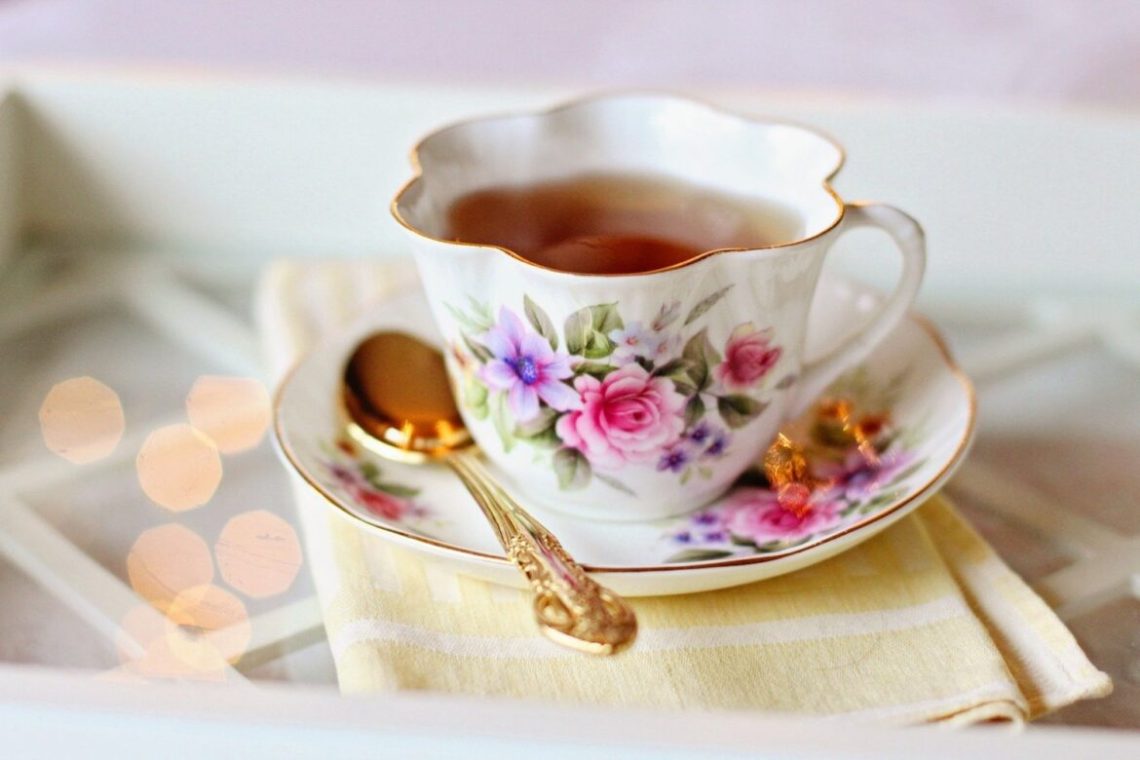
Choosing a medicinal tea should not be random. Each herb has its own therapeutic properties, and your mood, energy level, or physical discomfort can be the ideal guide in selection. In this article, we will discuss how to correctly choose the tea of the day based on what you feel at that moment.
Why It Is Important to Listen to Your Body
Your body constantly sends signals: fatigue, irritability, diffuse pain, lack of concentration, or excessive cravings for sweets. Instead of ignoring them or covering them up with quick solutions, you can use the power of medicinal plants as natural support. The right tea can aid detoxification, relaxation, digestion, or even hormonal balance.
Suitable Teas for Common Conditions
1. Feeling stressed or agitated?
Recommended tea: Chamomile, linden, lavender, valerian
These herbs have a calming effect on the central nervous system, reducing anxiety and promoting restful sleep. Studies show that chamomile contains apigenin, a compound that binds to GABA receptors, inducing calm and relaxation.
2. Feeling exhausted or lacking energy?
Recommended tea: Ginseng, green tea, rosemary, maca
These herbs have a tonic and revitalizing effect. For example, ginseng is used in Asian medicine to improve stress resistance and stimulate vitality.
3. Experiencing stomach pain or slow digestion?
Recommended tea: Mint, anise, fennel, ginger
Digestive teas stimulate bile secretion and reduce inflammation. Ginger, in particular, is supported by numerous studies for its anti-inflammatory and antiemetic effects.
4. Feeling bloated or heavy?
Recommended tea: Artichoke, dandelion, horsetail
These help drain the liver and bile, reducing abdominal discomfort. Artichoke is recognized for its choleretic and cholagogue effects.
5. Having trouble sleeping?
Recommended tea: Valerian, linden, hops, passionflower
Valerian is considered one of the most effective herbs for insomnia, having a similar effect to benzodiazepines but without dependency.
6. Feeling cold or having a sore throat?
Recommended tea: Elderflower, thyme, sage, pine buds
These herbs have antimicrobial, expectorant, and anti-inflammatory properties. Thyme is rich in thymol, which has proven effects against respiratory bacteria.
7. Feeling apathetic or lacking motivation?
Recommended tea: Basil, rosemary, licorice
These herbs can stimulate the nervous system, contributing to mental clarity and motivation. Basil contains eugenol, which helps combat mental fatigue.
8. Experiencing menstrual pain or hormonal imbalances?
Recommended tea: Horsetail, shepherd’s purse, raspberry leaf
These herbs regulate menstrual flow and alleviate cramps. Raspberry leaf is known for its role in toning the uterus.
Important Recommendations
- Do not mix too many herbs; 2-3 are sufficient.
- Choose organic teas or those from trusted producers.
- Avoid excessive consumption, even if they are natural.
- Listen to your body; if a herb does not agree with you, discontinue use.
The right tea at the right time can be more than just a pleasant drink; it can become a real support for your physical and emotional health. Remember that each day is different, and your body has unique needs. Choose the tea of the day as an act of care for yourself.




