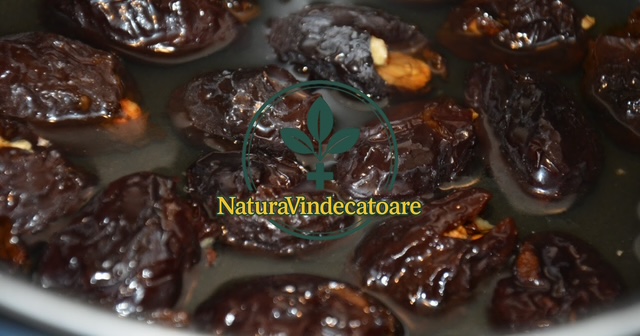
Dried plums have long been used as a natural remedy for digestion and slow intestinal transit. This preparation is easy to make at home, contains no additives, and can be consumed by people of all ages. Additionally, the water in which the plums were boiled retains some of their active compounds, making it useful for other digestive issues.
Benefits
1. Stimulates Intestinal Transit
The water in which dried plums are boiled is rich in sorbitol, a natural compound with a mild laxative effect. Sorbitol attracts water into the intestines, softens the stool, and promotes evacuation. This effect is particularly useful in cases of occasional or chronic constipation. Additionally, the soluble fibers extracted into the liquid contribute to regulating intestinal flora. It is a natural alternative to aggressive laxatives without irritating effects.
2. Hydrates and Detoxifies the Body
Regular consumption of this drink helps hydrate the intestines and eliminate accumulated toxins. Plums contain antioxidants that are partially transferred into the water, supporting liver and kidney function. Moreover, the plum water helps maintain an optimal volume of liquid in the colon, preventing stool from becoming dry. The drink is effective in gentle detoxification regimens, especially when combined with a light diet. It can be incorporated into the morning routine for an effective cleanse of the digestive tract.
3. Helps Regulate Blood Sugar
Although plums have a sweet taste, the water resulting from their boiling has a low sugar content and a low glycemic index. Sorbitol and soluble fibers in the composition contribute to a slow absorption of glucose. This is important for people with prediabetes or type 2 diabetes, who need to avoid sharp fluctuations in blood sugar levels. Additionally, the drink can reduce sweet cravings and help maintain long-term energy. It is a healthy substitute for carbonated drinks or concentrated juices.
4. Supports Colon Health
The polyphenols in plums have anti-inflammatory effects and protect the intestinal mucosa. Regular consumption of plum water can reduce the risk of chronic inflammation of the colon. Furthermore, soluble fibers help create a favorable environment for good bacteria in the intestines. This balance is essential for preventing bloating, gas, and irritable bowel syndrome. The drink can also be used as an adjunct in natural treatments for colitis or diverticulitis.
5. Contributes to Lowering Cholesterol
Soluble fibers from plums help bind cholesterol in the digestive tract, preventing its absorption. Through boiling, some of these fibers pass into the water and can positively influence lipid metabolism. The drink can be an adjunct in diets aimed at reducing total and LDL cholesterol. Daily consumption for 2-3 weeks can have visible effects in blood tests. It is also recommended for individuals at high cardiovascular risk.
6. Improves Digestion
Warm water with plums stimulates bile secretion and the enzymatic activity of the pancreas. These processes are essential for the proper breakdown of food. Thus, the drink can reduce feelings of nausea, bloating, or slow digestion after heavy meals. It can be consumed before breakfast to prepare the digestive tract for food intake. It is also useful during recovery periods after food poisoning or medical treatments.
7. Strengthens the Immune System
Dried plums contain vitamins and minerals such as vitamin C, vitamin K, zinc, and magnesium. Some of these nutrients pass into the water in which they were boiled, providing mild support for the immune system. The antioxidants in the composition help neutralize free radicals, reducing oxidative stress. This drink can be helpful during cold, flu, or convalescence periods. Regular consumption also supports the health of mucous membranes, an important barrier in immunity.
8. Helps Maintain an Optimal Weight
The plum drink provides a feeling of satiety due to its soluble fiber and sorbitol content. Thus, it reduces the need for unhealthy snacking between meals. It can be integrated into weight loss or maintenance regimens without compromising energy intake. It is low in calories but rich in nutrients, making it ideal for detoxification diets. Additionally, it contributes to the elimination of excess water and bloating.
Relevant Studies
1. Study Published in Alimentary Pharmacology & Therapeutics (2011)
A randomized clinical study compared the effect of consuming dried plums with psyllium in patients with chronic constipation. 40 participants were divided into two groups: one that consumed 100 g of plums daily and another that received psyllium. After 3 weeks, a significant improvement in stool frequency was observed in the plum group. Additionally, the consistency of stools was closer to normal in the same group. Researchers concluded that plums are more effective than psyllium in treating constipation. Although the study did not directly analyze the water in which the plums were boiled, it is presumed that the same active compounds—sorbitol, soluble fibers, and polyphenols—are partially extracted into the liquid. The study thus confirms the effectiveness of this natural remedy. Participants did not report significant adverse effects, making it safe for regular use. Boiled plum water can be a gentler and more tolerable method for sensitive individuals.
2. Study Published in Critical Reviews in Food Science and Nutrition (2013)
A systematic review of the scientific literature examined the health benefits of dried plums on digestive and metabolic health. The authors synthesized data from over 20 studies regarding the effects of fibers, antioxidants, and phenolic compounds in plums. It was observed that plums have beneficial effects on the intestinal microbiota, reduce local inflammation, and support normal transit. Additionally, compounds in plums can reduce oxidative stress, positively influencing colon health. Furthermore, these compounds act on receptors involved in lipid and glucose metabolism. Therefore, regular consumption can prevent the onset of diabetes and cardiovascular diseases. The study supports the use of plums in as natural forms as possible, including as an infusion or boiled water. The transfer of active compounds into the liquid is partial but sufficient to support the described benefits. It is important that the drink is consumed freshly prepared to preserve its properties. The authors also recommend integrating the drink into the daily diet of the elderly.
Preparation Method
Ingredients:
- 8-10 dried plums (without pits)
- 500 ml water
Preparation Method:
- Place the plums in cold water and bring to a boil.
- Let it simmer on low heat for 10-15 minutes.
- Turn off the heat and let it infuse for another 10 minutes.
- Strain and consume the warm water in the morning, on an empty stomach.
- The boiled plums can be consumed separately as a snack.
Contraindications
- Not recommended in case of diarrhea or irritable bowel syndrome with predominant diarrhea.
- Individuals with diabetes should consume with moderation and monitor blood sugar levels.
- May interact with some laxative or diuretic medications.
- Not indicated in case of sensitivity to dried fruits with sulfites (if chemically preserved).
- In the case of young children or pregnant women, it is recommended to seek medical advice before use.
Nutritional Table (estimated for a 250 ml cup)
| Component | Approximate Value |
|---|---|
| Calories | 45 kcal |
| Carbohydrates | 11 g |
| Natural Sugars | 7.9 g |
| Sorbitol | 2 g |
| Soluble Fiber | 0.51 g |
| Potassium | 120 mg |
| Antioxidants (phenols) | present |




