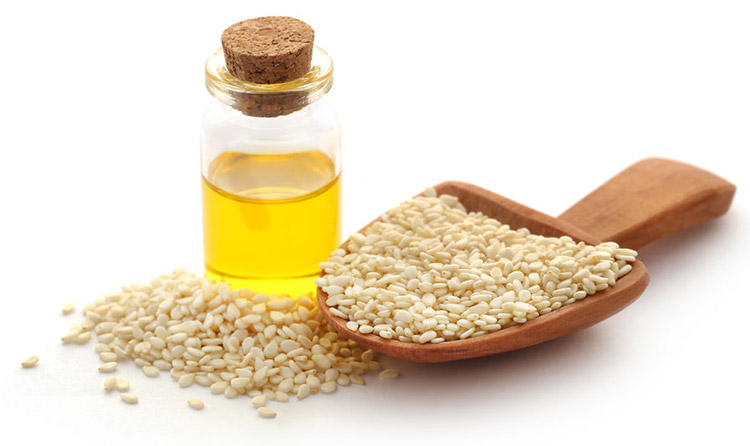
Sesame oil has been used for thousands of years in Ayurvedic medicine, considered an elixir of longevity in Indian traditions. With a golden color and a mild nutty flavor, this oil is extracted from the seeds of the Sesamum indicum plant and is rich in active compounds that can bring significant health benefits. Consuming a tablespoon of sesame oil daily can become a simple routine with visible long-term effects on the digestive, nervous, and cardiovascular systems. In Ayurveda, this habit is considered an internal purification ritual, aimed at eliminating toxins and rebalancing the doshas.
Benefits of Daily Consumption of 1 Spoon of Sesame Oil
1. Supports Heart Health
Sesame oil is rich in polyunsaturated fatty acids, especially omega-6, and contains sesamin and sesamol, two antioxidants that protect blood vessels. Regular consumption helps reduce LDL cholesterol (bad) and increase HDL cholesterol (good), contributing to the prevention of atherosclerosis. Another important effect is the regulation of blood pressure by relaxing blood vessels. The fatty acids in sesame oil have anti-inflammatory effects and can reduce the risk of heart attack or stroke. Additionally, they help maintain vascular elasticity as one ages.
2. Improves Digestion and Relieves Constipation
Sesame oil has a lubricating effect on the digestive tract, making it effective in alleviating constipation. It stimulates bile production and facilitates the digestion of fats, supporting good liver function. In Ayurveda, it is used for internal oiling (Oleation), being considered useful in colon cleansing. By balancing the digestive fire (Agni), it aids in nutrient absorption and reduces bloating. It is a natural and gentle alternative to irritating laxatives.
3. Has Strong Anti-Inflammatory and Antioxidant Effects
Sesamol and sesamin are two compounds with powerful antioxidant properties that protect cells from oxidative stress. These substances reduce systemic inflammation and can alleviate symptoms of chronic inflammatory conditions, such as arthritis. They also support the immune system and help the body defend against infections. Daily consumption helps neutralize free radicals, preventing premature aging of cells. Studies also show a possible role in protecting cellular DNA.
4. Balances Hormones and Supports Women’s Health
Sesame oil contains natural phytoestrogens that can regulate hormonal imbalances, especially in women undergoing perimenopause or menopause. Phytoestrogens help reduce hot flashes, irritability, and hormonal fluctuations. Additionally, the essential fatty acids in the oil contribute to ovarian health and maintain fertility. Some studies have shown that sesame oil has positive effects on progesterone and estrogen levels. It is recommended as a natural supplement for maintaining hormonal balance without adverse effects.
5. Nourishes the Brain and Supports Concentration
Rich in lecithin and essential fatty acids, sesame oil is considered a brain tonic in Ayurveda. It can improve memory, mental clarity, and processing speed. It is traditionally used in Ayurvedic therapies such as nasya (nasal oiling) to stimulate cognitive function. Daily consumption helps reduce anxiety and may prevent neuronal degeneration. It can also support the brain’s detoxification process by enhancing cerebral circulation.
6. Strengthens the Immune System
Sesame oil contains zinc, copper, and vitamin E—all involved in the proper functioning of the immune system. The synergistic action of these nutrients contributes to protecting the body against viral and bacterial infections. It has antibacterial and antifungal effects, being effective in supporting beneficial intestinal flora. In Ayurvedic medicine, it is used as an adjunct in respiratory and flu infections. It can also be helpful in convalescence due to its overall nourishing effect.
7. Detoxifies the Liver and Blood
Sesame oil helps eliminate fat-soluble toxins from the body and stimulates liver function. By stimulating bile and intestinal peristalsis, it facilitates the natural detoxification process. It is often used in Ayurvedic purification treatments (Panchakarma). Regular consumption supports the regeneration of liver cells and maintains the balance of liver enzymes. Additionally, it may reduce the accumulation of heavy metals in the body, according to recent studies.
8. Improves Skin and Hair Health
Rich in vitamin E, zinc, and fatty acids, sesame oil nourishes the skin from within. It reduces skin dryness, eczema, irritations, and supports healing. Additionally, internal consumption supports skin hydration and elasticity, having an anti-aging effect. For hair, it helps prevent hair loss, premature graying, and stimulates hair growth. It can be a natural solution for chronic dermatological conditions when used both internally and externally.
Relevant Studies and Research
1. Study Published in Journal of Medicinal Food (2010)
A randomized controlled study analyzed the effects of sesame oil consumption on hypertensive patients. Participants who replaced regular cooking oil with sesame oil for 45 days recorded a significant decrease in blood pressure. Researchers also observed a reduction in oxidative stress, indicating a clear antioxidant effect. Additionally, the lipid profile improved, with a decrease in LDL and an increase in HDL. The authors concluded that sesame oil could be a natural adjunct in the treatment of hypertension. Its action is attributed to the compounds sesamin and sesamol. Furthermore, no adverse effects were reported during the study.
2. Study in International Journal of Endocrinology and Metabolism (2012)
This study examined the impact of sesame oil on glycemic control and liver function in patients with type 2 diabetes. For 6 weeks, patients consumed 1 tablespoon of sesame oil daily, and the results were significant. Postprandial blood glucose levels decreased by 23%, and glycosylated hemoglobin (HbA1c) levels decreased by 9%. Moreover, markers of liver inflammation were reduced, indicating a protective effect on the liver. Researchers also noted an improvement in insulin sensitivity. The conclusion was that sesame oil may have beneficial effects on metabolic control in diabetics. Importantly, no relevant adverse reactions were reported.
Contraindications and Precautions
-
Allergies: Individuals allergic to sesame or other oilseeds should avoid consumption, as it may cause severe reactions (anaphylaxis).
-
Drug Interactions: It may interfere with medications for hypertension or diabetes—consult a doctor before regular use.
-
Children and Pregnancy: Not recommended for children under 1 year or pregnant women, except with a doctor’s approval.
-
Excess: Consuming in large quantities may lead to a sudden drop in blood pressure and mild diarrhea.
-
Severe Liver Conditions: Although it supports the liver, caution is advised in severe cases (cirrhosis, active hepatitis).
Sources
-
Journal of Medicinal Food Effect of Sesame Oil on Blood Pressure and Oxidative Stress in Hypertensive Patients
-
International Journal of Endocrinology and Metabolism Effects of Sesame Oil on Glycemic Control in Type 2 Diabetics




