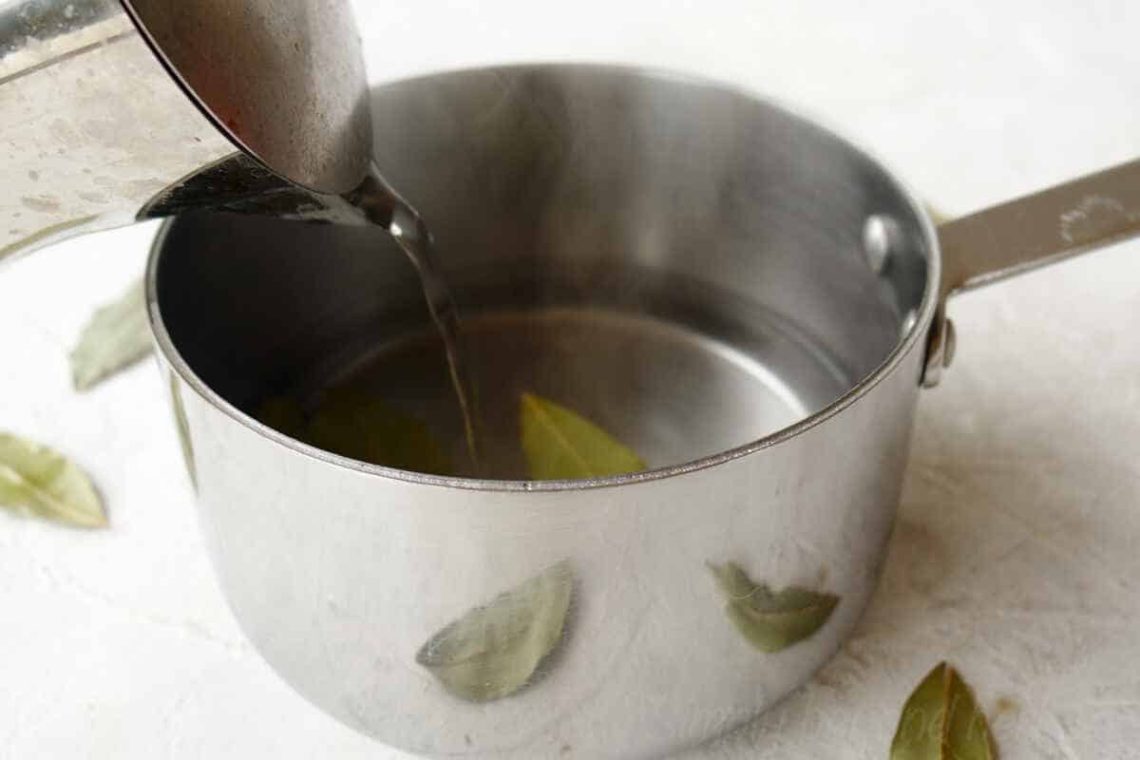
In many villages in southern Romania, the daily consumption of bay leaf water is an ancient practice passed down from generation to generation. This seemingly simple habit is based on popular wisdom that is now confirmed by science, as bay leaves are rich in substances with therapeutic potential. They contain essential oils, antioxidants, vitamins, and minerals that positively affect several organs. Elders used to say that bay leaves purify the blood and relieve joint pain, a popular saying that today makes sense in light of their anti-inflammatory, detoxifying, and immune-stimulating effects. Regular consumption, in moderate amounts, can bring multiple benefits as long as the recommended doses and contraindications are respected.
Detailed Benefits
1. Helps Regulate Blood Sugar
Bay leaves contain active compounds such as polyphenols, which contribute to improving insulin sensitivity. By consuming them daily, especially in the morning on an empty stomach, they can have a mild effect on lowering blood sugar levels in people with prediabetes or type 2 diabetes. This effect is also due to the plant’s ability to slow down carbohydrate absorption in the intestines. Additionally, studies indicate a reduction in plasma glucose levels in individuals who consume bay leaf tea for several weeks. However, it is important that this method does not replace treatments prescribed by a doctor.
2. Aids Digestion and Reduces Bloating
Bay leaves stimulate the secretion of gastric and bile juices, promoting the digestion of heavier foods. Traditionally, they were used after hearty meals to prevent bloating and abdominal cramps. The volatile oils in the leaves have a carminative effect, meaning they reduce the formation of intestinal gas. Moreover, the bitter compounds stimulate the liver and gallbladder, contributing to better fat metabolism. Daily use of bay leaf water can help balance intestinal transit, especially in cases of slow digestion.
3. Contributes to Liver Detoxification
Bay leaves contain eugenol, a compound with antioxidant and hepatoprotective effects. This reduces oxidative stress in liver cells and promotes the regeneration of the liver affected by unhealthy eating, alcohol, or stress. In traditional medicine from southern Romania, bay leaf tea was used in spring and autumn for blood and liver cleansing. By stimulating bile secretion and having an anti-inflammatory effect, bay leaf water can become an adjunct in detoxification regimens. Results can be observed over time, through increased energy levels and improved digestion.
4. Has Anti-Inflammatory Effects and Can Reduce Joint Pain
Bay leaves contain linalool and cineole, substances with strong anti-inflammatory effects. These can reduce chronic inflammation associated with arthritis, rheumatism, and other joint pains. In southern Romania, older individuals drink bay leaf water every morning to combat joint stiffness. By reducing systemic inflammation, the body responds better to stress factors, and pain can be diminished. Daily consumption can have a cumulative effect without affecting the stomach like traditional anti-inflammatories.
5. Supports the Immune System
Bay leaves are rich in natural antioxidants such as vitamin C, vitamin A, and phenolic compounds. These nutrients protect cells against oxidative stress and support the activity of immune cells. Drinking bay leaf water daily, especially in the cold season, can reduce the frequency of respiratory infections. Additionally, it has a tonic effect on the body, supporting the natural defense capacity against bacteria and viruses. Regular consumption of this infusion can become a natural barrier against colds and flu.
6. May Support Cardiovascular Health
The flavonoids and antioxidants in bay leaves contribute to lowering bad cholesterol (LDL) and protecting the walls of blood vessels. By preventing the oxidation of fats in the blood, the risk of atherosclerosis and heart attack is reduced. In popular habits from the south, bay leaves were considered blood purifiers, and this role is supported today by modern research. Moderate consumption, combined with a balanced diet, can support heart health and circulation. It is a simple and accessible method to help prevent cardiovascular diseases.
Relevant Studies
Study Published in Journal of Clinical Biochemistry and Nutrition (2009)
A study conducted on individuals with type 2 diabetes showed that daily administration of bay leaves (1-3 g/day) for 30 days significantly reduced blood sugar and total cholesterol levels. Participants reported significant improvements in their glycemic profile, with decreased plasma glucose and triglyceride levels. Researchers attributed these effects to the presence of polyphenols and flavonoids, which improve insulin sensitivity and carbohydrate metabolism. The study was placebo-controlled, and the results were statistically significant. Additionally, no severe adverse effects were observed, supporting the safety of using bay leaves in moderate doses.
Study Published in Phytotherapy Research (2011)
Researchers analyzed the anti-inflammatory effect of Laurus nobilis (bay leaf) extract in animal models with induced arthritis. Administration of the extract led to a decrease in joint inflammation and a reduction in inflammatory cytokine levels. These results confirm the traditional use of bay leaves for joint pain and support their use as a natural adjunct. The effects were comparable to those of non-steroidal anti-inflammatory drugs but without gastrointestinal side effects. The study was extended over a period of 4 weeks and included well-structured control groups.
Contraindications
-
Pregnant Women: Bay leaves can stimulate uterine muscles and are not recommended during pregnancy.
-
Individuals with Gastric Ulcers: Bay leaves can stimulate gastric acidity and may worsen symptoms.
-
Individuals Allergic to Plants in the Lauraceae Family: Hypersensitivity reactions may occur.
-
Drug Interactions: May potentiate the effect of insulin and other antidiabetic medications. Consult a doctor before use.
-
Do Not Consume in Excess: The recommended daily dose is 1-2 leaves per 250 ml of water.
Preparation Method
Ingredients:
-
1-2 dried bay leaves
-
250 ml water
Preparation:
-
Boil the water and add the bay leaves.
-
Let it simmer on low heat for 5 minutes.
-
Turn off the heat and cover the pot, letting it steep for another 10 minutes.
-
Strain and consume in the morning on an empty stomach.
You can drink one cup daily, 5 days a week, with a break on the weekend.




