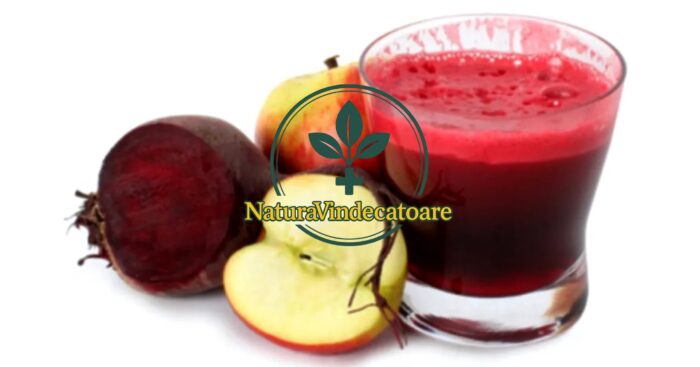
This easy-to-make drink at home is an excellent source of antioxidants, minerals, and active enzymes that have a visible impact on energy levels and health.
Benefits of Beetroot Juice with Apples
1. Supports liver function and detoxification
Beetroot contains betaine, an active compound that supports the liver in the detoxification process by aiding in the production of glutathione, an essential antioxidant. Betaine helps break down fats and eliminate toxins through the liver. Combined with the pectin in apples, this drink helps bind and eliminate toxins from the colon. Efficient liver cleansing is essential for preventing chronic fatigue and digestive issues. Therefore, a glass of juice consumed in the morning on an empty stomach can become a valuable habit during periods of liver overload.
2. Improves circulation and vascular health
Beetroot is one of the richest sources of natural nitrates, which are converted in the body to nitric oxide, a substance that dilates blood vessels. This effect helps lower blood pressure and improve blood flow, especially to the heart and brain. Apples add flavonoids like quercetin, which have anti-inflammatory effects on the vascular endothelium. Regular consumption of this juice can reduce the risk of cardiovascular diseases, especially in individuals with hypertension. It is also an excellent choice for those with cold hands and feet or peripheral circulation issues.
3. Stimulates red blood cell production and combats anemia
Due to its rich content of iron, folic acid, and vitamin C, beetroot stimulates the formation of red blood cells and increases iron absorption. Apples, with their vitamin C and natural fructose content, enhance this absorption at the intestinal level. This combination is often recommended in cases of mild anemia or unexplained fatigue. Regular consumption can improve energy levels, endurance, and concentration. Additionally, women experiencing heavy menstrual bleeding may particularly benefit from this drink.
4. Strengthens the immune system
Both ingredients are rich in vitamin C and powerful antioxidants—anthocyanins in beetroot and polyphenols in apples. These compounds help neutralize free radicals and reduce chronic inflammation in the body. Daily consumption can help increase the body’s resistance to respiratory and viral infections. Moreover, apples provide soluble fiber that nourishes the gut microbiome, a key factor in immunity. It is a wise choice, especially during the cold season or during recovery periods after illness.
5. Supports digestion and intestinal transit
Beetroot has a mild laxative effect due to its soluble and insoluble fibers, while apples are known for their role in regulating transit. Consuming the juice helps prevent constipation and maintain a healthy colon. Additionally, the natural enzymes from both ingredients stimulate digestion and prevent bloating. This drink can also be helpful in cases of slow digestion or a feeling of heaviness after meals. For an even better effect, it is recommended to consume it in the morning on an empty stomach.
What Studies Say
A study published in Hypertension (American Heart Association) in 2015 analyzed the effect of beetroot juice on blood pressure. Participants who consumed 250 ml of beetroot juice daily for 4 weeks experienced a significant decrease in both systolic and diastolic blood pressure. The authors explained that the natural nitrates in beetroot contribute to the production of nitric oxide, which relaxes blood vessels and improves circulation.
Another study in the British Journal of Nutrition showed that beetroot improves physical performance in the elderly by increasing blood flow to the muscles. After 6 days of daily consumption, participants reported increased endurance and reduced muscle fatigue. The benefits were greater when beetroot was consumed as fresh juice rather than cooked.
Regarding the combination with apples, research published in the Journal of Functional Foods (2021) showed that the antioxidants in apples can increase the bioavailability of compounds in beetroot. The synergy between quercetin and betaine demonstrated a greater capacity for protection against oxidative stress in cell cultures. The study concluded that the association of the two fruits has therapeutic potential in preventing systemic inflammation.
A Romanian study conducted by the University of Medicine and Pharmacy in Iași confirmed that this combination contributes to improving the lipid profile in individuals with metabolic risk. After 30 days of daily consumption, a significant reduction in LDL cholesterol and an increase in HDL were observed. Researchers recommended the drink as an adjunct in preventing cardiovascular diseases.
Contraindications
- Individuals with kidney stones should avoid frequent consumption due to the oxalate content in beetroot.
- Diabetics should consume the drink with caution, as beetroot and apples contain natural sugars that can raise blood sugar levels.
- Those with acute gastroenteritis or irritable bowel syndrome may experience abdominal discomfort.
- It is not recommended during treatments with anticoagulants or antihypertensives without medical approval, as it may potentiate their effects.
- In some individuals, the juice may color urine and stool red—a benign effect that can be confused with blood in urine (false hematuria).
Recipe
Ingredients:
- 1 raw beetroot (medium-sized, peeled)
- 2 green apples (or sweet, according to preference)
- 1 lemon (optional, for flavor and vitamin C)
- 100-150 ml water (for dilution, according to preference)
Preparation method:
- Wash and peel the beetroot and apples.
- Cut them into cubes and place them in a blender or juicer.
- Add water and extract the juice.
- Drink immediately to benefit from all the nutrients.
It can be consumed in the morning on an empty stomach, 3-4 days a week.
Nutritional Table (per 250 ml of juice)
| Nutrient | Estimated Amount |
|---|---|
| Calories | 110 kcal |
| Carbohydrates | 24 g |
| Fiber | 3 g |
| Natural Sugar | 18 g |
| Vitamin C | 16 mg |
| Iron | 1.2 mg |
| Folic Acid | 90 mcg |
| Potassium | 520 mg |
| Betaine | 130 mg |
| Natural Nitrates | 250 mg |
Sources:
- American Heart Association – Hypertension: Dietary nitrate and blood pressure regulation
- British Journal of Nutrition – Effects of beetroot juice on physical performance in the elderly
- Journal of Functional Foods – Apple polyphenols enhance antioxidant potential of beetroot compounds
- UMF Iași – Clinical study on the consumption of beetroot juice and lipid effects




