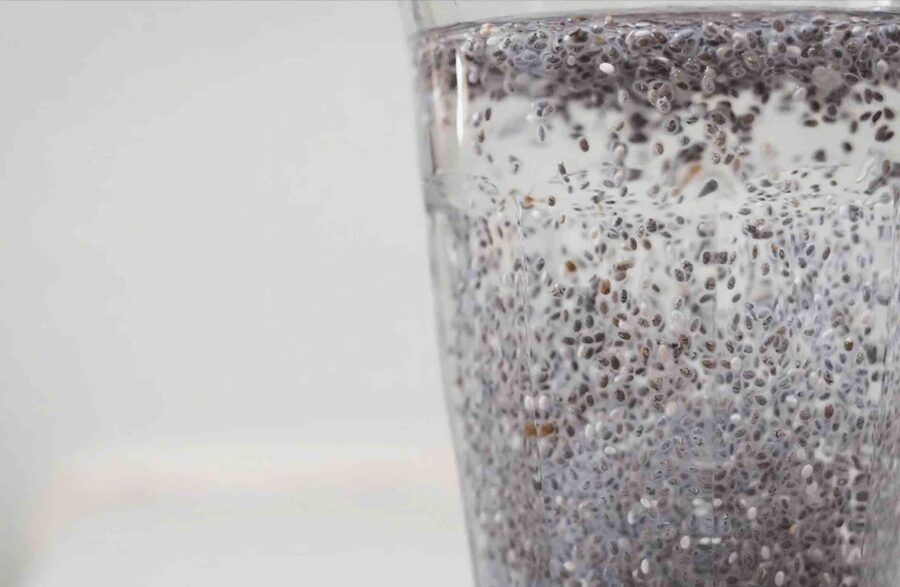
Water with chia seeds is a simple drink, but it has unexpectedly profound effects on the body. This combination has gained popularity among those seeking detoxification, energy, and digestive support without resorting to expensive supplements. So, what happens if you drink this beverage daily for 10 days? The results are noticeable and can be observed even in the first few days, especially if consumed in the morning on an empty stomach. In the following sections, we detail the effects that may occur in the body and what scientific research says about this seemingly trivial habit.
1. Improved Digestion and Regulation of Intestinal Transit
Chia seeds are rich in soluble fiber, which absorbs water and forms a gel in the digestive tract. This gel helps soften stools and facilitates easier movement through the intestines. Daily consumption of water with chia seeds can reduce constipation and prevent bloating. It also stimulates intestinal peristalsis, which are the natural movements of the intestines. After 10 days, many people experience more regular bowel movements and a feeling of digestive comfort.
2. Extended Hydration
Chia seeds can absorb 10-12 times their weight in water, forming a gelatinous layer that is released slowly into the body. This contributes to long-lasting hydration, which is extremely valuable during periods of physical exertion, high temperatures, or dieting. Regular consumption helps maintain electrolyte balance and prevents chronic dehydration, often encountered by those who do not drink enough water. After 10 days of consistent consumption, many notice more hydrated skin and better endurance during physical activities. Additionally, it reduces sudden thirst and fatigue associated with mild dehydration.
3. Lowering Cholesterol and Protecting Blood Vessels
Chia seeds contain soluble fibers that can help reduce levels of LDL cholesterol (the “bad” cholesterol) in the blood. These fibers bind bile acids and fats, preventing their absorption into the bloodstream. After a period of 10 days, the effect may be subtle, but combined with a balanced diet, it can be the beginning of a beneficial long-term process. Additionally, the Omega-3 fatty acids in chia seeds have anti-inflammatory effects and support the health of blood vessel walls. This leads to better circulation and may contribute to lower blood pressure.
4. Appetite Control and Support for Weight Loss
Consuming water with chia can reduce food cravings by forming a gel that induces satiety. This can lead to a decrease in unhealthy snacking between meals without feeling hungry. After 10 days, it is possible that the volume of food consumed daily decreases significantly. Additionally, stabilizing blood sugar levels through the fiber in chia contributes to controlling sweet cravings. By reducing caloric intake and supporting digestion, the chia beverage can become an effective ally in weight loss efforts.
5. Improved Heart Health
In the long term, the Omega-3 fatty acids, fibers, and antioxidants in chia seeds can have beneficial effects on cardiovascular health. After 10 days, a slight reduction in systemic inflammation may occur, which is beneficial for individuals with cardiovascular risk factors. The polyphenols in chia also contribute to protecting heart cells. Regular consumption can reduce arterial stiffness and improve lipid profiles. Even if the effects are not spectacular after 10 days, they can be a starting point for real improvement in heart health.
Study: The Effects of Chia Seeds on Metabolic Health
A study published in Journal of Clinical Nutrition followed the effects of daily consumption of 25 g of chia seeds for 12 weeks on a group of overweight adults. Researchers observed a significant reduction in visceral fat and an improvement in insulin sensitivity. Although the duration of the study was longer than 10 days, results began to appear gradually, starting from the first weeks. Participants also reported reduced food cravings and better digestion. The study also highlighted a decrease in inflammatory markers, such as CRP (C-reactive protein), indicating a systemic anti-inflammatory effect. Lastly, an improvement in lipid profiles was observed, including a decrease in total cholesterol and an increase in HDL (good) cholesterol. These results show that the effects of chia are complex and influence multiple systems in the body. The authors also emphasized the important role of fermentable fibers from chia on the intestinal microbiome, an essential aspect for immunity and overall health.
Contraindications
-
Individuals taking anticoagulants or aspirin should consult a doctor, as chia has a mild blood-thinning effect.
-
Those with gastrointestinal issues, such as irritable bowel syndrome, may experience bloating or discomfort if starting with high doses.
-
Not recommended in cases of severe hypotension, due to the possible further drop in blood pressure.
-
Individuals allergic to sesame or mustard may have allergic reactions to chia as well.
-
In the case of diabetes, blood sugar levels should be monitored, as chia may potentiate the effects of hypoglycemic medications.
Nutritional Table (per 100 g of chia seeds)
| Component | Approximate Amount |
|---|---|
| Calories | 486 kcal |
| Proteins | 16.5 g |
| Total Fats | 30.7 g |
| of which Omega-3 | 17.8 g |
| Carbohydrates | 42.1 g |
| Fiber | 34.4 g |
| Calcium | 631 mg |
| Magnesium | 335 mg |
| Iron | 7.7 mg |
| Phosphorus | 860 mg |




