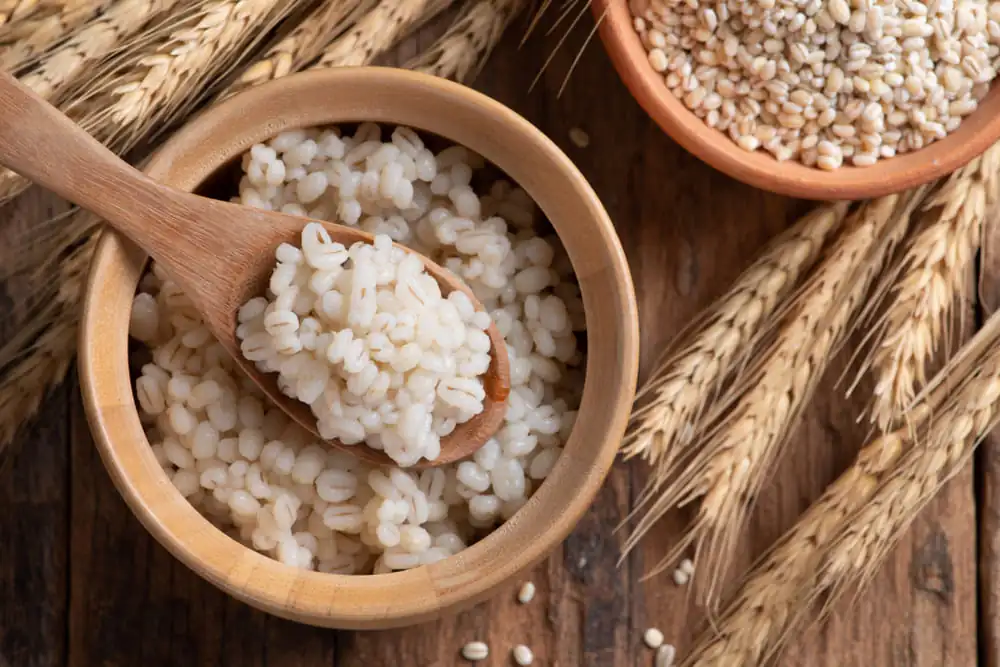
Barley, made from hulled grains, is a forgotten food for many, but it has impressive health benefits. Used in the past mainly in traditional dishes, such as coliva or simple pilafs, this ingredient can become a reliable ally for detoxifying the body, regulating digestion, and maintaining an optimal energy level. What happens if you include it in your diet daily for 7 days? The answer comes with solid nutritional arguments and scientific support.
Benefits of Consuming Barley for 7 Days
1. Cleanses the Colon and Regulates Digestion
Barley is rich in insoluble fibers, which help cleanse the intestinal tract of residues and toxins. These fibers act as a natural broom, promoting transit and preventing constipation. Additionally, they contribute to creating a healthy intestinal environment, supporting the development of beneficial bacteria. After 3-4 days of consistent consumption, most people notice a regularization of bowel movements. In the long term, this action can prevent the occurrence of diverticulitis and other digestive disorders.
2. Controls Blood Sugar Levels
The hulled grains in barley release glucose slowly into the bloodstream, helping to maintain a constant energy level. The low glycemic index makes this food a suitable choice for people with diabetes or insulin resistance. Daily consumption for 7 days helps avoid blood sugar spikes after meals. Additionally, the soluble fibers in barley slow down carbohydrate absorption. This stabilizing effect is confirmed by numerous studies in the field of nutrition.
3. Supports Liver Health
Barley is a good source of choline, an essential compound for fat metabolism and liver protection. Choline helps prevent fatty liver disease, especially in individuals with an unbalanced diet. Moreover, regular consumption of barley stimulates bile secretion, facilitating fat digestion. After a week of daily consumption, many people report noticeable digestive improvement. Barley thus acts as a natural aid in liver detoxification.
4. Lowers LDL Cholesterol
The soluble fibers in barley, especially beta-glucans, bind to cholesterol in the intestines and help eliminate it. Through this mechanism, daily consumption can reduce LDL cholesterol levels in the blood. Studies show that a diet rich in whole grains has beneficial effects on lipid profiles. After 7 days, a slight but significant reduction in cholesterol levels is possible. In the long term, consuming barley can help prevent cardiovascular diseases.
5. Hydrates and Nourishes the Skin
Barley contains zinc, selenium, and vitamin B3, important nutrients for skin health. These compounds help maintain skin elasticity, reduce inflammation, and stimulate cellular regeneration. After a few days of consumption, the skin may become brighter and more even. Additionally, hydration from within is supported by the high water content retained in dietary fibers. Regular consumption of barley is recommended for individuals with dry or sensitive skin.
6. Improves Sleep and Supports Brain Function
The B vitamin complex in barley (especially B1 and B6) is essential for the functioning of the nervous system. These compounds help regulate neurotransmitters, contributing to more restful sleep and reducing anxiety. After 7 days of consistent consumption, some people notice improved concentration and a more balanced mental state. Zinc and magnesium in barley also have beneficial effects on mood. This food can be considered a natural nerve tonic.
7. Supports Bone Health
Barley is a good source of magnesium, phosphorus, and manganese—essential minerals for bone density. A diet that includes this food can prevent bone mass loss, especially in older individuals. Magnesium helps with calcium absorption in bones, while phosphorus is essential for forming bone structure. Daily consumption for a week provides a constant supply of nutrients that support the skeletal system. In the long term, it can reduce the risk of osteoporosis.
8. Aids in Weight Loss
Due to its high fiber content and low glycemic index, barley helps maintain satiety for a longer period. This helps reduce food cravings and avoid unhealthy snacking. Individuals who consume barley daily may notice a slight weight loss without significant effort. This food supports an active metabolism and prevents fat accumulation. Additionally, it helps reduce bloating due to its cleansing effect on the intestines.
Relevant Study
A study published in The American Journal of Clinical Nutrition (2021) analyzed the effects of daily whole grain consumption (including hulled barley) on metabolic markers and overall health status. The study included 156 participants monitored over 12 weeks.
Researchers found that individuals who consumed whole grains daily had a significant reduction in LDL cholesterol levels, improved insulin sensitivity, and a slight but consistent decrease in body weight. They also reported improvements in digestion and increased energy levels.
An important finding was the increase in beneficial intestinal bacteria activity, indicating that the fibers in barley have a prebiotic effect. The study concluded that including grains like barley in the daily diet can help prevent metabolic and cardiovascular diseases.
Contraindications
- Individuals with gluten intolerance should not consume barley, as it is derived from wheat.
- Not recommended in ketogenic or low-carb diets due to its carbohydrate content.
- Excessive consumption (over 300 g per day) can lead to bloating or abdominal discomfort.
- Diabetics should consume with caution and only in moderate amounts, monitoring blood sugar levels.
- In cases of celiac disease, it is completely contraindicated.
Nutritional Table (per 100 g of cooked barley)
| Nutrient | Amount |
|---|---|
| Calories | 123 kcal |
| Carbohydrates | 27 g |
| Dietary Fiber | 3.8 g |
| Protein | 2.3 g |
| Fats | 0.4 g |
| Vitamin B1 (Thiamine) | 0.2 mg |
| Vitamin B3 (Niacin) | 1.3 mg |
| Magnesium | 32 mg |
| Phosphorus | 89 mg |
| Iron | 1.1 mg |
| Zinc | 0.9 mg |




