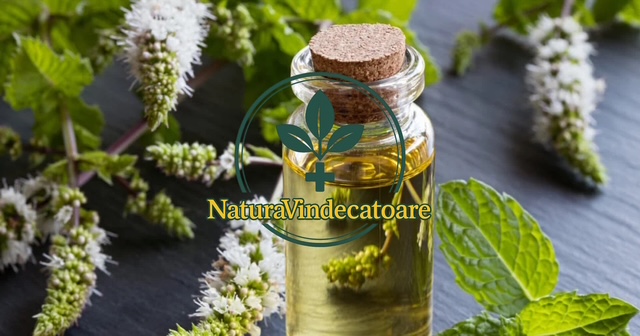
Peppermint essential oil is known for its refreshing aroma, but few people realize the effects it can have on the body when added to bathwater. Although it seems like a simple gesture, this practice has a profound impact on the nervous system, muscles, skin, and respiration. It is a simple yet effective remedy, applicable for everything from stress relief to reducing muscle pain. Here’s what happens in your body when you add a few drops of peppermint oil to your bathwater:
Benefits
1. Stimulates blood circulation and revitalizes the body
When peppermint oil is added to warm bathwater, its compounds, especially menthol, produce a cooling effect on the skin. This effect causes local vasodilation, which stimulates peripheral circulation. As a result, oxygenated blood reaches the extremities more easily, which can be beneficial for individuals with poor circulation. Additionally, the refreshing sensation provided by menthol is ideal for states of fatigue or after a demanding day. Many users report an immediate feeling of rejuvenation after such a bath.
2. Relieves muscle and joint pain
Menthol has analgesic and anti-inflammatory effects, making it effective in alleviating muscle and joint pain. A warm bath with peppermint oil is recommended after intense physical exertion, in cases of muscle soreness, or for conditions such as arthritis or rheumatism. The oil works by desensitizing pain receptors, thereby reducing discomfort. At the same time, it promotes relaxation of tense muscles. Compared to other oils, peppermint offers a unique combination of cooling and relaxation.
3. Clears respiratory pathways and alleviates nasal congestion
The vapors of peppermint inhaled during the bath can act as a natural decongestant. Menthol helps open the respiratory pathways, being effective in cases of colds, sinusitis, or seasonal allergies. By stimulating sensory receptors in the nose, the oil reduces the feeling of congestion and promotes deep breathing. This is why peppermint oil is often included in ointments and products for colds. In the bath, the effect is intensified by the warm steam, which carries volatile particles directly into the respiratory tract.
4. Reduces stress and mental fatigue
The aroma of peppermint is known for its stimulating effects on the central nervous system. By simply inhaling the vapors from the bath, brain activity is positively influenced, activating areas associated with alertness and well-being. Studies show that peppermint can reduce mental tension and improve concentration. After a tiring day, a bath with peppermint oil can provide not only muscle relaxation but also mental clarity. It is a natural method of recovery without side effects.
5. Improves skin health
Peppermint oil has antimicrobial and anti-inflammatory properties, making it useful in skincare. A bath with peppermint oil can help soothe irritations, reduce minor inflammations, and refresh the skin. The cooling sensation is appreciated in cases of minor cuts, dermatitis, or rashes caused by excessive sweating. It also stimulates cellular regeneration by increasing local blood flow. The immediate effect is cleaner, more toned skin with a healthier appearance.
Studies and Research
A study published in Phytotherapy Research analyzed the effects of peppermint essential oil on muscle pain and demonstrated that local application and inhalation of vapors significantly reduce pain perception. Researchers observed that menthol acts on TRPM8 receptors, inducing a cooling sensation that blocks pain signals. Participants in the study who used a bath with peppermint oil reported a reduction in pain intensity by over 30%. They also showed significant improvement in joint mobility.
Another study, published in International Journal of Neuroscience, explored the impact of peppermint oil on cognitive functions. Participants who inhaled peppermint vapors during a warm bath recorded significant increases in alertness and performance on cognitive tests. A reduction in anxiety of up to 20% was also noted. These effects are attributed to the activation of the sympathetic nervous system through olfactory receptors stimulated by menthol.
An article in Evidence-Based Complementary and Alternative Medicine examined the benefits of essential oils, including peppermint, in complementary treatments for respiratory symptoms. The conclusion was that inhaling menthol vapors reduces nasal congestion and aids in sinus clearing, especially when combined with warm baths. Several documented clinical cases showed a reduction in symptoms within the first 20 minutes after exposure to steam with peppermint oil.
Contraindications and Precautions
Peppermint oil is highly concentrated and should be used with caution. In the bath, it is recommended not to exceed 6-8 drops for a standard tub. Using it in large quantities can irritate the skin or mucous membranes. It is contraindicated for children under 6 years old, pregnant women, and individuals with asthma or severe respiratory allergies. Additionally, peppermint oil should not be applied directly to the skin without a carrier oil, as it can cause irritation. Individuals with cardiovascular conditions should consult a doctor before use.




