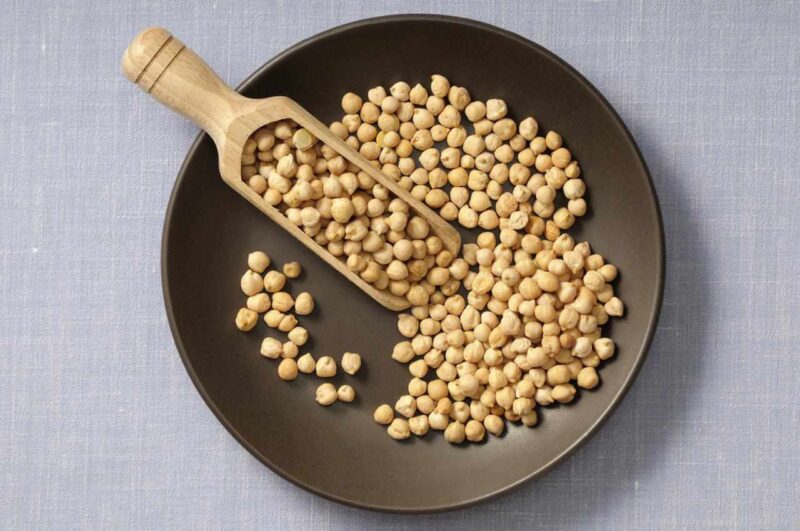
Chickpeas are often overlooked in the diet, yet they are a nutritional treasure with remarkable benefits for heart health and beyond. With a creamy texture and neutral taste, these legumes can easily be incorporated into soups, salads, hummus, or cooked dishes. Did you know that, beyond their protein and fiber content, chickpeas act as a natural protector for the cardiovascular system, regulate blood sugar, and help maintain weight? Behind these effects are solid studies confirming the role of chickpeas in preventing chronic diseases. Below, the most important benefits, recent studies, and contraindications are explained in detail.
Benefits
1. Supports Heart Health
Chickpeas are rich in soluble fiber, particularly pectin, which helps reduce LDL cholesterol levels. The fiber contributes to the elimination of fats from the blood and keeps arteries clean. They also contain magnesium and potassium—two essential minerals that support normal heart function and help regulate blood pressure. By reducing systemic inflammation and improving blood vessel elasticity, chickpeas become a protective food for the cardiovascular system. Several studies have shown an association between legume consumption and a reduced risk of coronary heart disease.
2. Regulates Blood Sugar
The glycemic index of chickpeas is low, meaning they release sugar slowly into the bloodstream. This is extremely important for people with diabetes or those looking to prevent insulin resistance. Due to their high fiber and protein content, chickpeas help maintain a feeling of fullness without causing sharp increases in blood sugar. Regular consumption can reduce the risk of type 2 diabetes and improve glycemic control. Clinical studies support these effects, showing that chickpeas can contribute to lowering glycosylated hemoglobin (HbA1c).
3. Aids in Weight Loss
Due to their high fiber and plant protein content, chickpeas create a feeling of fullness for a longer time. This reduces cravings for unhealthy snacks and overall caloric intake. Additionally, the plant proteins in chickpeas stimulate metabolism and help maintain muscle mass during weight loss. A diet that includes chickpeas will be more nutritionally balanced and support the weight loss process. Studies show that individuals who regularly include legumes in their diet tend to have a lower body mass index (BMI).
4. Improves Digestion
The fiber in chickpeas supports digestive health by nourishing beneficial bacteria in the colon. This fiber acts as a prebiotic, promoting a balanced gut flora and reducing digestive inflammation. Chickpeas prevent constipation, regulate intestinal transit, and contribute to the body’s natural detoxification. They also have a protective effect against certain intestinal diseases, such as irritable bowel syndrome or diverticulosis. Regular consumption may reduce the risk of colorectal cancer, according to some epidemiological studies.
5. Protects Against Cancer
Chickpeas contain compounds such as saponins, antioxidants, and ferulic acid, which help neutralize free radicals. These compounds have demonstrated the ability to inhibit the development of cancer cells, particularly in cases of colon and breast cancer. Fiber also plays an important role, as it reduces intestinal transit time, limiting the exposure of the mucosa to toxic substances. The anti-inflammatory and antioxidant effects support long-term cellular protection. Several studies suggest that a higher intake of legumes is associated with a lower risk of developing certain types of cancer.
6. Supports Bone and Joint Health
Chickpeas are a valuable source of calcium, magnesium, zinc, and vitamin K—all essential nutrients for maintaining bone health. Regular consumption supports bone density and may reduce the risk of osteoporosis. Magnesium and zinc contribute to tissue repair and reduce inflammation in the joints. Chickpeas are thus a natural ally in preventing bone fragility, especially in older adults. Studies show that a diet rich in legumes can have a protective role against fractures.
7. Supports Brain Health
Chickpeas provide tryptophan—a precursor to serotonin, the hormone responsible for well-being. They also contain iron, magnesium, vitamin B6, and folic acid, nutrients that help the nervous system function properly. By stabilizing blood sugar levels and reducing inflammation, chickpeas contribute to the prevention of cognitive disorders. They are useful during periods of intellectual effort or intense stress. Additionally, chickpeas may have beneficial effects in preventing depression and anxiety, according to recent studies.
8. Provides Valuable Plant Proteins
Chickpeas are one of the best sources of plant protein, making them ideal for vegetarians, vegans, or those looking to reduce meat intake. These proteins are easily digestible and contribute to cellular regeneration, muscle recovery, and metabolic balance. When combined with grains (such as rice), chickpeas provide all essential amino acids. Regular consumption can prevent protein deficiencies and support an active lifestyle. They are an affordable and healthy alternative to animal-based proteins.
Nutritional Table (100g Cooked Chickpeas)
| Nutrient | Amount |
|---|---|
| Calories | 164 kcal |
| Protein | 8.9 g |
| Carbohydrates | 27.4 g |
| Fiber | 7.6 g |
| Fats | 2.6 g |
| Calcium | 49 mg |
| Iron | 2.9 mg |
| Magnesium | 48 mg |
| Potassium | 291 mg |
| Zinc | 1.5 mg |
| Vitamin B6 | 0.14 mg |
| Folic Acid (B9) | 172 mcg |
Relevant Studies and Research
-
A study published in Journal of Nutrition (2010) showed that a daily intake of chickpeas (140 g) for 5 weeks significantly reduced total and LDL cholesterol compared to a cereal-based diet.
-
Research conducted by Harvard School of Public Health (2016) concluded that regular consumption of legumes, including chickpeas, reduces the risk of cardiovascular diseases by up to 22%.
-
Another study published in Nutrients (2017) confirmed that chickpeas improve glycemic control and contribute to appetite regulation.
-
In British Journal of Nutrition (2013), a meta-analysis was published showing a decrease in the risk of type 2 diabetes among individuals who frequently consume chickpeas.
-
Research from International Journal of Cancer (2014) highlighted the antitumor effect of compounds in chickpeas, particularly on colon cancer cells.
Contraindications and Precautions
-
Individuals with irritable bowel syndrome may experience bloating or gas after consuming chickpeas, especially if they are not well-cooked.
-
Chickpeas contain antinutrients (such as phytic acid) that can reduce the absorption of certain minerals, but soaking and proper cooking can mitigate these effects.
-
Excessive consumption can cause digestive discomfort, especially in individuals sensitive to fiber.
-
Those with legume allergies (which are rare) should avoid chickpeas completely.
-
For individuals taking anticoagulant medications, the intake of vitamin K should be monitored, although chickpeas contain moderate amounts.




