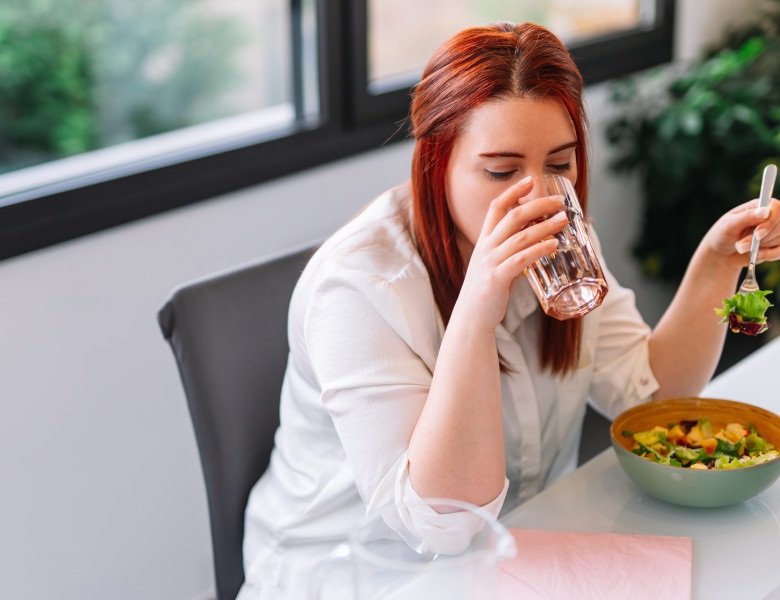
Water consumption is essential for health, but the timing of when we drink water can influence the digestive process. Many nutritionists and doctors have analyzed whether it is good or not to drink water during meals. There are differing opinions, but more and more studies show that large amounts of liquids ingested with food can affect digestion and cause gastric discomfort.
What Happens in the Body When You Drink Water During Meals
When we chew, saliva begins the digestion process through enzymes that break down carbohydrates. If we drink water immediately, saliva is diluted, and its efficiency decreases. Additionally, the stomach secretes gastric juices to digest food. Excessive liquid consumption during meals can dilute these juices, slowing down digestion.
Benefits and Risks Analyzed by Specialists
1. Slowing Down Digestion
Doctors explain that excessive liquids reduce the concentration of enzymes and gastric acid. This causes food to remain in the stomach longer, which can lead to bloating and a feeling of heaviness.
2. Increased Risk of Gastric Reflux
When the stomach is full of both food and liquids, internal pressure increases. This can promote gastroesophageal reflux, a condition commonly encountered in people who drink a lot of water or juices during meals.
3. Stomach Distension
If liquids are consumed in large quantities, the stomach expands, and the feeling of fullness occurs too quickly. This phenomenon can trick the body, but digestion becomes more difficult, and abdominal discomfort may arise.
4. Interference with Nutrient Absorption
Some studies show that liquids ingested immediately after food can slow the absorption of certain vitamins and minerals, especially those that require an acidic environment in the stomach.
5. Possible Advantages of Proper Hydration
Some nutritionists mention that small sips of water can help moisten dry foods and prevent constipation. The problem arises only when the quantity is too large.
Studies and Research
A study published in the European Journal of Clinical Nutrition analyzed the impact of water consumption on digestion. Researchers observed that individuals who drank over 300 ml of water during meals reported feelings of bloating and slower digestion compared to those who only took a few sips.
Another research conducted by Harvard T.H. Chan School of Public Health showed that water does not completely destroy digestive enzymes but can modify gastric emptying time. The conclusion was that moderation is key: small amounts of water do not harm, but excess slows down digestive processes.
Additionally, a report from the American Gastroenterological Association confirmed that gastroesophageal reflux is more frequent in individuals who combine large amounts of liquids with food.
Contraindications
- Individuals with gastric reflux or gastritis should avoid drinking water during meals.
- Patients with slow digestion or bloating issues may experience more discomfort if they drink excessive liquids during meals.
- Children and the elderly should be educated to hydrate before and after meals, not during them.
Conclusion
Water is vital, but the timing of its consumption matters. For proper digestion, it is recommended to drink water 30 minutes before meals and 1-2 hours after, not during meals. Small quantities, such as a few sips, are acceptable, but excess can lead to digestive problems.




