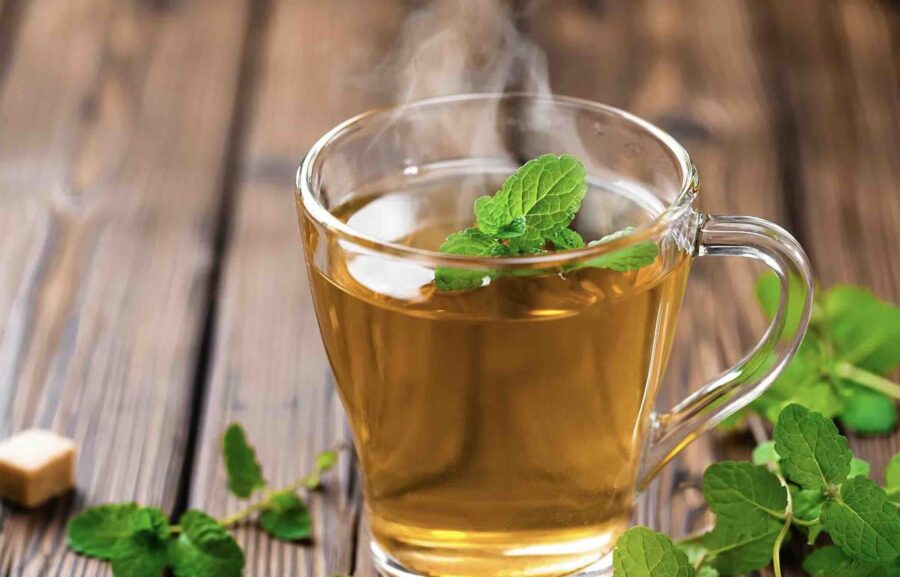
Peppermint tea is known for its refreshing taste and calming effect on the digestive system. It is often used to relieve bloating, nausea, or stomach pain. However, it is not a universal remedy suitable for everyone. In certain conditions, consuming peppermint tea can worsen symptoms or even cause complications.
1. Gastroesophageal Reflux Disease (GERD)
Peppermint relaxes smooth muscles, including the lower esophageal sphincter, the muscle that prevents gastric contents from returning to the esophagus. In individuals with acid reflux, this effect can exacerbate symptoms.
Studies have shown that the volatile oils in peppermint (especially menthol) can decrease the pressure of the lower esophageal sphincter, thereby facilitating acid reflux. This can lead to increased heartburn, nocturnal cough, and retrosternal pain.
A study published in the Journal of Gastroenterology indicated that patients with GERD who frequently consumed peppermint experienced more intense symptoms than those who avoided it.
2. Hiatal Hernia
This condition involves the displacement of a portion of the stomach upward into the thoracic cavity through the diaphragm. Similar to reflux, in this case, peppermint tea can worsen discomfort.
Consuming peppermint relaxes the lower esophageal sphincter, facilitating the ascent of gastric acid and aggravating symptoms.
Doctors recommend avoiding foods and herbs that relax digestive muscles in patients with hiatal hernia, and peppermint is among them.
3. Biliary Colic (Gallstones)
Peppermint stimulates bile secretion, which can be beneficial in some cases but dangerous if gallstones are present.
This stimulation can lead to painful contractions of the gallbladder, causing biliary colic or blockages.
Individuals diagnosed with gallstones should avoid consuming choleretic herbs (which stimulate bile secretion) without medical advice.
4. Gastric or Duodenal Ulcer
Although peppermint is believed to soothe stomach pain, it can actually irritate the gastric mucosa in individuals with ulcers.
The essential oils in peppermint can increase gastric acid secretion and exacerbate existing irritation of the stomach or duodenal walls.
Moreover, frequently consuming warm peppermint tea can lead to painful episodes during digestion.
5. Allergy to Menthol or Digestive Sensitivity
Some individuals may have an adverse reaction to menthol, the main active compound in peppermint.
Symptoms include abdominal pain, nausea, pronounced bloating, throat irritation, or hives.
In cases of digestive sensitivities (such as irritable bowel syndrome), peppermint can have contradictory effects: it may soothe in some cases but stimulate excessive intestinal contractions in others.
6. Children Under 5 Years
Young children’s bodies are more sensitive to the volatile oils in plants.
Peppermint can cause allergic reactions, respiratory difficulties, or gastrointestinal irritation in children under 5 years old.
The American Academy of Pediatrics recommends avoiding herbal teas, including peppermint, in very young children.
Although peppermint tea is often considered harmless, it can become problematic under certain health conditions. Consult a doctor or herbalist before consuming peppermint if you suffer from acid reflux, ulcers, biliary colic, hiatal hernia, or other digestive issues.
General Contraindications of Peppermint Tea
- Gastroesophageal reflux disease (GERD)
- Hiatal hernia
- Biliary colic
- Gastric/duodenal ulcer
- Pregnancy (with caution)
- Lactation (possible effect on milk production)
- Children under 5 years
- Allergy to menthol




