If you desire to maintain youthful skin and are willing to spend time and money to delay the signs of premature aging, you may find it challenging to identify which products will actually slow down the effects of time on your skin, as there are so many options available. Joshua Zeichner, a dermatologist and director of cosmetic and clinical research in the dermatology department at Mount Sinai Hospital in New York, explains that while some ingredients, such as retinol and sunscreen, have proven benefits, they are not the only ones to consider when building a healthy skincare routine.
Dr. Zeichner and other dermatologists recommend the following ingredients to help your skin look firm, smooth, and radiant for many years:
B Vitamins for Healthy Skin, Hair, and Nails
These essential vitamins come in multiple forms and complexes in skincare products. However, the function of all B vitamin derivatives is the same: converting food into energy. This fuels the vital processes of the body, including those responsible for healthy, firm skin. B vitamins and all their derivatives are essential for healthy skin, hair, and nails, says Joel Schlessinger, MD, a board-certified dermatologist from Omaha, Nebraska.
B vitamins can be particularly powerful when used topically in moisturizers, Dr. Schlessinger notes. When these vitamins are among the ingredients in skincare, damaged cells will heal and regenerate more quickly.
Coenzyme Q10 for Collagen Protection
Coenzyme Q10 (vitamin Q) is a powerful antioxidant that can help build the foundation for younger-looking skin. Coenzyme Q10 helps protect the elastic tissue and collagen that shape the skin, explains Jessica Wu, MD, clinical assistant professor of dermatology at the University of Southern California in Los Angeles.
As we age, our natural levels of coenzyme Q10 decrease, according to the Linus Pauling Institute at Oregon State University, which can slow the skin’s ability to rejuvenate and protect itself from damage. To build coenzyme levels, many consider taking a dietary supplement alongside using topical creams for optimal results. A randomized, placebo-controlled, double-blind study found that daily supplementation with a specific CoQ10 supplement (funded by the supplement manufacturer) for 12 weeks improved the appearance of wrinkles and led to smoother skin, according to research. Previous studies in November 2015 concluded that topical application of CoQ10 effectively reduced free radicals on the skin, which cause aging.
Copper to Prevent Sagging and Fill in Wrinkles
You might imagine coins, but the copper we are talking about is found in small amounts in skin cells, where it binds proteins together, notes a paper published in August 2014 in Current Chemical Biology, USA. Essential for collagen formation, this anti-aging ingredient helps support the skin to prevent sagging and fill in wrinkles. Clinical studies have shown that copper contributes to the healing and renewal of fractured collagen, making it an excellent ingredient for those looking to improve the appearance of sun-damaged skin and scars. Specifically, sleeping on copper-infused pillowcases for about one to two months has helped reduce the depth of lines compared to control groups, notes a previous review. Copper is non-irritating, explains Dr. Wu, making it a good alternative for those with sensitive skin who may not tolerate retinoids.
Green Tea to Revitalize Your Skin
You might sip a warm cup of green tea to relax, but the ancient plant from which the tea is made is full of nutrients that recharge your skin. Specifically, these would be phytochemicals called polyphenols, suggests a review from February 2019 in the journal Nutrients. The stimulating qualities of green tea may also have an energizing effect on skin aging. Green tea has a wonderful effect on dark circles, which is particularly striking when combined with caffeine in eye cream, says Schlessinger. These polyphenols are antioxidants that prevent and repair damage caused by oxidation, which breaks down skin cells, notes a prior analysis. Along with using creams or serums containing green tea, sipping the brew for additional health benefits is recommended, according to the previously mentioned Nutrients review.
Peptides to Stimulate Collagen Production
Due to promising results from clinical research, such as a study published in December 2018 in the International Journal of Peptide Research and Therapeutics, peptides are becoming increasingly popular as anti-aging ingredients in skincare. Peptides are short chains of amino acids, the building blocks of proteins, notes the National Human Genome Research Institute in the USA. Most topical peptide creams are designed to stimulate collagen to improve the appearance of wrinkles, explains Zeichner. However, not all peptide creams are created equal, so he recommends looking for products that have undergone clinical testing.
Retinoids and Retinols to Accelerate Cell Renewal
Retinoids and retinols accelerate and stimulate cell turnover and collagen production for smoother, younger-looking skin, says Wu. In addition to wrinkles and fine lines, retinoids combat discoloration and lighten small spots and freckles, while also improving skin texture, notes a review from August 2019 in the Clinics in Plastic Surgery. No other topical ingredient, adds Wu, has been more tested and proven by the medical community as an antidote for signs of aging on the skin than retinoids. But don’t expect overnight results—it takes several weeks or even months for them to exert their wrinkle-fighting effects, so they must be used over long periods, says Zeichner. Additionally, retinoids and retinols can be drying, notes a study published in the journal Cosmetics in October 2020, and they may make you more sensitive to the sun, according to the American Academy of Dermatology (AAD). Apply them to the skin in moderation and counteract any product containing retinoids or retinol with daily sunscreen use.
Vitamin E to Reverse Damage and Rejuvenate Skin
Vitamin E is a powerhouse when it comes to protecting against skin damage that can lead to fine lines and wrinkles. Why? Vitamin E neutralizes free radicals that damage cells, which are triggered by environmental factors such as sun exposure, notes the Linus Pauling Institute. Vitamin E is an excellent antioxidant found in anti-aging creams and can also help heal wounds by strengthening the skin barrier, says Schlessinger. This is why pure vitamin E oil remains a popular (and inexpensive) solution for cracked cuticles and scars from injuries, burns, and surgeries. Topical application of vitamins C and E together provides the greatest benefits, as the two antioxidant vitamins work together to preserve and build collagen, notes a prior review in the Journal of the American Academy of Dermatology.
SPF to Prevent Skin Cancer (and Improve Appearance)
Not only does broad-spectrum sunscreen with an SPF of at least 30 help prevent skin cancer, but it has also been shown to improve the cosmetic appearance of the face, even when used alone, says Zeichner. In a study published in December 2016 in the journal Dermatologic Surgery, sunscreen applied alone to the face for a year led to improvements in cosmetic measures such as skin tone, texture, and wrinkles.
Vitamin C to Neutralize Damage and Brighten Dark Spots
Vitamin C is an antioxidant that neutralizes damage caused by free radicals and helps complement the effects of sunscreen, explains Zeichner. In the morning, my patients apply a layer of vitamin C under sunscreen, he says. He adds that vitamin C interferes with the abnormal production of pigments, helping to brighten dark spots. Furthermore, products packaged with C preserve collagen fibers and prevent damage to the skin’s supporting structures, reveals a review published in the Journal of Clinical and Aesthetic Dermatology in July 2017. One thing to keep in mind when purchasing a topical vitamin C product, the study authors note, is that it is an unstable ingredient that will lose its potency quickly if not formulated correctly. If exposed to high temperatures, it can oxidize, making it ineffective, according to a skincare company. If you ever bought a vitamin C serum that turned amber, that’s exactly what happened. Make sure to purchase a vitamin C product from a company that conducts clinical testing on its products and ensure you store the product in a temperature-controlled area. Some people like to buy mini-fridges to keep their skincare products like these.
Along with applying a vitamin C serum, try to consume foods rich in vitamin C (such as citrus fruits and bell peppers), as dietary vitamin C also helps the body create new collagen, notes the National Institutes of Health.
Hydroxy Acids to Exfoliate Dead Cells and Combat Wrinkles
Hydroxy acids like glycolic acid help exfoliate dead skin cells from the surface of the skin, according to the AAD. They have also been shown to stimulate collagen and improve the appearance of lines and wrinkles, explains Zeichner. Hydroxy acids have varying strengths and can be found in exfoliants, serums, and creams, so it’s important to consult a dermatologist to find out which is best for you.
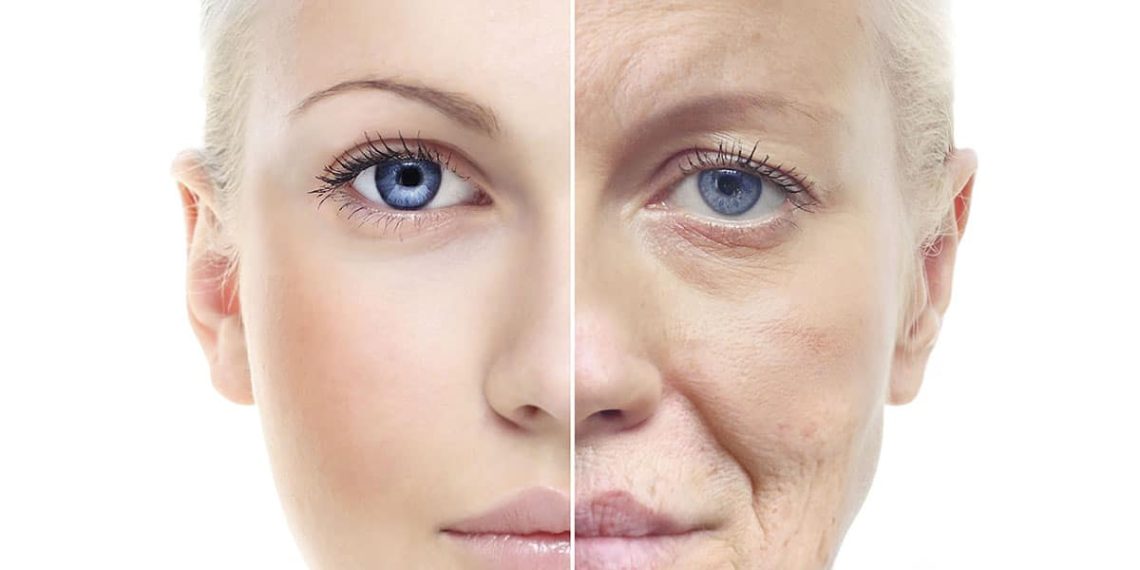
10 Ingredients That Can Help Combat Signs of Premature Skin Aging
8