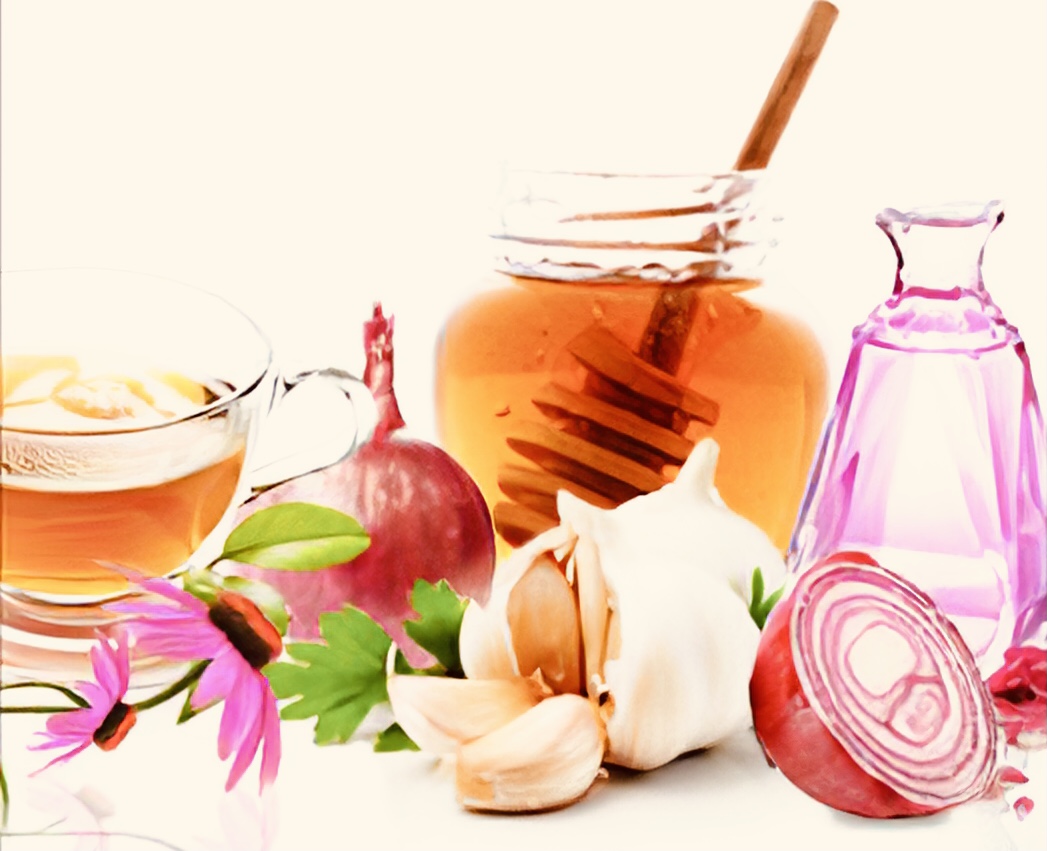
Why should we turn to plants with antibiotic effects when needed?
Antibiotic Resistance:
Excessive and inappropriate use of synthetic antibiotics has led to the development of bacterial resistance. Bacteria can become resistant to the action of antibiotics, making treatment more difficult. Plants with antibiotic effects can represent a natural alternative, especially in the case of mild infections or as a complementary treatment.
Safety and Reduced Side Effects:
Medicinal plants have been used for centuries in traditional medicine and have a better safety profile compared to medications. Generally, plants with antibiotic effects have fewer side effects and can be better tolerated by the body.
Diversity of Active Compounds:
Plants contain a variety of bioactive compounds, such as polyphenols, flavonoids, volatile oils, and alkaloids, which have different antimicrobial effects. This diversity of compounds can help combat infections from multiple angles and reduce the risk of developing bacterial resistance.
Supporting the Immune System:
Many plants with antibiotic effects also have the ability to stimulate the immune system. A strong immune system can contribute to fighting infections and speeding up the healing process.
Natural and Accessible Options:
Plants with antibiotic effects are usually readily available and can be more accessible and convenient than medications. Sometimes, they can even be found in one’s own garden or in health food stores.
It is important to remember that, although plants with antibiotic effects can be useful in treating mild infections or as an adjunct in the treatment of more severe infections, it is always recommended to consult a medical specialist before use, especially in the case of severe or persistent infections.
There are several plants that have antibiotic effects and can be used to treat infections. Here are some examples and how they can be used:
1. Nettle (Urtica dioica):
Nettle is a plant known for its antimicrobial properties. It is used in traditional medicine for treating urinary infections and skin infections. Its leaves and roots can be used in the form of tea or infusion.
Usage:
The leaves and roots of the plant can be used to prepare a tea. Add about 2 tablespoons of dried leaves or roots to a cup of hot water and let the mixture infuse for 10-15 minutes. After that, you can drink nettle tea 2-3 times a day.
Indications:
Urinary infections, skin infections.
2. Echinacea (Echinacea purpurea):
Echinacea is recognized for its ability to stimulate the immune system and combat upper respiratory infections. It is often used to treat colds and flu. Extracts and tinctures of echinacea are the most common forms of administration.
Usage:
You can use echinacea extract or tincture, which are available in most health food stores. Dosages and administration instructions may vary depending on the specific product. It is usually recommended to take echinacea before the onset of cold or flu symptoms.
Indications:
Upper respiratory infections, such as colds and flu.
3. Garlic (Allium sativum):
Garlic contains sulfur compounds that have strong antimicrobial effects. This plant has been used for centuries to treat respiratory infections, urinary tract infections, and other infections. It can be consumed in food or in the form of capsules and extracts or as tea.
Usage:
You can add garlic to various culinary preparations or consume it in the form of capsules, tea, or extracts. It is recommended to take 2-4 cloves of garlic per day to benefit from its antibiotic properties.
Indications:
Respiratory infections, urinary tract infections.
4. Propolis:
Propolis is a substance produced by bees to protect the hive against infections. This substance has antibacterial, antiviral, and antifungal properties. Propolis is used to treat throat infections and wounds, and is available in the form of tinctures or creams.
Usage:
Propolis can be purchased as is, in tincture or cream form. For internal use, a few drops of propolis tincture can be added to a cup of warm water and the mixture can be consumed 2-3 times a day. For external use, you can apply propolis cream directly to the affected area.
Indications:
Throat infections, infected wounds.
5. Yarrow (Achillea millefolium):
Yarrow has antiseptic and anti-inflammatory properties. It is used in traditional medicine for treating skin infections and wounds. It can be consumed as tea or applied topically.
Usage:
You can prepare a tea from the leaves and flowers of yarrow. Add a tablespoon of dried plant to a cup of hot water and let the mixture infuse for 10-15 minutes. Drink yarrow tea 2-3 times a day.
Indications:
Skin infections, wounds.
6. Rosehip (Rosa canina):
Rosehip is a plant rich in vitamin C and contains compounds with antibiotic properties. It is used to treat respiratory infections and urinary infections. Tea made from rosehip fruits is a common way to benefit from its medicinal properties.
Usage:
You can prepare a tea from rosehip fruits. Add 1-2 tablespoons of dried and crushed fruits to a cup of hot water and let the mixture infuse for 10-15 minutes. Drink rosehip tea 2-3 times a day.
Indications:
Respiratory infections, urinary infections.
7. St. John’s Wort (Hypericum perforatum):
St. John’s Wort is a plant known for its antiseptic and anti-inflammatory effects. It is used in the treatment of wounds, burns, and skin infections. Tea or oil from St. John’s Wort are the most common forms of administration.
Usage:
You can prepare a tea from the leaves and flowers of St. John’s Wort. Add a tablespoon of dried plant to a cup of hot water and let the mixture infuse for 10-15 minutes. Drink St. John’s Wort tea 2-3 times a day.
Indications:
Infected wounds, urinary tract infections.
8. Basil (Ocimum basilicum):
Basil is an aromatic plant with antimicrobial properties. It has active compounds, such as volatile oils, that have antibacterial and antiviral effects. It is used in treating respiratory and digestive infections. Fresh or dried basil leaves can be added to culinary preparations or used to prepare tea.
Usage:
You can use fresh basil leaves in culinary preparations or prepare tea from dried leaves. Add a tablespoon of dried leaves to a cup of hot water and let the mixture infuse for 10-15 minutes. Drink basil tea 2-3 times a day.
Indications:
Respiratory infections, digestive infections.
9. Wormwood (Artemisia absinthium):
Wormwood is a plant with antiparasitic and antibacterial effects. It is used to treat digestive infections, intestinal parasites, and other infections. Tea made from dried wormwood leaves is used to benefit from its medicinal properties.
Usage:
You can prepare a tea from dried wormwood leaves. Add a tablespoon of dried leaves to a cup of hot water and let the mixture infuse for 10-15 minutes. Drink wormwood tea 2-3 times a day.
Indications:
Digestive infections, intestinal parasites.
10. Sage (Salvia officinalis):
Sage is a plant with antimicrobial and anti-inflammatory properties. It is especially used for treating throat infections and respiratory infections. Tea made from dried sage leaves is used for gargling or as an adjunct treatment for throat infections.
Usage:
You can prepare a tea from dried sage leaves. Add a tablespoon of dried leaves to a cup of hot water and let the mixture infuse for 10-15 minutes. Drink sage tea 2-3 times a day.
Indications:
Mouth and throat infections, respiratory infections.
It is always important to consult a medical specialist before using medicinal plants, especially if you have pre-existing medical conditions or are taking other medications.