Skin pigmentation disorders affect the level of melanin (natural pigment) in the skin and the natural color of the skin. Any change in skin pigmentation can lighten or darken the skin color. Melasma, freckles, vitiligo, and pigmented birthmarks are a few examples of pigmentation issues.
Hyperpigmentation is primarily caused by sun damage and the side effects of certain medications. If you have developed hyperpigmentation due to improper skin care and sun exposure, you can try some home remedies to lighten these skin pigmentation issues. While they may not be as effective as medical treatments, you might see gradual results.
Types of Skin Pigmentation
Age spots: These are the most common type of skin pigmentation and form due to sun damage. They are found in areas frequently exposed to the sun.
Melasma or chloasma: This is characterized by spots similar to age spots but covering a larger area of the skin. These spots mainly appear due to hormonal changes. For example, during pregnancy, hormones can trigger the overproduction of melanin and cause skin darkening.
Freckles: These are caused by sun exposure. They appear as small dots and spots on the face and shoulder areas.
Post-inflammatory hyperpigmentation: This is a condition where your skin develops marks or spots as a result of an injury, burns, acne, or aggressive chemical treatments. It is also referred to as hypopigmentation.
You may also encounter skin pigmentation disorders such as:
Vitiligo: This is an autoimmune condition, and the causes are still unknown. Melanocytes (melanin-producing cells) stop functioning, causing light spots on the skin. This condition can affect any or all parts of your body.
Albinism: This is a genetic disorder. People with albinism do not produce enough melanin, resulting in little or no pigment in their bodies.
Home Remedies for Skin Pigmentation
1. Apple Cider Vinegar
Apple cider vinegar contains polyphenolic compounds that offer various health benefits. These compounds may be beneficial for the skin. Anecdotal evidence suggests that apple cider vinegar may help manage pigmentation and other skin issues. However, there is no scientific evidence to demonstrate these effects.
How to use:
Mix one tablespoon of apple cider vinegar with water in a container (take equal parts of both, depending on the treatment area). Soak a cotton ball in the mixture and apply it to the affected area. Leave it on for 3 minutes or until it dries completely. Rinse with warm water. Repeat twice a day.
2. Aloe Vera
Aloe vera contains an active ingredient called aloin, which has skin-lightening properties.
How to use:
Mix 2 tablespoons of fresh aloe vera gel and 1 tablespoon of honey in a bowl. Let the mixture sit for 5-10 minutes. Apply it to the affected area and let it dry. Rinse with warm water.
3. Green Tea
Tyrosinase is an enzyme found in your body that is responsible for pigmentation. It has been found that green tea extracts inhibit fungal tyrosinase (in vitro), which may have a depigmenting effect. However, more studies are needed to establish its effectiveness.
How to use:
Soak a green tea bag in a cup of hot water and wait for it to cool. Rub the tea bag on the affected area. Repeat this treatment twice a day.
4. Lemon
Lemon is considered one of the effective home remedies for skin pigmentation. Lemon is a powerful bleaching agent and has skin-lightening properties. It is used in many skin-lightening remedies. However, lemon juice can irritate sensitive skin, so do a patch test on your arm before using it. Also, make sure to apply sunscreen after using this remedy, as lemon juice can make your skin photosensitive.
How to use:
Mix one tablespoon of diluted lemon juice with one tablespoon of organic honey. Apply the mixture to the affected area and wait 15 minutes before rinsing with warm water.
5. Red Onion
Red onion is often used in creams for lightening scars.
How to use:
Rub a slice of red onion on the affected area. Leave it on for 10 minutes and then rinse. Repeat the treatment twice a day.
6. Licorice Extract
Licorice contains glabridin, a polyphenolic flavonoid that helps prevent UV-induced pigmentation and has anti-inflammatory effects. However, more studies are needed to establish its depigmenting properties.
How to use:
Boil 4-5 licorice roots in water. Let the liquid cool and strain it into a spray bottle. Apply it twice a day.
Note: Store the licorice extract in the refrigerator and use it within 8-10 days.
7. Milk
Milk contains lactic acid, which is used in chemical peels to lighten and whiten the skin. It has also been found that lactic acid could be used to treat melasma.
How to use:
Apply fresh milk with a cotton ball to the affected area and let it dry. Rinse with warm water. Do this twice a day.
8. Tomato
Tomato contains lycopene, which can reduce the long-term effects of photodamage. Since spots and pigmentation are long-term consequences of photodamage, tomatoes may help diminish them.
How to use:
Slice a tomato and rub it on the problem area. Let it dry. Rinse with warm water. Follow this remedy twice a day.
9. Black Tea
It is said that black tea extract has a skin-whitening effect. A study found that when applied to pigmented spots, black tea inhibited the development of melanocytes and reduced hyperpigmentation.
How to use:
Boil one tablespoon of tea leaves in water. Let the water cool and strain it into a bowl. Apply to the affected area with cotton balls. Repeat twice a day.
10. Orange Peel
Orange peel extracts can reduce melanin deposits, lighten dark spots, and brighten the skin. The study was conducted on humans, and none of the subjects developed skin irritations.
How to use:
Dry and grind the orange peels. Mix the powder with one tablespoon of diluted lemon juice and honey and apply it as a face mask. Do this three times a week.
11. Potatoes
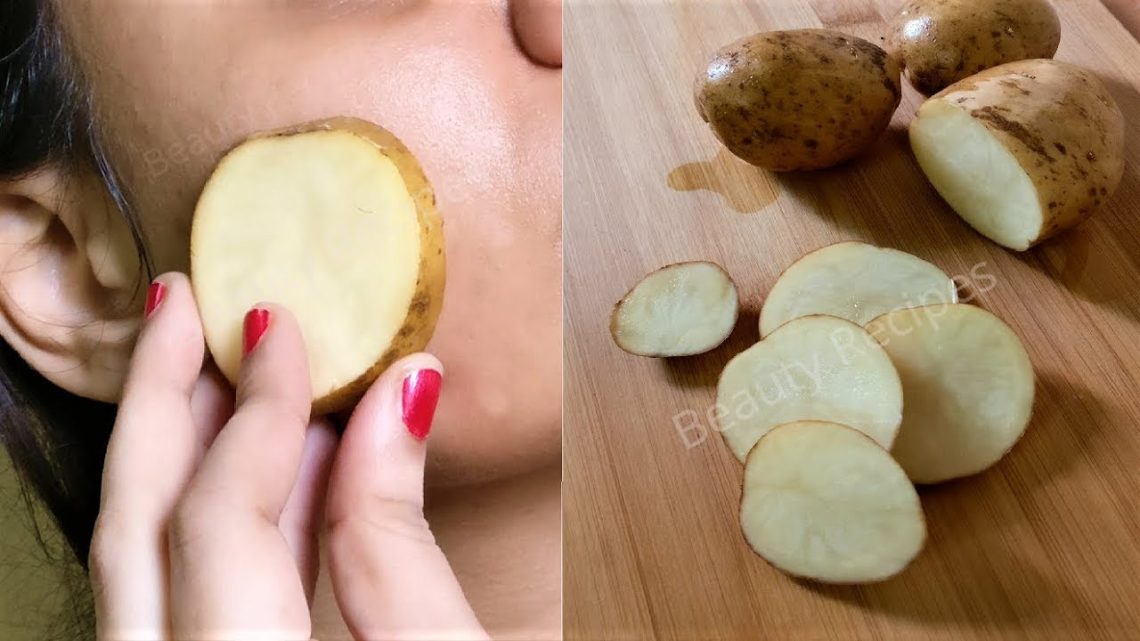
Potatoes contain azelaic acid, which can help reduce spots and hyperpigmentation caused by acne and rashes.
How to use:
Slice a potato and rub it on the problem area. Rinse after it dries. Repeat the process daily.