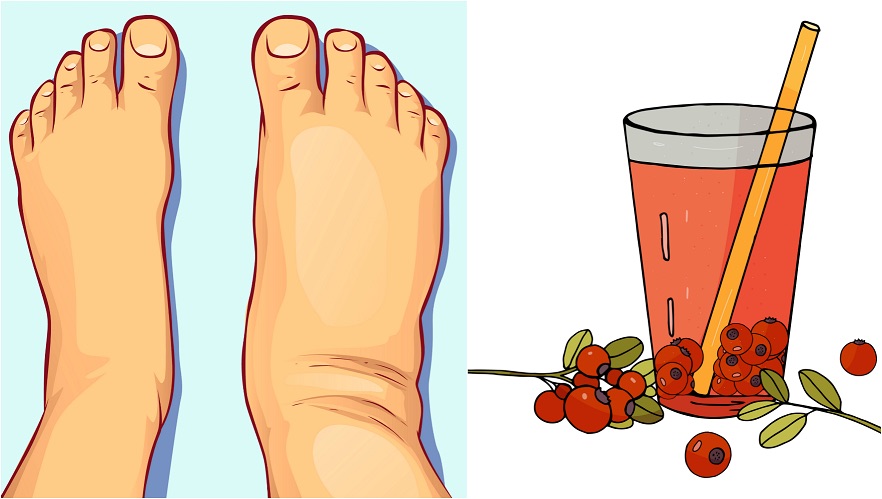
Whether you want to eliminate water retention or keep kidney stones at bay, incorporating some natural diuretics into your diet may be just what you need. These healthy foods boast a long list of benefits, from lowering blood pressure to reducing bloating, and can help avoid many unpleasant symptoms often associated with over-the-counter medications.
What are natural diuretics, what do they do, and why should you consider adding them to your daily routine?
What is a diuretic?
Diuretics are a class of medications that promote diuresis or increased urine production. These medications are used to eliminate excess water from the body and to treat conditions such as heart failure, liver diseases, and high blood pressure.
Although often necessary in the treatment of various health issues, diuretics can be accompanied by a range of side effects, such as elevated blood sugar, headaches, and dizziness, leading many people to turn to natural diuretics as an alternative treatment method.
What is a natural diuretic? These herbs, supplements, and foods can mimic the effects of diuretics to increase urine volume and eliminate excess fluids. Additionally, in addition to preventing fluid retention, many also offer a range of health benefits, including a variety of vitamins, minerals, and antioxidants to optimize other aspects of health.
19 Natural Diuretics
1. Green Tea
High blood pressure is a condition caused when blood pushes against the walls of the arteries with too much force, putting extra pressure on the heart muscle and causing it to weaken over time. Diuretics are one of the first lines of defense used against high blood pressure and can help excrete excess sodium through urine to lower blood pressure.
Using natural diuretics for high blood pressure can be an effective treatment option. In fact, several natural diuretics have been linked to lower blood pressure levels. A massive analysis of 13 studies found that green tea could lower both systolic and diastolic blood pressure.
Polycystic ovary syndrome (PCOS) is a disorder caused when women produce high levels of male hormones, leading to symptoms such as irregular menstruation, weight gain, depression, and acne. Diuretic pills are often used as a conventional treatment for PCOS, working by eliminating excess water and androgen hormones from the body to reduce symptoms.
In addition to promoting adequate hydration and increasing the body’s ability to efficiently eliminate hormones and excess fluids, some natural diuretics also boast anti-androgenic effects. Green tea, for example, is rich in epigallocatechin gallate, which can help block the conversion of certain sex hormones to reduce the risk of developing PCOS symptoms.
2. Black Tea
A randomized controlled study found that black tea offers hydration properties similar to water. Thus, part of the many benefits of black tea includes its role as a natural diuretic.
3. Parsley
Research published in the Journal of Ethnopharmacology examined the diuretic effects of parsley. Researchers found that parsley extract significantly increased urine output, confirming the diuretic effect of the plant.
4. Dandelion
Similar to edema, ascites is the accumulation of fluid in the peritoneal cavity, which is the layer of tissue that lines the abdomen and helps protect the body’s internal organs. This condition is usually caused by liver disease or cirrhosis.
Diuretics are typically used to help manage and treat this condition by flushing out excess fluid from the abdomen.
When used alongside prescribed treatment, incorporating some natural diuretics into your routine can be beneficial. Additionally, dandelion has liver-protective properties.
Research conducted on certain individuals has found that the antioxidant and anti-inflammatory properties of dandelion leaf extract can help protect against liver damage.
5. Hibiscus
An analysis found that several diuretic herbs have strong blood pressure-lowering properties, including hibiscus and ginger.
6. Milk Thistle
Research published in the International Journal of Clinical and Experimental Medicine conducted on rats showed that milk thistle leaves can help alleviate non-alcoholic fatty liver disease due to its flavonoids.
7. Horsetail
Horsetail possesses diuretic and antispasmodic activities and has been used in traditional medicine for centuries for edema, bladder, and kidney conditions, as well as to promote the healing of wounds and burns.
8. Juniper Berries
Juniper berries have been used as a natural diuretic for hundreds of years, and research supports this, demonstrating their renal effects and ability to flush out fluids.
9. Celery
A hydrating food, celery, especially celery root, is a well-known natural diuretic that can help with various issues, from blood pressure to liver health, digestion, and more.
10. Lemon
If you’ve ever had a kidney stone, you’re probably all too familiar with how painful it can be. Kidney stones are hard mineral deposits that form in the kidneys, causing symptoms such as pain, nausea, vomiting, and blood in urine.
Increasing fluid intake is often recommended to flush the kidneys and help eliminate stones. Similarly, diuretics are sometimes used to help prevent the formation of kidney stones.
Certain natural diuretic foods can do double duty to help prevent kidney stones. Lemons, for example, can help promote hydration and provide a burst of citric acid, which increases urine volume to block the formation of kidney stones. A study conducted by Duke University Medical Center even found that treating patients with lemonade therapy for four years could reduce stone formation from an average of one kidney stone per year to 0.13 per year.
11. Bell Peppers
Low in calories, bell peppers are hydrating foods that have diuretic properties.
12. Garlic
Garlic has been shown to have diuretic effects, which is why it is partially effective in managing high blood pressure and supporting heart health. In fact, garlic has been valued since Hippocrates recommended it as a laxative and diuretic, and Aristophanes and Galen suggested garlic for the treatment of uterine tumors, according to research.
13. Onion
Studies show that onion acts as a natural diuretic and, as such, can help protect the heart, respiratory system, and more.
14. Watermelon
Fluid retention, also known as edema, is a common condition characterized by the accumulation of fluid in tissues, leading to symptoms such as swelling and bloating.
Watermelon is an excellent natural diuretic for edema due to its high water content. Consuming hydrating and natural diuretic foods, such as fruits and vegetables, can help eliminate excess water and prevent fluid accumulation in the body.
15. Cucumber
Cucumbers are one of the best detoxifying foods as they can help the body produce more urine to eliminate toxins and waste. As such, they help combat bloating and prevent water retention.
16. Grapes
Both in animal studies and in humans, grapes have shown diuretic abilities. Thus, the nutrition from grapes can help support longevity and combat diseases.
17. Ginger
Widely regarded as a natural diuretic, ginger supports health in many ways, from digestion to immunity, heart health, and more. You can consume the root or drink a cup of ginger tea to benefit from these effects.
18. Berries
Berries are among the best natural diuretics. This makes them extraordinary for regulating blood pressure and promoting overall health.
19. Asparagus
One of the benefits of natural diuretics is their ability to eliminate toxins. Research from Korea has found that asparagus extracts help protect liver cells from toxins.




