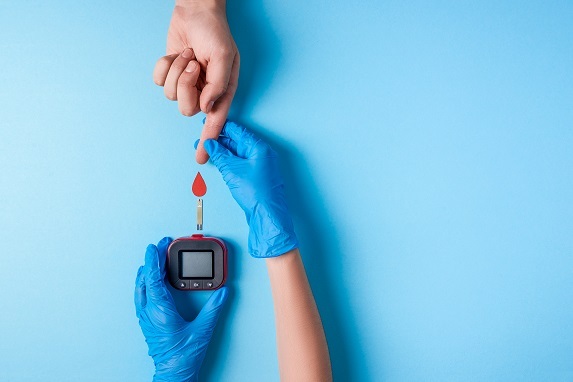
High blood sugar is a problem that affects more and more people, not just those with diabetes, but also those with predispositions or metabolic syndrome. Fortunately, nature offers us effective remedies. We present three easy-to-find plants that can help regulate blood sugar naturally, supported by clinical studies and medical recommendations.
1. Mulberry Leaf (Morus alba)
How it works:
Mulberry leaves contain compounds such as DNJ (1-deoxynojirimycin), which inhibit the enzymes responsible for breaking down carbohydrates, thus slowing the absorption of sugars into the bloodstream. This action has effects similar to some antidiabetic medications, but without severe side effects.
Study:
A study published in Journal of Ethnopharmacology (2012) showed that mulberry leaf extract significantly reduced postprandial blood sugar levels in patients with type 2 diabetes compared to a placebo group.
How to use:
- Infusion: 1 tablespoon of dried leaves in 250 ml of boiling water, twice a day.
- Powder: 1 g on an empty stomach in the morning.
Contraindications:
Not recommended in conjunction with oral antidiabetics or insulin, except under medical supervision, as it may cause hypoglycemia.
2. Bilberry Leaf (Vaccinium myrtillus)
How it works:
Bilberry leaves contain myrtillin, a natural compound with hypoglycemic effects, as well as tannins and flavonoids that contribute to regulating carbohydrate metabolism and protecting blood vessels affected by hyperglycemia.
Study:
In a study published in Evidence-Based Complementary and Alternative Medicine (2013), bilberry leaf demonstrated the ability to reduce blood sugar and improve insulin sensitivity in patients with prediabetes.
How to use:
- Tea: 1 tablespoon of dried leaves in 250 ml of water. Drink 2 cups a day, 30 minutes before meals.
Contraindications:
May interact with anticoagulants and is not recommended during pregnancy or breastfeeding without medical approval.
3. Fenugreek (Trigonella foenum-graecum)
How it works:
Fenugreek seeds are rich in soluble fiber and compounds such as 4-hydroxyisoleucine, which stimulate insulin secretion and decrease glucose absorption. It is one of the most studied plants for type 2 diabetes.
Study:
An analysis published in Journal of Diabetes and Metabolic Disorders (2015) confirmed the significant effect of fenugreek on lowering blood sugar in individuals with diabetes, through the administration of 10 g/day for 12 weeks.
How to use:
- Powder: 1 tablespoon in the morning, with water.
- Infusion: 1 tablespoon of ground seeds in 250 ml of water, steeped for 10 minutes.
Contraindications:
May cause digestive discomfort. Not recommended during pregnancy, as it stimulates the uterus. May potentiate the effects of antidiabetic medications.
Regulating blood sugar with the help of plants is possible and can be a natural complement to conventional treatment. However, it is essential to consult a doctor before introducing these remedies into your daily routine, especially if you are already taking medication.
Sources:
- Journal of Ethnopharmacology Inhibitory effect of Morus alba leaves on postprandial blood glucose
- Evidence-Based Complementary and Alternative Medicine Bilberry (Vaccinium myrtillus L.) leaf extract improves glucose metabolism
- Journal of Diabetes and Metabolic Disorders Effect of fenugreek seed on glycemic control in patients with diabetes mellitus




